
Why These Three Habits Matter More Than Any Quick Fix
Chronic stress is one of the most commonly reported health concerns in the United States, yet many popular "solutions" focus on temporary relief rather than long-term regulation. While there's nothing wrong with taking a break or enjoying a distraction, the evidence consistently points to three foundational lifestyle factors — physical movement, intentional breathing, and quality sleep — as the most accessible and durable tools for managing stress over time.
These aren't novel wellness trends. Each has decades of research behind it across fields including exercise physiology, behavioral psychology, and sleep science. What's often missing is a clear, practical explanation of how they work and how to actually start. That's what this guide aims to provide.
For a broader look at how lifestyle patterns relate to stress, the Lifestyle & Stress hub is a useful companion resource.
Physical Movement: Regulating Stress from the Inside Out
When stress hits, your body releases hormones like cortisol and adrenaline — a survival mechanism that served our ancestors well but can become harmful when chronically activated. Regular aerobic exercise is one of the most well-studied ways to moderate this response over time. Research across many decades consistently shows that moderate physical activity — such as brisk walking, cycling, or swimming — is associated with lower resting cortisol levels and improved mood.
You don't need intense workouts to see benefits. Even 20–30 minutes of moderate movement most days of the week appears to make a meaningful difference, according to general findings in exercise psychology. Movement also increases the availability of mood-regulating neurotransmitters like serotonin and dopamine, which helps explain the emotional lift many people report after exercise.
If you're new to regular movement, start smaller than you think you need to. A 10-minute walk after dinner is a real, evidence-supported entry point — and consistency matters far more than intensity when you're building a new habit.
Consistency matters far more than intensity when building a movement habit for stress relief.
Intentional Breathing: Your Fastest Stress-Relief Tool
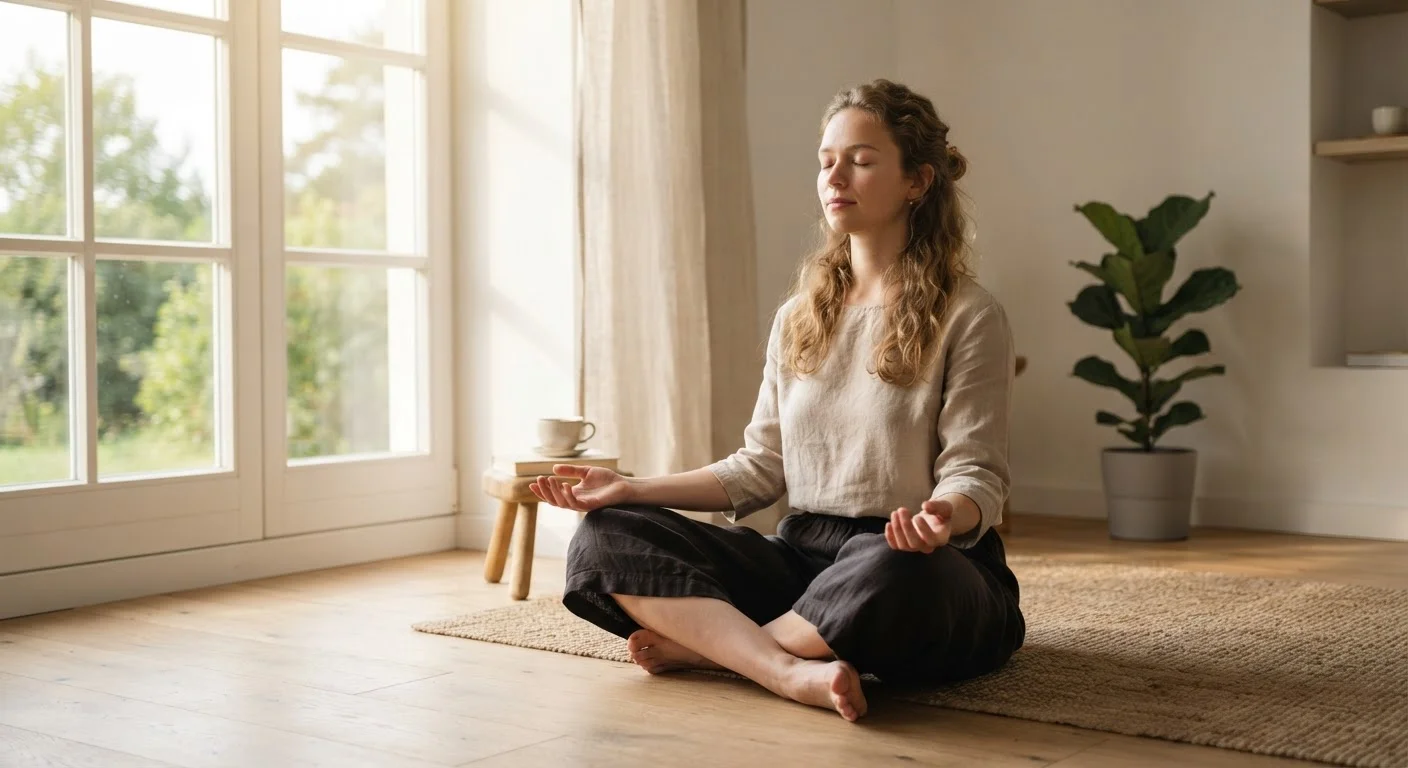
Breathing is unique among bodily functions: it operates automatically, yet you can consciously control it — and that control carries real physiological power. Slow, deliberate breathing activates the parasympathetic nervous system (sometimes called the "rest and digest" system), counteracting the fight-or-flight response that stress triggers.
Techniques like diaphragmatic breathing (breathing deeply into the belly rather than the chest) and the 4-7-8 method — inhaling for 4 counts, holding for 7, exhaling for 8 — have been explored in clinical settings as accessible tools for acute stress reduction. While results vary between individuals, many people report a noticeable shift in tension within just a few minutes of focused breathing practice.
Pairing breathwork with a mindfulness frame can amplify these effects. If you're curious about how mindfulness and breath intersect, our beginner's guide to mindfulness for stress walks through practical first steps without the jargon.
The advantage of breath-focused techniques is portability — they require no equipment, no dedicated space, and no special schedule.
Slow, deliberate breathing can activate your parasympathetic nervous system within minutes.
Quality Sleep: The Foundation Everything Else Rests On
Sleep is when the brain consolidates memory, regulates emotion, and essentially performs its nightly maintenance. Chronic sleep deprivation — even mild, ongoing shortfalls — is strongly associated with elevated stress reactivity, reduced emotional regulation, and a heightened perception of everyday problems as threatening.
The relationship runs in both directions: stress disrupts sleep, and poor sleep amplifies stress. Breaking this cycle often requires addressing sleep hygiene — the set of behavioral and environmental conditions that support consistent, restorative rest. Key evidence-supported practices include maintaining a regular sleep-wake schedule (even on weekends), keeping your bedroom cool and dark, limiting screen exposure in the hour before bed, and avoiding caffeine in the afternoon and evening.
Adults generally need between 7 and 9 hours of sleep per night, though individual variation exists. The emphasis should be on quality as well as quantity — waking rested is more meaningful than hitting an exact number. For a broader look at how sleep fits into a stress-resilient lifestyle alongside movement and nutrition, see our companion piece on building a stress-resilient lifestyle from the ground up.
Poor sleep amplifies stress reactivity — and better sleep hygiene can help interrupt that cycle.
How the Three Pillars Reinforce Each Other
Movement, breath, and sleep don't function in isolation — they form an integrated system. Regular physical activity is one of the most reliable ways to improve sleep quality; exercise helps consolidate circadian rhythms and deepens slow-wave sleep. Better sleep, in turn, makes it easier to find the motivation and energy for movement the next day.
Breathwork fits in as the bridge: practiced before bed, it can ease the transition into sleep by quieting an overactive mind. Used mid-day or during a stressful moment, it helps prevent stress from accumulating to the point where it disrupts the night ahead.
This interconnectedness means that improving even one pillar tends to create positive momentum across the others. If sleep feels like the hardest place to start, beginning with a short daily walk or a two-minute breathing exercise may indirectly begin improving your rest — demonstrating how small, consistent actions compound over time.
Improving even one pillar tends to create positive momentum across movement, breath, and sleep.
Starting Small: Making These Habits Stick
The research on behavior change is consistent: small, specific commitments are far more likely to become durable habits than ambitious overhauls. Rather than committing to a one-hour gym session, a 20-minute guided breathing practice, and a strict 10 p.m. bedtime all at once, choose a single entry point.
A practical approach is to attach a new habit to an existing anchor — for example, doing five deep breaths right after pouring your morning coffee, or going for a short walk immediately after lunch. This technique, often called "habit stacking" in behavioral science, reduces the friction of starting.
Track your progress simply — even just a checkmark in a notebook — and expect variability. Missing a day is not failure; returning the next day is what builds the habit. For a broader framework of lifestyle principles that support long-term stress management, our article on sustainable stress relief provides evidence-informed context for how these habits fit together over months, not just days.
Attaching a new habit to an existing daily anchor dramatically reduces the friction of starting.
Building Your Personal Stress-Management Foundation
Movement, breath, and sleep are not luxury self-care items — they are biological necessities with measurable effects on how the nervous system responds to stress. The good news is that you don't need to master all three at once, and meaningful progress doesn't require expensive equipment or hours of free time.
Start With Just One Pillar
Trying to overhaul movement, breathing, and sleep simultaneously can feel overwhelming and is often unsustainable. Pick the pillar that feels most manageable right now and spend two to three weeks building a single consistent habit before layering in a second. Progress compounds — patience is part of the strategy.
These Strategies Are General Information
The techniques described here are general health information based on broadly established research findings — they are not a substitute for personalized medical or mental health advice. If you experience severe, persistent stress, anxiety, or sleep difficulties, please consult a qualified healthcare professional. Individual needs and responses vary significantly.
If you want to explore how these pillars connect to broader mental resilience — including the role of social connection — our article on everyday mental resilience offers a complementary perspective. And for a quick-reference overview of how specific lifestyle factors like caffeine and diet also play a role, see our lifestyle factors and stress overview.
This article is for general informational and educational purposes only and does not constitute medical advice. Always consult a qualified healthcare professional for guidance specific to your circumstances.