Why Ordinary Habits Can Be Hidden Stress Drivers
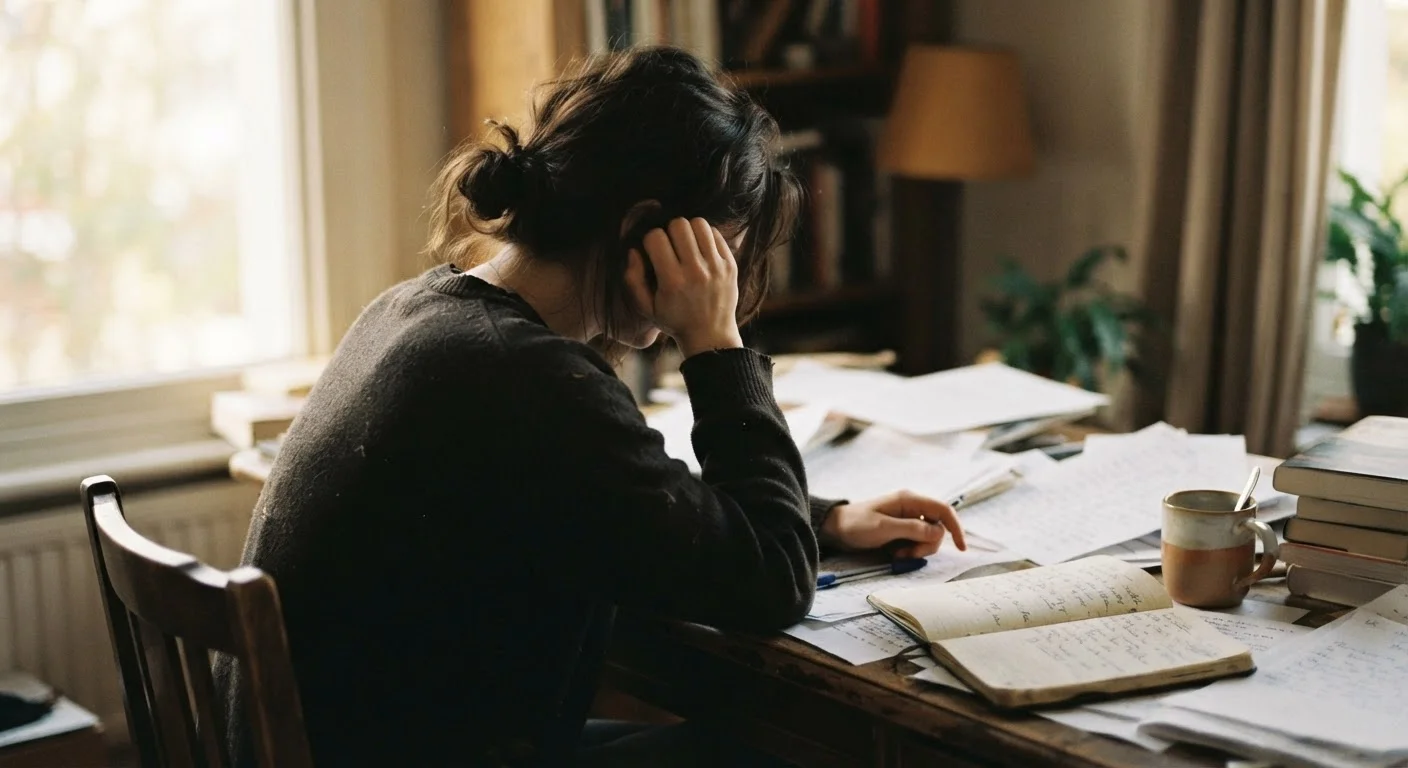
Stress doesn't always arrive with an obvious trigger. Sometimes it builds slowly, fed by routines so familiar they feel invisible. You might notice you're tense, irritable, or exhausted — yet nothing specific seems wrong. In many cases, the culprit is a cluster of everyday habits that quietly keep your body's stress-response system activated.
Research in behavioral health consistently shows that lifestyle patterns — how we sleep, eat, move, and use technology — have a measurable effect on cortisol levels and nervous system regulation. The challenge is that many stress-sustaining habits masquerade as normal or even responsible behavior. Understanding which ones to watch for is the first step toward genuine relief. If you're curious whether your tension has already moved beyond short-term pressure, see signs your stress has shifted from temporary to chronic.
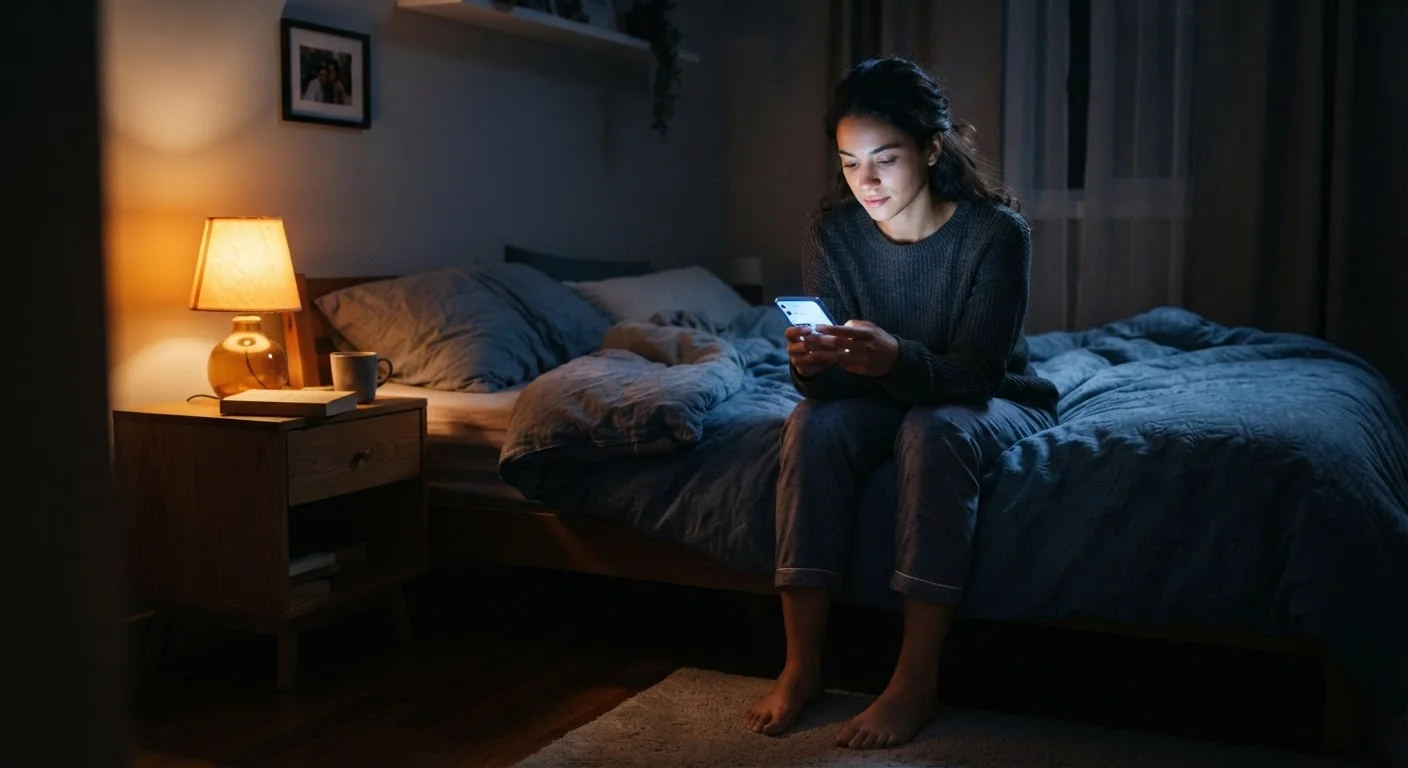
Scrolling through your phone within the first and last 30 minutes of the day.
Why it happens: Phones are designed to reward checking behavior, and morning and bedtime feel like natural downtime. Most people don't connect this habit to stress because it feels passive.
Skipping breakfast or eating irregularly throughout the day.
Why it happens: Busy schedules and the cultural glorification of productivity often push meals aside. Many people simply don't feel hungry in the morning — sometimes because chronic stress has already blunted their hunger cues.
Treating caffeine as a substitute for adequate sleep.
Why it happens: Coffee and energy drinks are socially normalized and genuinely help short-term alertness. When sleep is chronically short, caffeine feels like the only practical fix — creating a cycle that's hard to break.
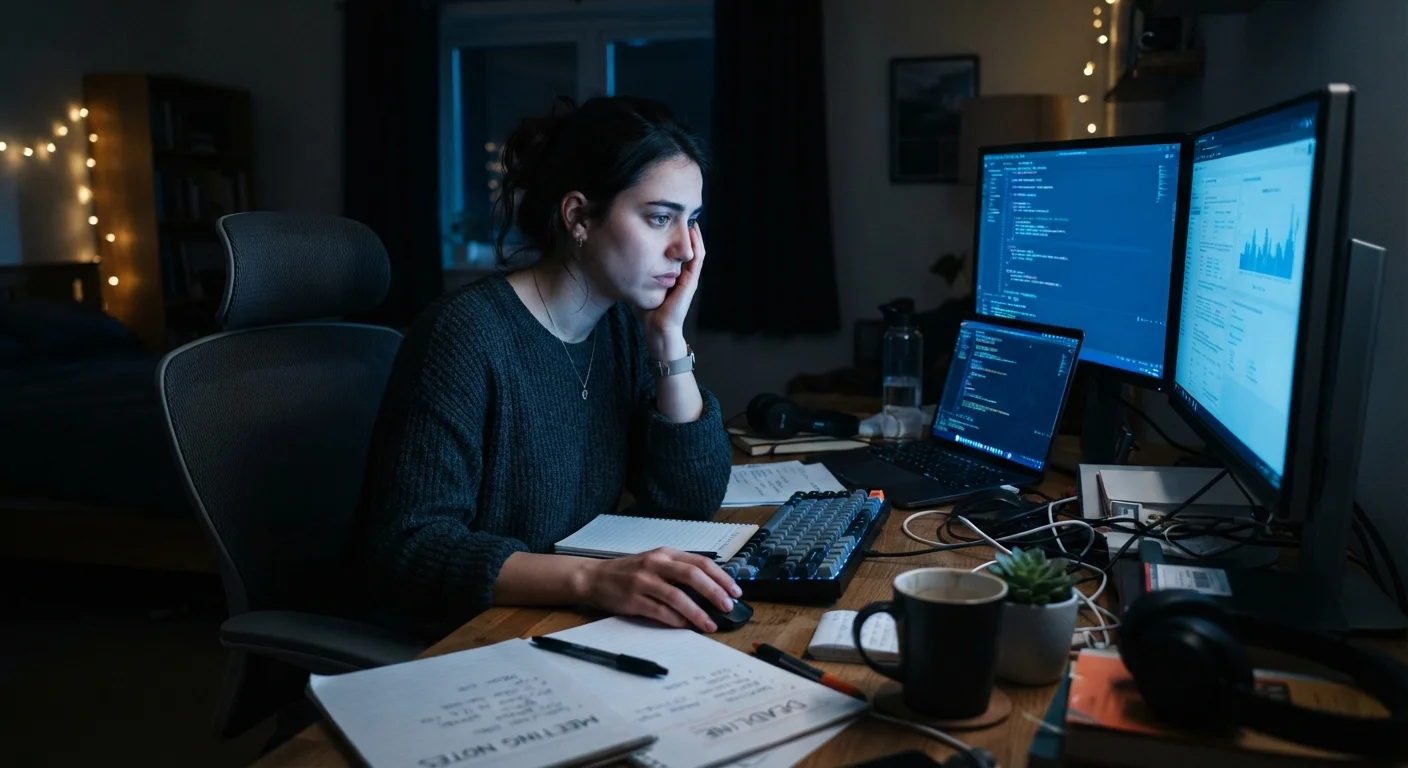
Keeping an always-on, perpetually available work mindset — even during personal time.
Why it happens: Remote work culture and always-connected technology make psychological detachment from work genuinely difficult. Many people feel guilty or anxious when they're not available, treating constant readiness as professionalism.
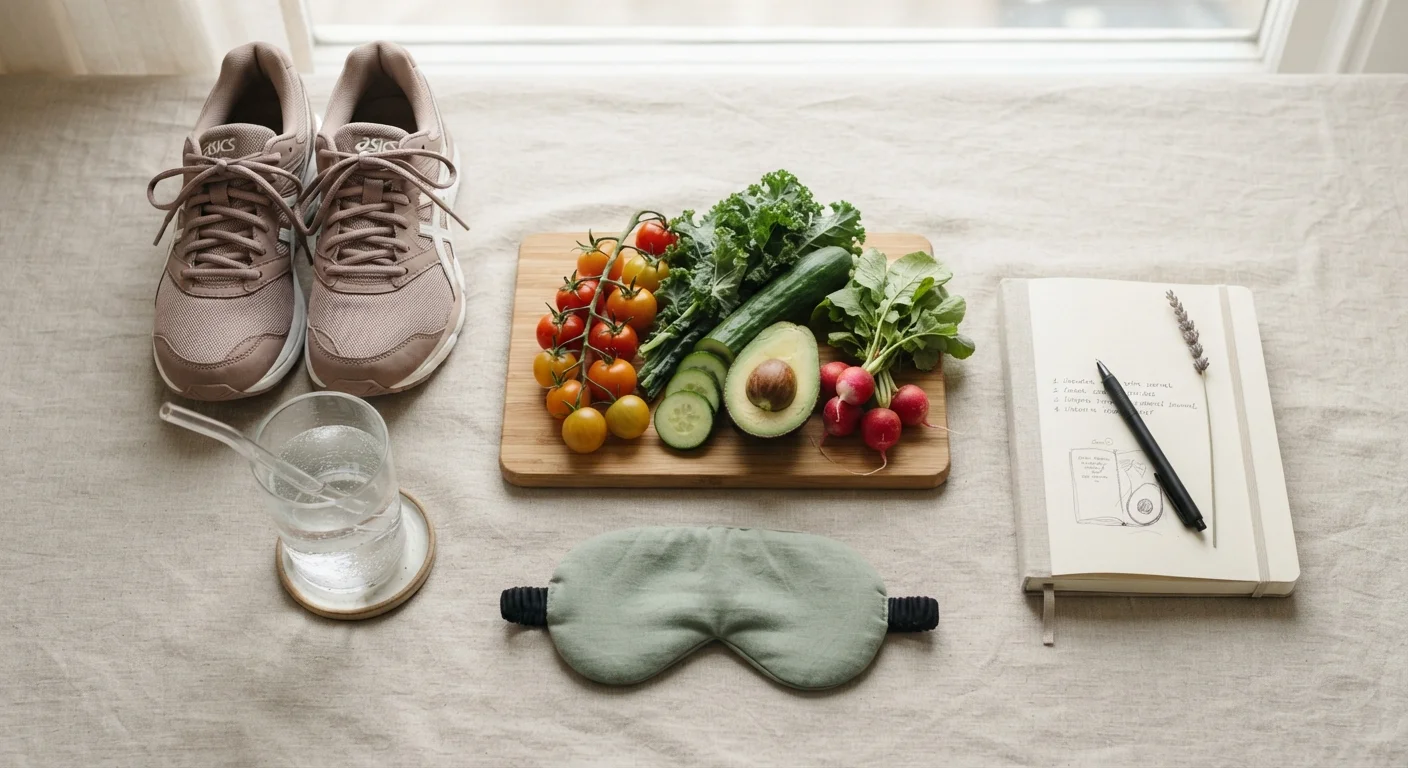
Neglecting physical movement, or conversely, using intense exercise as the only stress outlet.
Why it happens: Sedentary routines are easy to fall into, especially with desk-based work. Conversely, some people use high-intensity exercise to "burn off" stress without addressing its root patterns, which can sometimes add physiological load rather than reduce it.
The Habits Most Worth Examining
The patterns below are among the most commonly overlooked contributors to elevated stress. None of them signal a personal failing — they're largely products of modern life, cultural norms around productivity, and the addictive design of digital platforms. What matters is recognizing them so you can make informed choices.
~35%
Adults getting less than 7 hours sleep nightly
According to CDC surveillance data, roughly one in three U.S. adults regularly sleeps fewer than the recommended seven hours, a pattern closely linked to elevated stress hormones.
3–4×
Higher burnout risk with poor digital boundaries
Studies in occupational health research suggest workers who habitually check messages outside work hours report significantly higher stress and burnout rates than those who maintain clearer boundaries.
For a broader look at how sleep, diet, and activity intersect with your stress load, the lifestyle factors and stress quick-reference overview offers a helpful starting point. And if late-night screen use resonates with you, our companion piece on evening habits that quietly disrupt your sleep quality explores that cycle in more depth.
Chronic Stress Builds Gradually — and Quietly
One of the most important things to understand about lifestyle-driven stress is that its effects accumulate slowly. A single late night or skipped meal won't derail your wellbeing. But sustained patterns — repeated week after week — can shift your baseline stress level in ways that become harder to reverse. Subtle signs of stress that are easy to dismiss can be early indicators worth taking seriously before they compound further.
It's also worth remembering that some habits feel like stress relief but can actually reinforce anxiety over time. Our article on stress habits that feel helpful but aren't covers these patterns clearly. On the positive side, stress relief habits highlights everyday practices genuinely shown to lower stress and restore balance.
This article is for general informational purposes only and is not a substitute for professional medical or mental health advice. If you are concerned about your stress levels or overall wellbeing, please consult a qualified healthcare professional.