
Why Some Coping Habits Work Against You
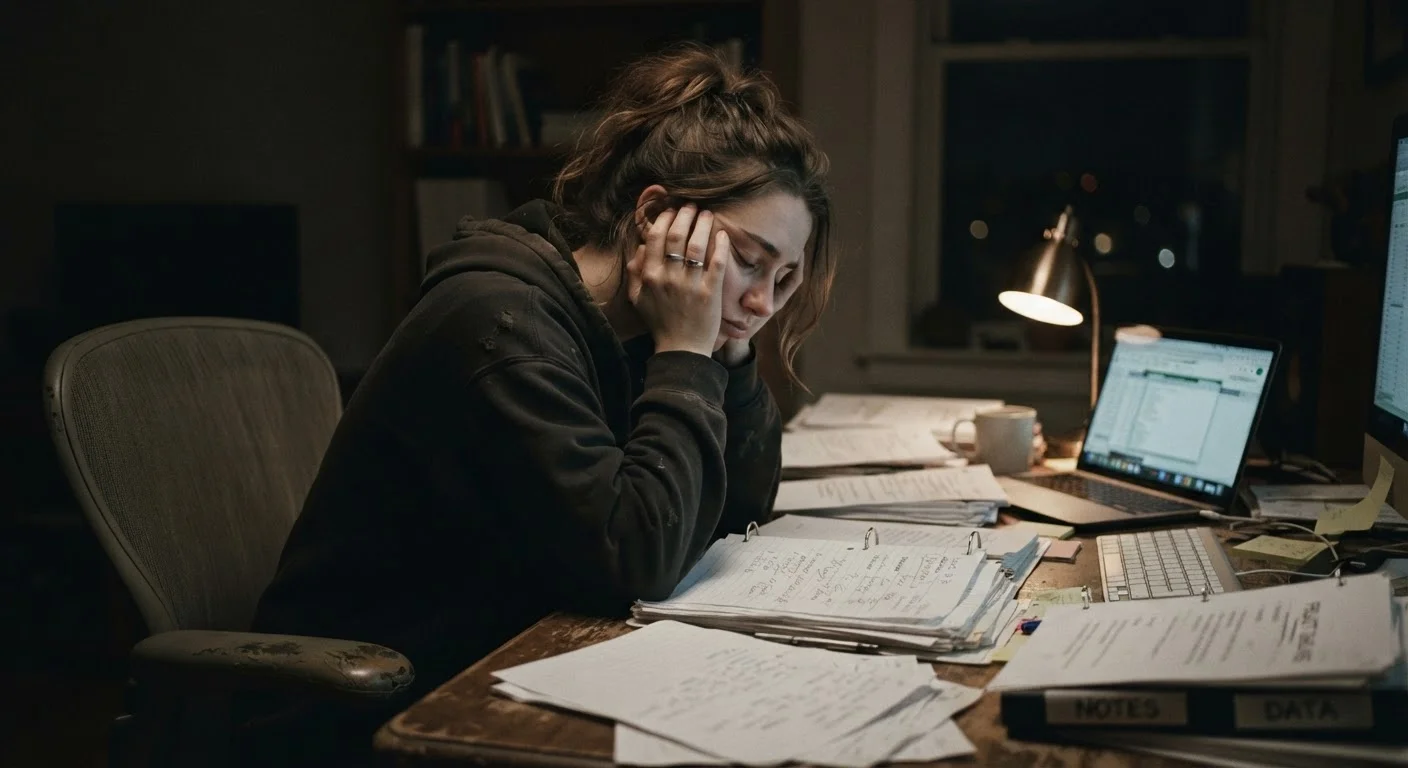
Most people who develop unhelpful stress habits aren't being careless — they're doing what genuinely feels like it should work. The problem is that feelings of immediate relief and long-term recovery are two very different things. A habit that soothes you in the moment can quietly keep your nervous system primed for stress over weeks and months.
Researchers studying chronic stress — the kind that doesn't resolve on its own — have found that certain coping behaviors can maintain or even amplify the stress response rather than resolve it. If you've ever noticed that your usual go-to strategies stop working or seem to leave you feeling worse, this may explain why. The signs that stress has become chronic often overlap closely with the effects of these well-intentioned but counterproductive habits.
Below are some of the most commonly misunderstood stress-relief habits, why they trip people up, and what the evidence suggests trying instead.
Common Stress Habits That Can Backfire
Each of the patterns below is familiar, even socially encouraged — which is part of what makes them easy to overlook as a source of ongoing difficulty.
Venting without resolution — replaying stressors in detail to anyone willing to listen.
Why it happens: Talking feels productive, and social support is genuinely valuable. But repeatedly recounting a stressor without working toward a resolution can be a form of rumination rather than processing.
Using distraction as the primary coping tool, particularly screen-based distraction in the evening.
Why it happens: Distraction offers genuine short-term relief from unpleasant thoughts, which is why it's easy to lean on heavily. It feels like rest, especially after a demanding day.
Avoiding stress triggers entirely, including situations, people, or tasks linked to anxious feelings.
Why it happens: Avoidance provides immediate, measurable relief. In the short term, not entering a stressful situation genuinely does lower your heart rate. This makes the pattern feel rational and self-protective.
Treating intense exercise as an emotional pressure valve, particularly when pushing through fatigue or emotional distress.
Why it happens: Exercise is widely promoted for mental health, and moderate movement genuinely does reduce stress hormones. People often assume that more is always better in this context.
Seeking reassurance repeatedly — from others or through searching online — about health, safety, or uncertain outcomes.
Why it happens: Reassurance genuinely reduces anxiety in the moment, making it feel like a rational, even responsible, response to worry. The relief is real, which makes the behavior self-reinforcing.
If you recognize yourself in several of these patterns, you're not alone. The starting point for building healthier stress habits doesn't require overhauling everything at once — it starts with noticing one pattern and experimenting with a small alternative.
What to Try Instead
Replacing an unhelpful habit doesn't mean forcing yourself into something uncomfortable. It means gradually shifting toward responses that address the stress itself rather than just muffling the signal.
~58%
Adults using avoidance as a primary stress coping strategy
Research in the field of stress and coping consistently identifies avoidance as among the most commonly reported coping strategies in adult populations, despite its tendency to maintain rather than reduce stress.
5–10 min
Minimum daily mindfulness duration with measurable stress effects
Studies on brief mindfulness interventions suggest that even short daily practice periods can produce meaningful reductions in self-reported stress and cortisol markers.
Practices grounded in mindfulness for stress — such as slow diaphragmatic breathing, body scans, or brief sensory grounding exercises — have a meaningful body of research behind them. These approaches don't require special equipment or large time commitments; even five deliberate minutes can begin to shift the physiological stress response.
Behavioral activation — gently moving toward stressors rather than away from them — is another evidence-supported approach drawn from cognitive behavioral therapy (CBT). It works against the avoidance cycle by helping the nervous system learn that the feared situation is manageable. For those whose avoidance has become more structured, the connection between avoidance and worsening fear is worth understanding.
Relaxation Techniques Aren't Always Immediately Effective
It's common to feel frustrated when a recommended technique — such as deep breathing or progressive muscle relaxation — doesn't seem to work right away. This doesn't mean the approach is wrong for you. As explained in our guide to why relaxation techniques sometimes feel ineffective, shallow practice, unrealistic expectations, and timing all play a role. Give a technique at least two weeks of consistent practice before drawing conclusions.
It's also worth reviewing your broader daily patterns. Research suggests that everyday routines can sustain chronic stress in ways that aren't immediately obvious, from irregular sleep to excessive caffeine intake.
This article is for general informational and educational purposes only and does not constitute medical or mental health advice. If stress is significantly affecting your wellbeing or daily functioning, please consult a qualified healthcare professional.