Why Movement Changes Your Stress Response
When you encounter a stressor, your body activates the hypothalamic-pituitary-adrenal (HPA) axis — a hormonal cascade that releases cortisol and prepares you to respond. This is useful in small doses, but chronic activation wears on both the body and mind. Exercise intervenes in this system in well-documented ways.
Research consistently shows that physical activity helps regulate cortisol levels, promotes the release of endorphins and neurotransmitters like serotonin and dopamine, and encourages neuroplasticity — the brain's capacity to adapt and recover. But not all movement works the same way, and understanding the differences helps you choose what fits your life. For a broader look at why movement belongs alongside sleep and breathwork as a stress foundation, see Movement, Breath, and Sleep.
Comparing the Three Main Movement Approaches
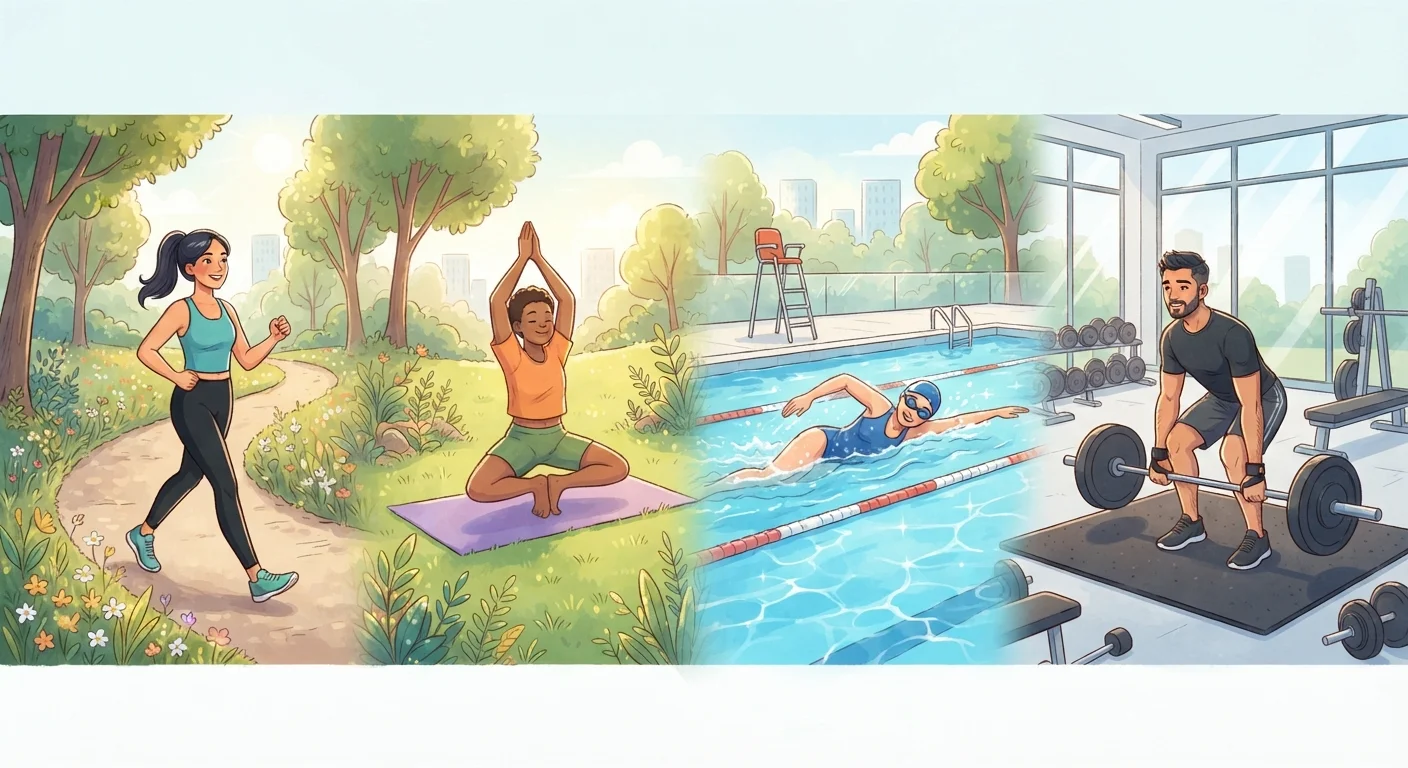
The three most researched categories of stress-relieving movement are aerobic exercise, resistance or strength training, and gentle practices like yoga, tai chi, or leisurely walking. Each has a distinct physiological profile.
| Aerobic Exercise | Strength Training | Gentle Movement (Yoga/Walking) | |
|---|---|---|---|
| Primary stress mechanism | HPA axis regulation, endorphin release | Self-efficacy, cortisol modulation | Parasympathetic nervous system activation |
| Speed of effect | Fast — often within a single session | Builds over weeks of consistency | Immediate calming effect during practice |
| Intensity required | Moderate (elevated heart rate) | Low to high (scalable) | Low — accessible for most people |
| Best stress scenario | Acute stress, mood dip | Chronic stress, low resilience | High arousal, anxiety, fatigue |
| Additional benefits | Cardiovascular health, sleep quality | Improved sleep, physical confidence | Flexibility, mindfulness overlap |
| Barrier to entry | Low — walking counts | Moderate — equipment helpful | Very low — no equipment needed |
For a more detailed reference on what the research says about specific movement types and mood, see Movement Types and Their Mental Health Effects.
Start Small and Build Consistency
You don't need a structured gym routine to benefit from exercise as a stress tool. Even a 10-minute walk can help shift your nervous system state. Focus on finding movement you genuinely enjoy — consistency matters far more than intensity when stress relief is the goal. Mixing types throughout the week (a jog, some stretching, a strength session) may offer complementary benefits.
Aerobic Exercise: The Fast-Acting Stress Reliever
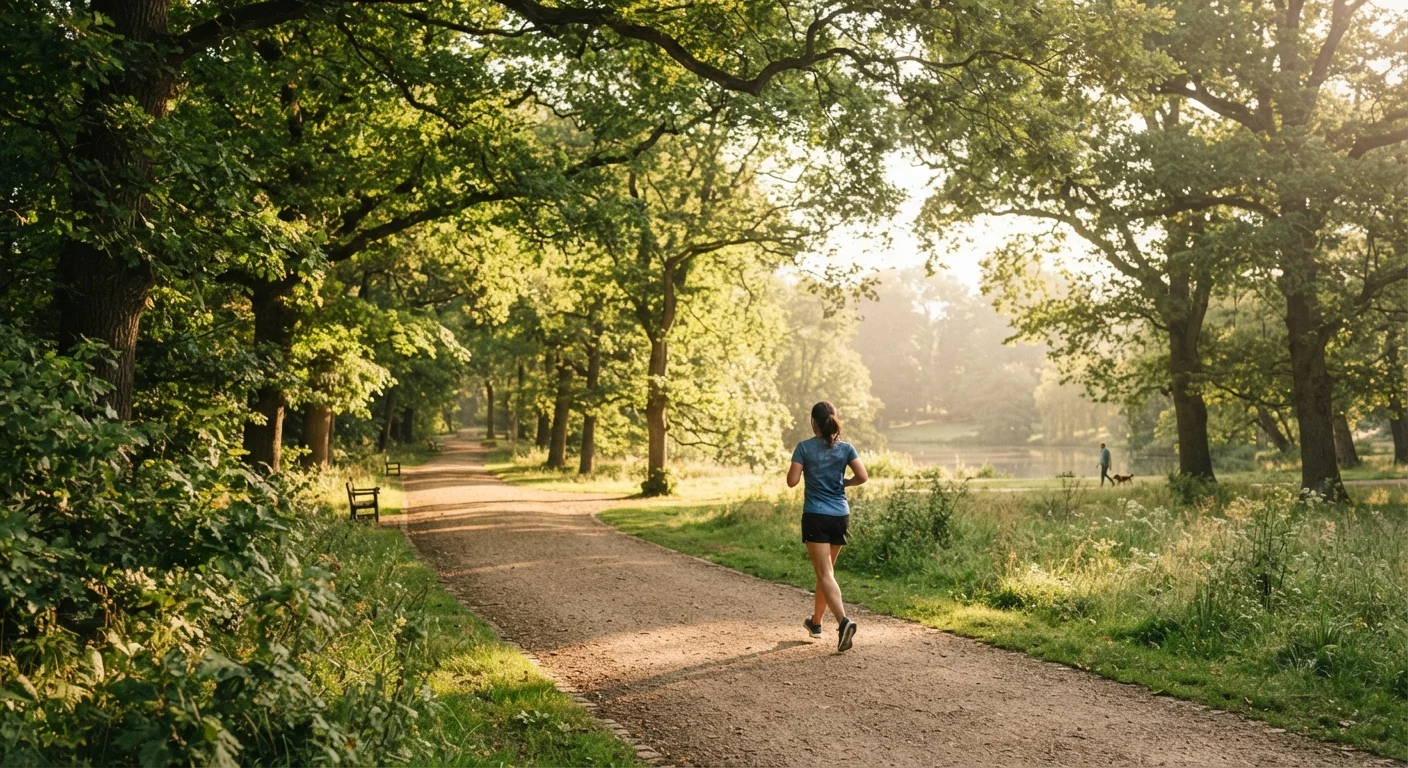
Activities like jogging, cycling, swimming, or even brisk walking elevate your heart rate and breathing, which temporarily mimics the stress response — then triggers the body's recovery systems. Over repeated sessions, this trains the HPA axis to become less reactive to everyday stressors.
Studies suggest that even a single session of moderate-intensity aerobic exercise can reduce subjective feelings of anxiety and tension for several hours afterward. Consistency amplifies this effect: regular aerobic activity is associated with lower baseline cortisol levels and improved emotional regulation. The key word is moderate — very high-intensity exercise can temporarily spike cortisol rather than reduce it, particularly if the body isn't yet conditioned to it.
~30 min
Duration for noticeable stress relief
Research suggests approximately 30 minutes of moderate aerobic activity is associated with significant reductions in anxiety and tension.
20–30%
Reduction in anxiety symptoms with regular exercise
A meta-analysis in the journal Anxiety, Stress & Coping found regular exercise reduced anxiety symptoms by roughly 20–30% compared to sedentary controls.
Strength Training: Building Resilience From the Inside Out
Resistance training — using weights, resistance bands, or bodyweight exercises — works differently. While it also influences cortisol and endorphins, much of its stress-buffering effect may come through improved self-efficacy: the growing sense that your body is capable and dependable. Research published in behavioral health journals suggests that regular strength training is associated with reduced anxiety symptoms and improved mood, independent of changes in physical appearance.
Strength training also supports sleep quality, which is deeply intertwined with stress regulation. It may be especially useful for people who find aerobic exercise unappealing or physically difficult. That said, it's worth noting that beginning a new resistance training program should be approached gradually — especially for those with existing health concerns. Always check with a healthcare provider before starting any new exercise routine.
Gentle Movement: Calming an Activated Nervous System
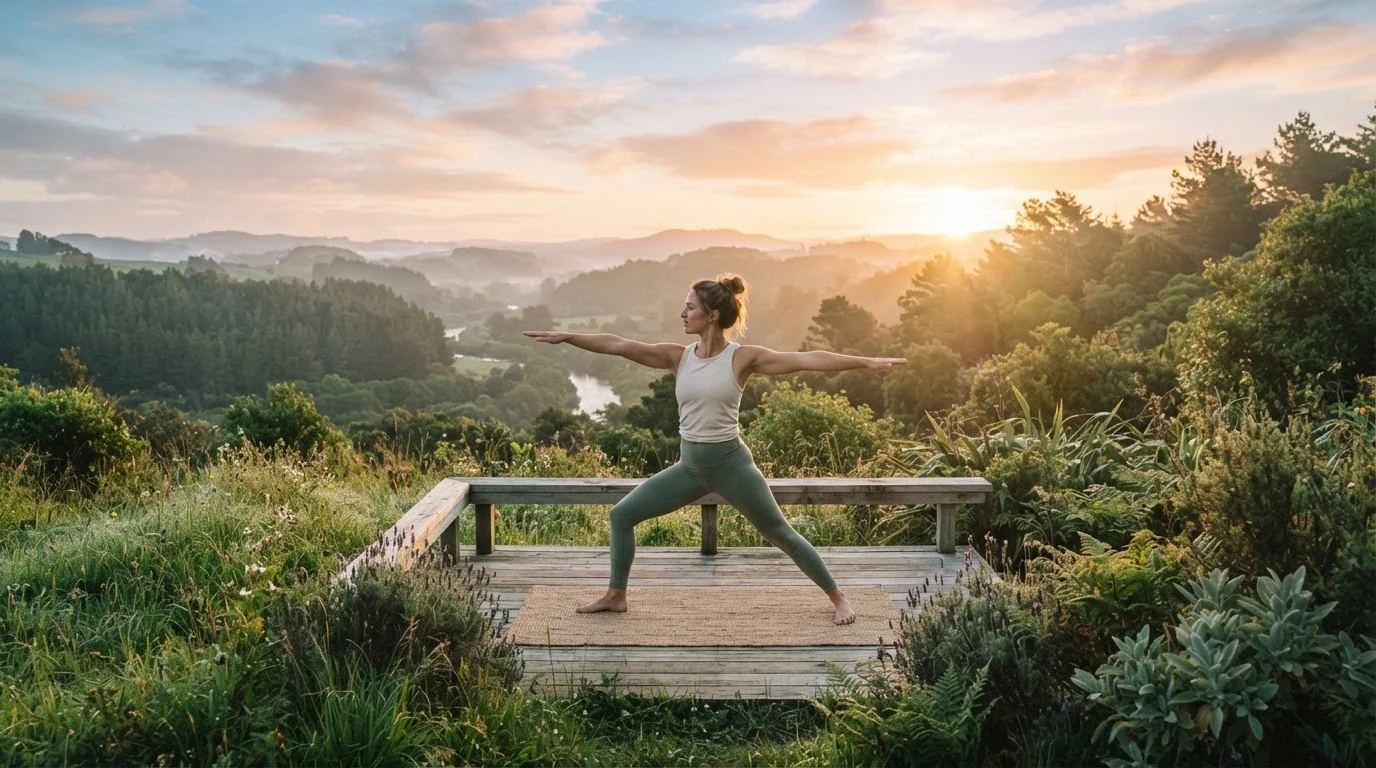
Yoga, tai chi, qigong, and slow-paced walking engage the parasympathetic nervous system — the branch associated with rest and recovery. When stress has you feeling wound up, high-intensity movement isn't always the right starting point. Gentle practices prioritize breath coordination and present-moment awareness, which overlaps considerably with mindfulness. For readers interested in that connection, Mindfulness for Stress explores how attention-based practices complement physical movement.
A growing body of research supports yoga in particular for reducing perceived stress and lowering physiological markers like heart rate and blood pressure. These practices are also highly accessible — they require minimal equipment, can be modified for many fitness levels, and are gentle enough for daily use. Physical activity has real limits, and gentle movement is honest about what it offers: not a cure, but a meaningful, low-barrier tool.
This article is for general informational purposes only and is not a substitute for professional medical or mental health advice. If you are experiencing significant stress, anxiety, or related symptoms, please consult a qualified healthcare provider.