
What Actually Separates These Two Sugar Categories?
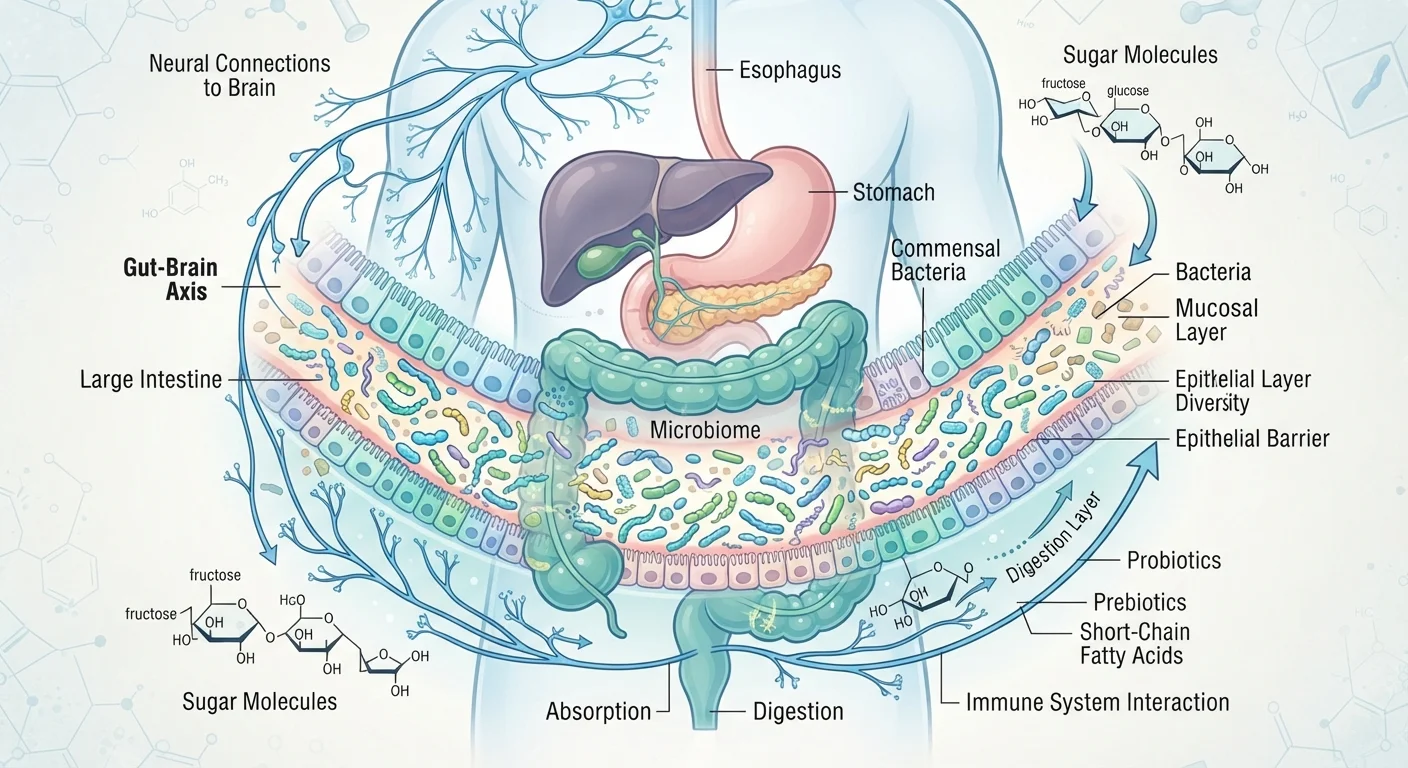
At a chemical level, both natural and added sugars are built from the same basic units - primarily glucose and fructose. A gram of fructose from an apple and a gram from high-fructose corn syrup are structurally identical. So why does the distinction draw such attention from researchers and dietitians?
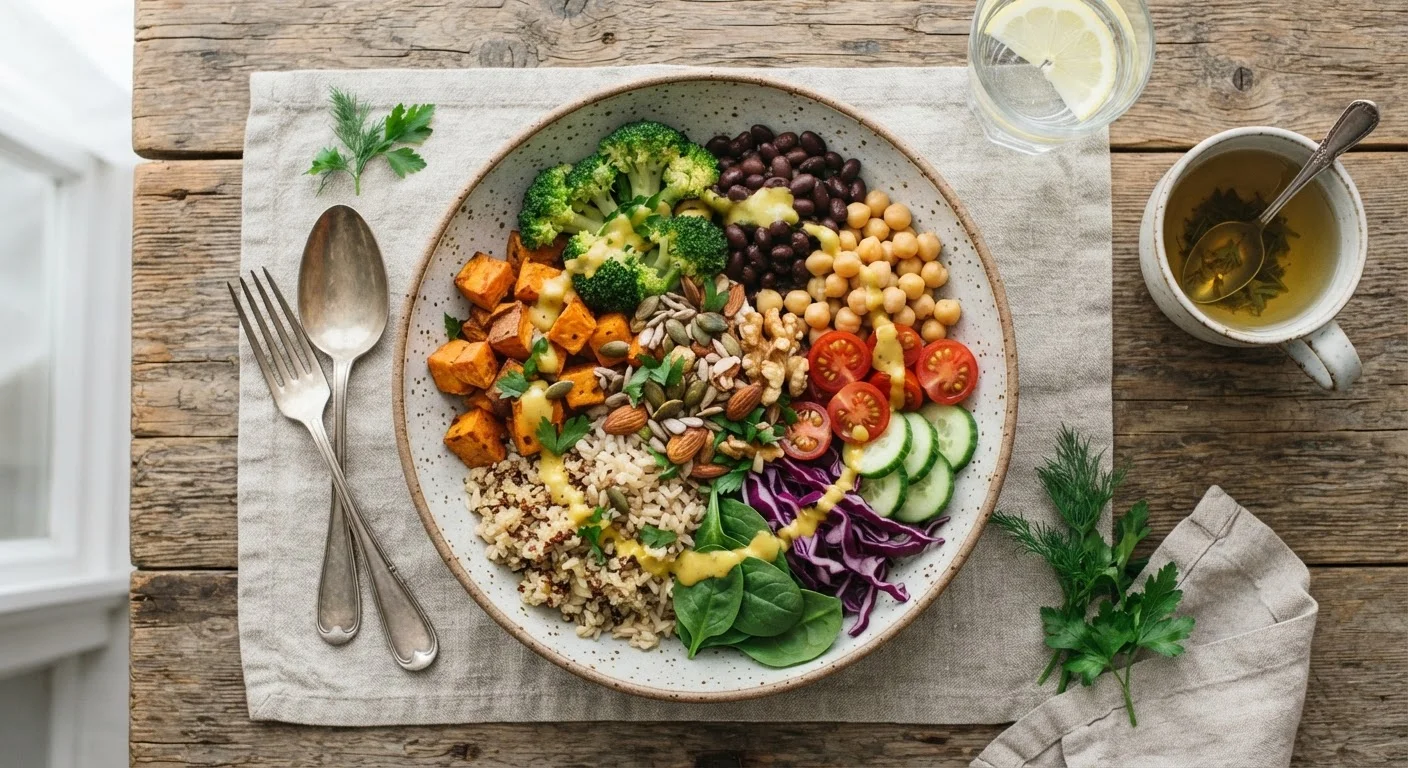
The answer lies in food matrix - the physical and nutritional environment surrounding the sugar molecule. Natural sugars arrive bundled with fiber, water, vitamins, and phytonutrients. Added sugars, by contrast, are incorporated into products that are typically low in fiber and high in calories, meaning there is little to slow or buffer their absorption.
According to the U.S. Dietary Guidelines, added sugars include any sugars or caloric sweeteners added during processing or preparation - from table sugar stirred into coffee to the high-fructose corn syrup in a soft drink. Natural sugars, on the other hand, refer to those inherent in whole foods such as fruit (fructose), dairy (lactose), and some vegetables.
| Criterion | Natural Sugars | Added Sugars |
|---|---|---|
| Source | Inherent in whole foods (fruit, dairy, vegetables) | Added during processing or preparation |
| Food matrix | Packaged with fiber, vitamins, water | Typically low fiber, nutrient-poor context |
| Glucose absorption rate | Slower, buffered by fiber | Faster, especially in liquid form |
| Blood sugar spike | Moderate and gradual | Sharp, may trigger reactive dip |
| Cortisol / stress hormone response | Minimal in typical amounts | More pronounced after large intake |
| Association with anxiety/depression | Neutral to inverse (especially whole fruit) | Positive association in multiple cohort studies |
| Gut microbiome impact | Generally supports microbial diversity | High intake linked to less favorable microbiome shifts |
Blood Sugar, Stress Hormones, and What Mood Feels Like Afterward
Understanding how these two categories behave inside the body helps explain their different mood implications. When you eat a whole apple, its pectin and fiber slow gastric emptying, producing a more gradual rise in blood glucose. When glucose climbs steadily, the insulin response is proportionate and manageable.
Added sugars - particularly in liquid form such as sodas and sweetened juices - enter the bloodstream rapidly, producing a sharper glucose spike. The body's counter-regulatory response can then push glucose lower than baseline, a phenomenon sometimes called reactive hypoglycemia. This drop triggers the release of cortisol and adrenaline - the same hormones activated by stress and anxiety. For some individuals, this cycle can manifest as irritability, difficulty concentrating, or a vague sense of tension that arrives an hour or two after eating.
Explore the biological connection between sugar and anxiety for a deeper look at how these hormonal fluctuations interact with brain chemistry.
23%
Higher common mental disorder incidence
Men in the highest sugar intake group showed approximately 23% higher incidence of common mental disorders over five years, per the 2017 Whitehall II cohort analysis in Scientific Reports.
17 tsp
Average daily added sugar intake in the U.S.
The CDC estimates U.S. adults consume an average of around 17 teaspoons of added sugar per day - well above the American Heart Association's recommended limit of 6-9 teaspoons.
It is important to note that individual responses to sugar vary considerably. Genetics, baseline stress levels, sleep quality, and overall diet all influence how strongly a person experiences mood effects from any given food.
What the Research Suggests About Added Sugar and Mental Health
Observational studies have found associations between high added sugar intake and elevated rates of anxiety, depression, and psychological distress. A notable analysis published in Scientific Reports (2017) using data from the Whitehall II cohort found that men with the highest sugar intake from sweet foods and beverages had a significantly higher incidence of common mental disorders over five years compared with those in the lowest consumption group. The researchers noted this relationship persisted after adjusting for several confounding variables.
Natural sugar consumption - specifically from whole fruits - shows a different, often inverse pattern in population studies. Higher fruit intake is generally associated with better mental wellbeing, likely because fiber, antioxidants, and polyphenols accompany the sugars. This does not mean fruit sugar is inert; very large amounts of any carbohydrate can raise blood glucose. But in realistic dietary amounts, whole fruit appears neutral to beneficial for mood outcomes.
See how high-sugar diets may alter gut bacteria and feed back into anxiety - another pathway through which the two sugar types diverge in their mental health impact.
Emerging Research: Important Caveats
Most studies on sugar and mood are observational, meaning they identify associations rather than proving causation. People who consume high amounts of added sugar may also experience other lifestyle factors - such as poor sleep or low physical activity - that independently affect mood. Randomized controlled trials specifically examining added versus natural sugar and anxiety outcomes remain limited. Interpret current findings as suggestive rather than definitive, and treat dietary changes as one component of a broader approach to mental wellbeing.
Practical Implications: Does the Distinction Actually Help You?
For someone trying to manage mental tension through diet, understanding this distinction offers a clearer starting point than blanket sugar avoidance. Rather than eliminating fruit, a more evidence-consistent approach is to audit sources of added sugar - sweetened beverages, ultra-processed snacks, flavored yogurts, condiments - since these represent the category more consistently linked to mood disruption.
Whole-food sugar sources remain part of widely recommended dietary patterns associated with mental health, including the Mediterranean dietary approach. Dietary patterns that support steadier blood sugar and calmer moods provides evidence-informed guidance on structuring meals to reduce glucose volatility.
If you want to understand how your own moods track alongside what you eat, tracking mood alongside sugar intake can reveal personal patterns that general research cannot capture.
This article is for informational and educational purposes only and does not constitute medical or dietary advice. If you have concerns about anxiety, mood, or your diet - particularly if you have an existing health condition - please consult a qualified healthcare professional before making changes.