Two Very Different Relationships with Mood
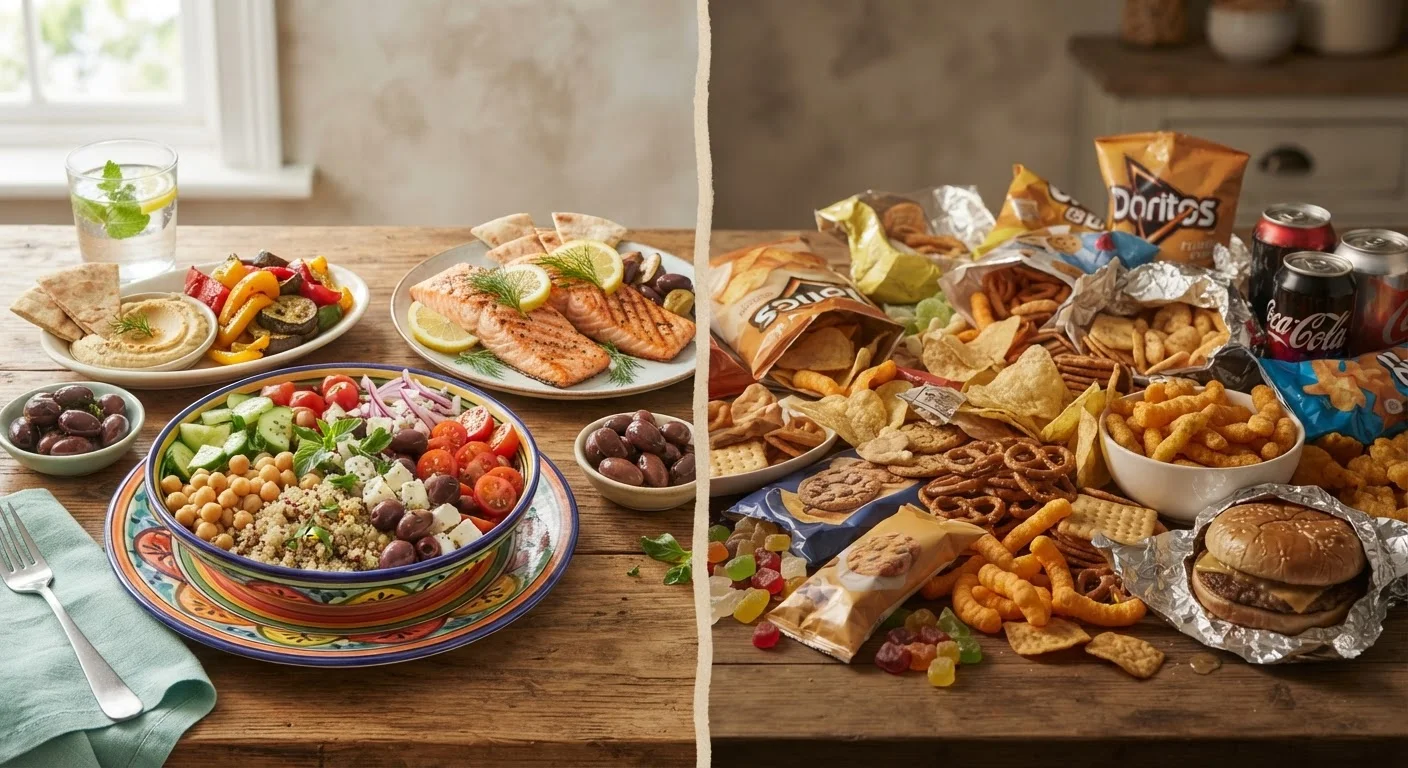
The foods we eat regularly don't just fuel the body - emerging nutritional psychiatry research suggests they may influence how we feel emotionally from day to day. Two dietary patterns have attracted particular scientific attention: the Mediterranean diet, rich in whole foods and healthy fats, and a diet high in ultra-processed foods (UPFs), characterised by refined ingredients, additives, and minimal nutritional complexity.
These patterns represent opposite ends of a dietary spectrum, and their associations with mood are correspondingly divergent. For a broader look at how different eating patterns intersect with emotional health, see how dietary patterns shape the gut-brain conversation.
| Criterion | Mediterranean Diet | Ultra-Processed Diet |
|---|---|---|
| Core components | Vegetables, fish, legumes, whole grains, olive oil | Refined grains, additives, sugar, saturated fats |
| Fibre content | High - supports gut microbiome | Low - often gut-microbiome-disrupting |
| Inflammatory profile | Anti-inflammatory overall | Pro-inflammatory overall |
| Mood research association | Lower depression risk in multiple studies | Higher depression risk in large analyses |
| Gut microbiome impact | Promotes microbial diversity | May reduce microbial diversity |
| Blood sugar effect | Generally promotes stable blood sugar | Linked to spikes and crashes |
| Evidence quality | Observational + some RCT support | Primarily observational; research ongoing |
What the Evidence Shows
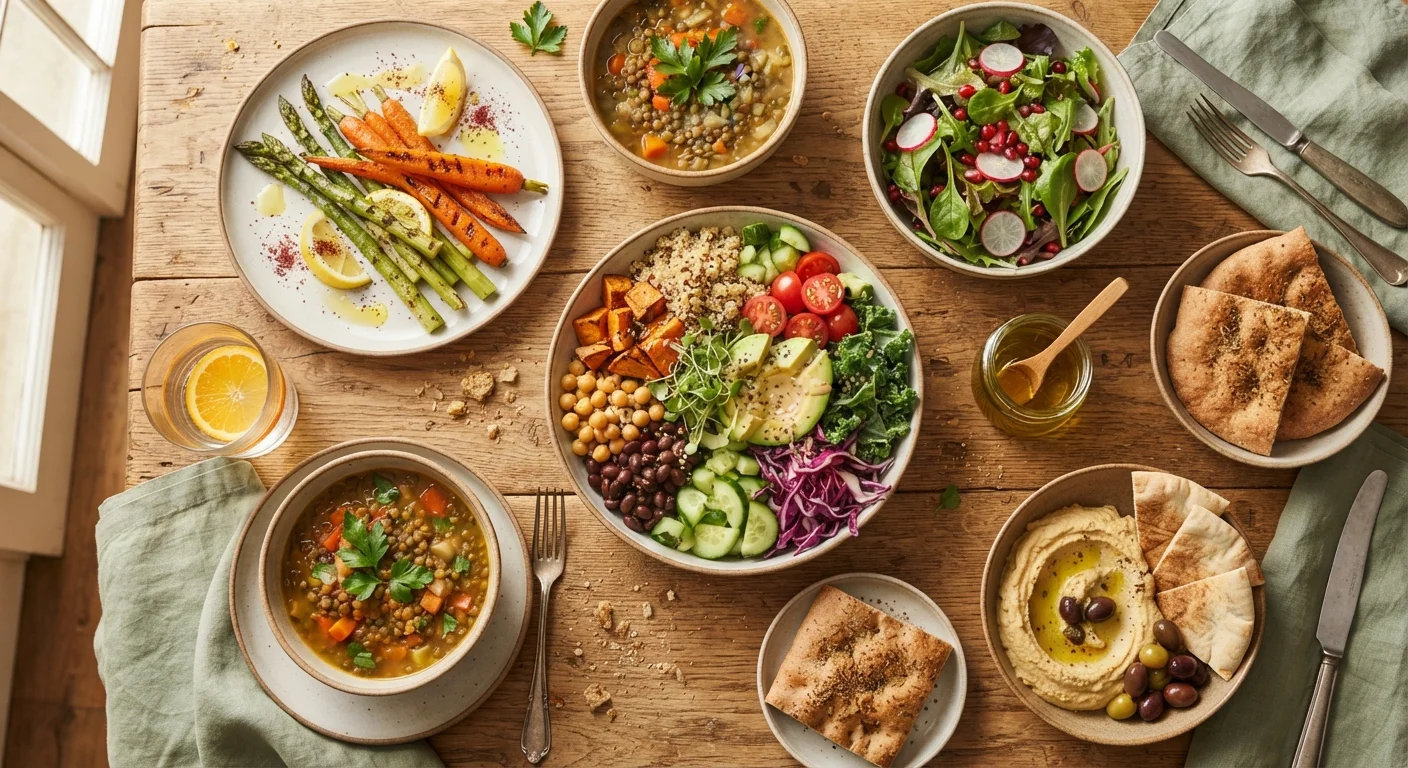
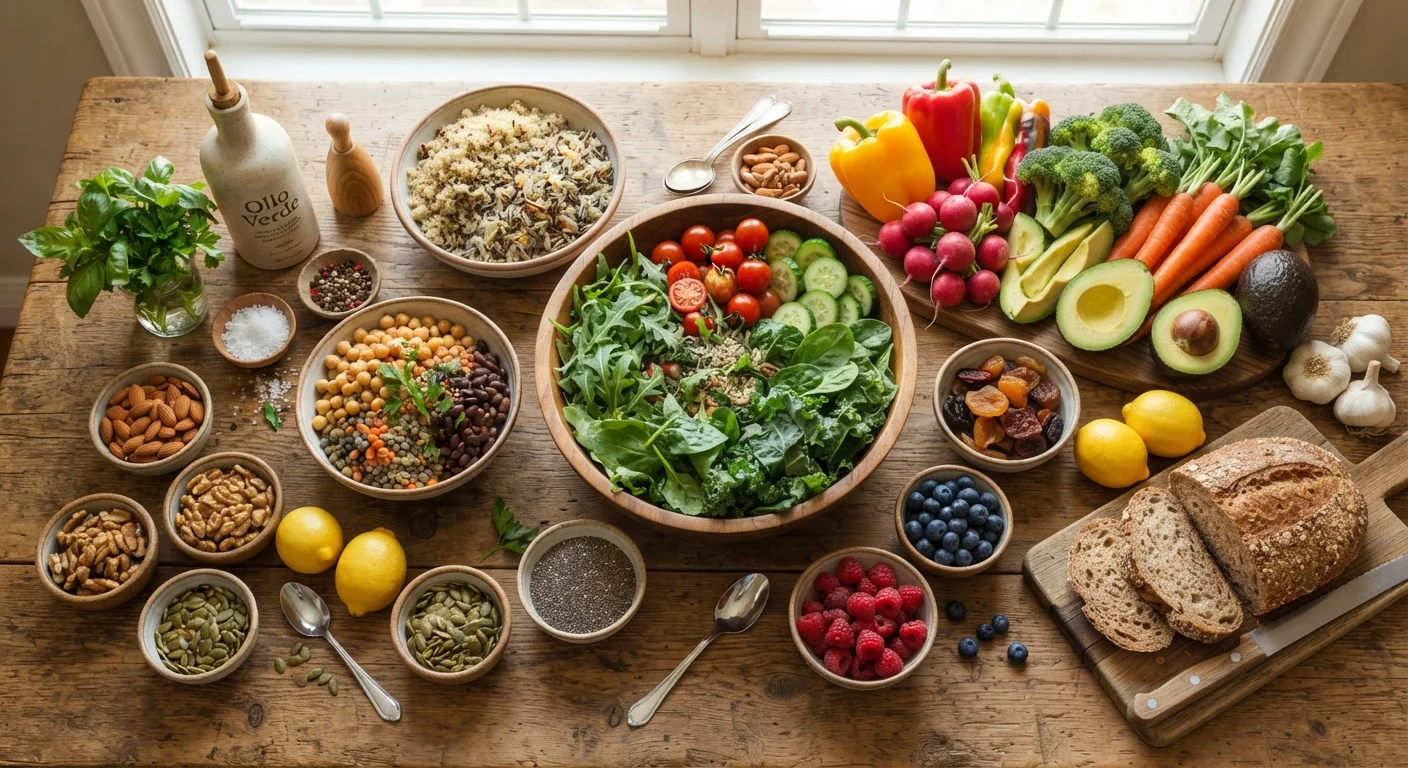
The Mediterranean diet - emphasising vegetables, legumes, whole grains, nuts, olive oil, and fish - has been studied extensively in relation to mental health. A landmark 2017 randomised controlled trial known as the SMILES trial found that a Mediterranean-style dietary intervention produced significantly greater reductions in depressive symptoms compared to social support alone. While one trial does not establish causation definitively, it added important weight to a body of observational evidence pointing in the same direction.
Ultra-processed foods tell a different story. A 2022 analysis published in JAMA Network Open, drawing on data from more than 31,000 women, found that higher UPF consumption - particularly artificially sweetened beverages and refined carbohydrates - was associated with a meaningfully higher risk of depression. Researchers have proposed several mechanisms, including disruption of the gut microbiome, increased systemic inflammation, and blood sugar volatility, all of which may affect mood-regulating neurotransmitters.
32%
Lower depression risk with Mediterranean diet
A meta-analysis published in Molecular Psychiatry found adherence to a Mediterranean diet was associated with approximately 32% lower odds of depression compared to lower adherence.
~20%
Increased depression risk with high UPF intake
Research published in JAMA Network Open (2022) found that women in the highest quintile of ultra-processed food consumption had roughly 20% higher odds of developing depression.
90%
Of serotonin produced in the gut
Neuroscience research estimates that approximately 90% of the body's serotonin - a neurotransmitter central to mood regulation - is synthesised in the gastrointestinal tract.
It is important to note that most diet-mood research is observational, meaning it identifies associations rather than proving that one directly causes the other. People experiencing low mood may also gravitate toward comfort foods, making the direction of effect difficult to untangle. That said, the consistency of findings across diverse populations is notable.
The Gut-Brain Axis: A Key Pathway
One of the most compelling biological links between diet and mood runs through the gut-brain axis - the two-way communication network connecting the gastrointestinal tract and the brain via the vagus nerve, immune signalling, and neurotransmitter production. Roughly 90% of the body's serotonin is produced in the gut, making the microbial environment of the intestines directly relevant to emotional regulation.
The Mediterranean diet provides abundant dietary fibre and polyphenols that feed beneficial gut bacteria, supporting a diverse and resilient microbiome. Ultra-processed foods, by contrast, are typically low in fibre and high in emulsifiers and preservatives that may reduce microbial diversity and increase intestinal permeability - a condition sometimes called 'leaky gut' - which is thought to allow inflammatory compounds to enter the bloodstream and influence brain chemistry.
For readers interested in the omega-3 fatty acids found prominently in the Mediterranean pattern, our omega-3 and brain health hub explores their specific role in cognitive and mood function. On the practical side, building a mood-supportive plate covers which food groups appear most consistently in this research.
Practical Implications Without All-or-Nothing Thinking
Neither dietary pattern exists in pure form in most people's real lives. The goal is not perfection but direction - shifting the overall balance of the diet incrementally toward more whole foods. Common ultra-processed dietary habits that may quietly undermine mood include over-reliance on packaged snacks, frequent fast-food meals, and sugar-sweetened drinks; our related article on nutrition habits that can undermine emotional wellbeing explores these in detail.
Pairing dietary changes with mindful eating practices can also support a healthier relationship with food, reducing reactive or stress-driven eating patterns that often increase UPF consumption.
What 'Ultra-Processed' Actually Means
The term 'ultra-processed food' refers to the NOVA classification system, which groups foods by the extent and purpose of their processing. Ultra-processed foods (NOVA Group 4) typically contain ingredients rarely used in home cooking - such as emulsifiers, flavour enhancers, and hydrogenated oils - and are manufactured for hyper-palatability. Common examples include packaged snack cakes, sugary breakfast cereals, carbonated soft drinks, and fast-food items. Minimally processed whole foods, by contrast, sit at the opposite end of the NOVA scale.
Diet is one component of emotional health alongside sleep, physical activity, social connection, and professional mental health support. This article is intended as general educational information. If you have concerns about your mood or mental health, please speak with a qualified healthcare professional.
This article is for informational purposes only and does not constitute medical or dietary advice. Always consult a qualified healthcare professional before making significant changes to your diet, particularly if you have an existing health condition.