What Is Social Stigma?
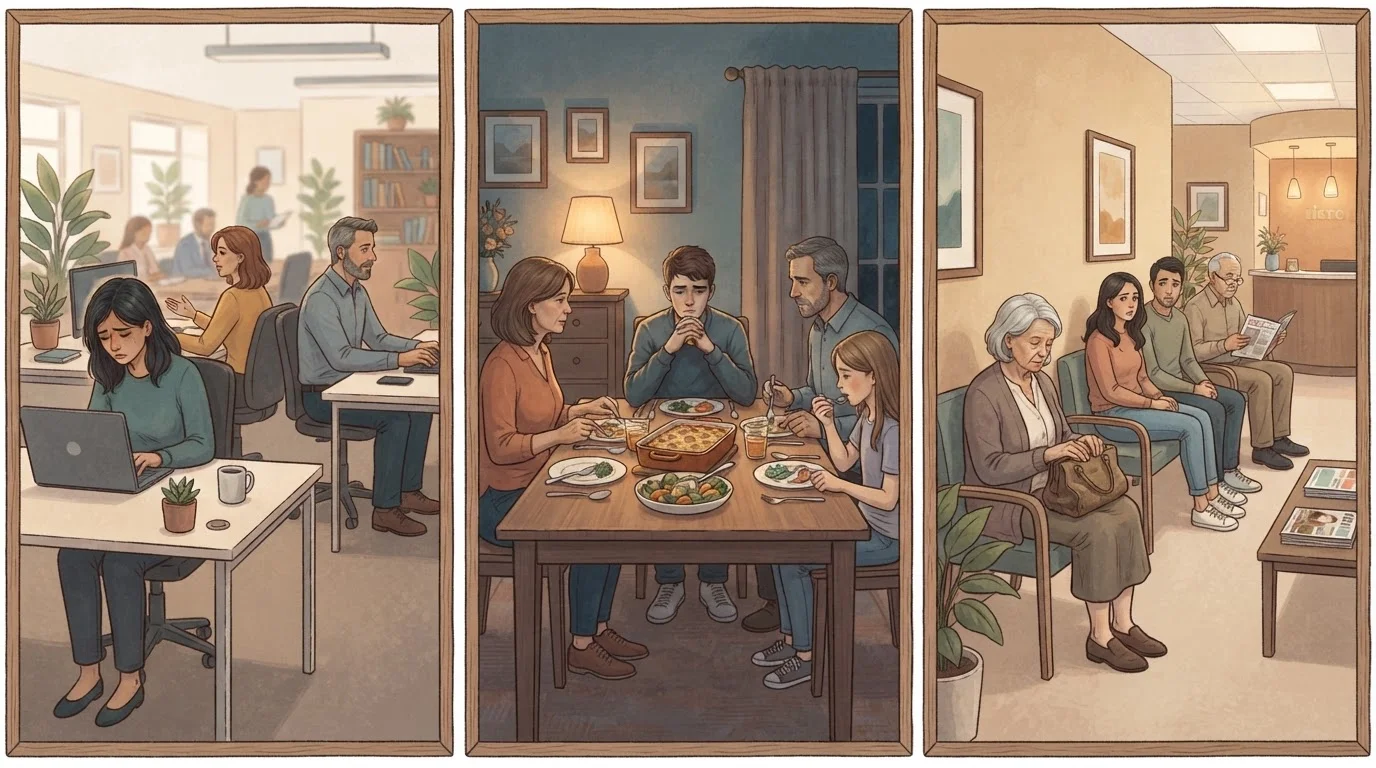
Social stigma refers to the negative attitudes, stereotypes, and discriminatory behaviors that other people - or society as a whole - direct toward individuals living with mental health conditions. It shows up in many forms: a coworker who dismisses a colleague's depression as "just being lazy," a family member who insists someone "should be able to handle it," or a system that fails to take mental health as seriously as physical health.
These external judgments can affect a person's relationships, employment, housing, and access to care. Mental health stigma shows up differently across settings - from the workplace to the family dinner table to the doctor's office. And while it originates outside the person experiencing it, its consequences are deeply personal.
Social stigma is often rooted in misinformation: the false belief that mental health conditions signal weakness, unpredictability, or moral failing. When these ideas go unchallenged, they become embedded in cultural norms and institutional practices.
What Is Self-Stigma?
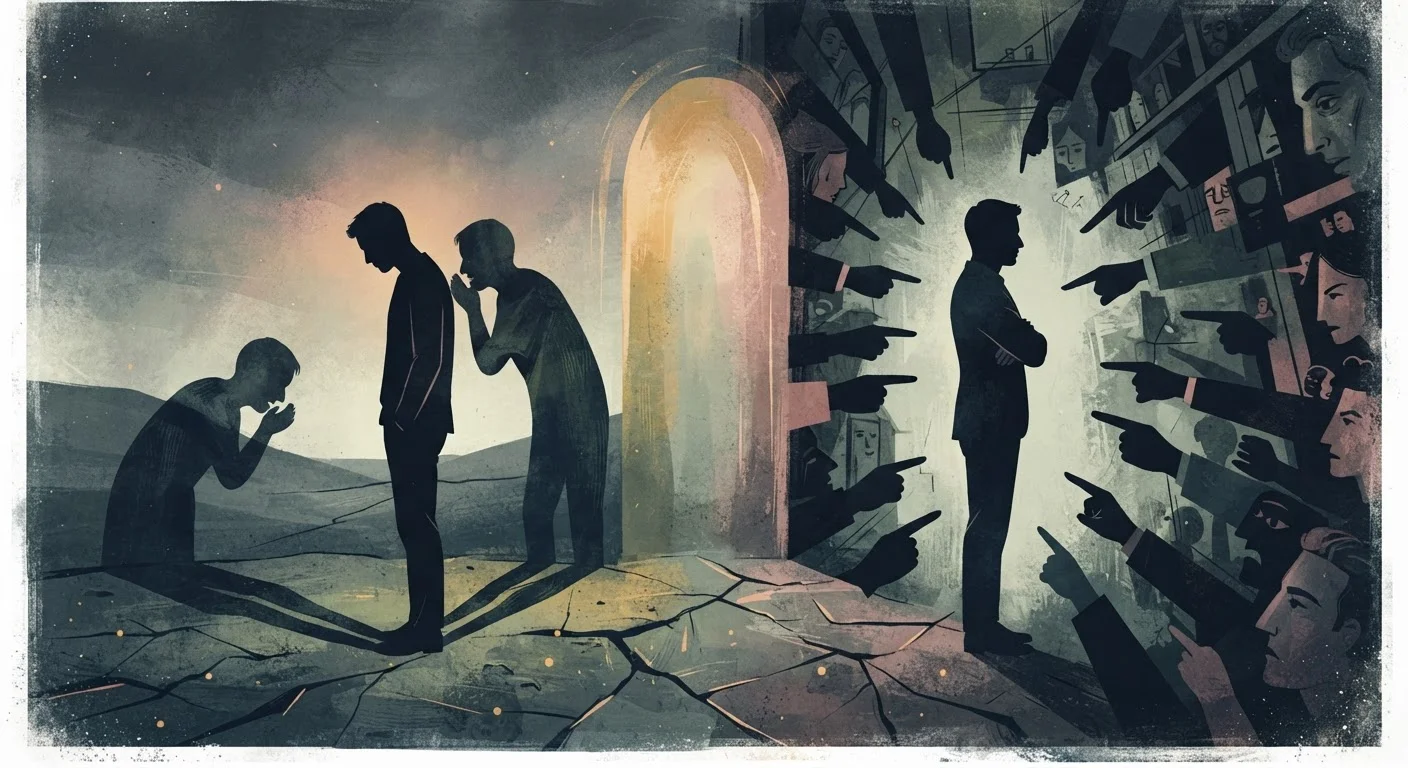
Self-stigma happens when a person absorbs society's negative beliefs about mental health and begins to apply them to themselves. Rather than recognizing these messages as external and flawed, they become part of an inner narrative: "I'm broken," "I should be stronger," "People would think less of me if they knew."
Psychologists describe self-stigma as a three-stage process: awareness of a stereotype, agreement with it, and then application of it to oneself. Each step compounds the harm. The result is often lowered self-esteem, reduced confidence in one's ability to recover, and - critically - a reluctance to seek help.
Stigma is one of the biggest obstacles to mental health care, and self-stigma is often the quieter, more invisible force at work. Unlike social stigma, which comes from outside, self-stigma is carried internally - which can make it harder to recognize and even harder to challenge.
| Criterion | Social Stigma | Self-Stigma |
|---|---|---|
| Origin | External - from others or society | Internal - from oneself |
| How it manifests | Discrimination, prejudice, exclusion | Shame, self-doubt, withdrawal |
| Who is responsible | Others, institutions, culture | Absorbed beliefs turned inward |
| Impact on help-seeking | Fear of judgment from others | Belief one doesn't deserve help |
| Primary target of change | Society, systems, communities | Individual beliefs and self-perception |
| Visibility | Often observable by the person affected | Often hidden, even from oneself |
How They Interact - and Why Both Matter
Social stigma and self-stigma don't operate in isolation. Social stigma typically comes first: cultural messages shape what people believe about mental illness. Over time, someone who repeatedly encounters those messages - in media, from family, in conversations - may begin to believe them about themselves. Self-stigma is, in many ways, social stigma that has been turned inward.
This cycle has real consequences. Documented patterns show that stigma significantly reduces help-seeking behavior across communities. People may delay treatment for years - not because care isn't available, but because shame and fear of judgment feel like insurmountable barriers.
~57%
Adults with mental illness who do not receive treatment
According to SAMHSA's National Survey on Drug Use and Health, the majority of adults with mental illness in the US do not receive any treatment in a given year, with stigma cited as a key barrier.
3-stage
Self-stigma progression model
Researchers including Corrigan and colleagues have described self-stigma as progressing through awareness, agreement, and self-application of negative stereotypes.
It's also worth noting that even well-meaning support can inadvertently reinforce stigma. Understanding the difference between social and self-stigma helps both the person experiencing it and those around them respond more effectively.
Self-Stigma Is Not a Personal Failing
Internalizing society's messages about mental health doesn't mean something is wrong with how you think. It's a predictable human response to repeated exposure to harmful beliefs. Recognizing self-stigma is not about blame - it's about understanding where those critical inner voices actually come from so you can begin to question them.
The good news is that both forms of stigma respond to awareness and education. Naming what you're experiencing - whether it's an external judgment or an internal one - is itself a meaningful act of resistance.
This article is for informational purposes only and is not a substitute for professional mental health advice, diagnosis, or treatment. If you have concerns about your mental health, please speak with a qualified healthcare provider.