What Makes a Phobia Different from Ordinary Fear
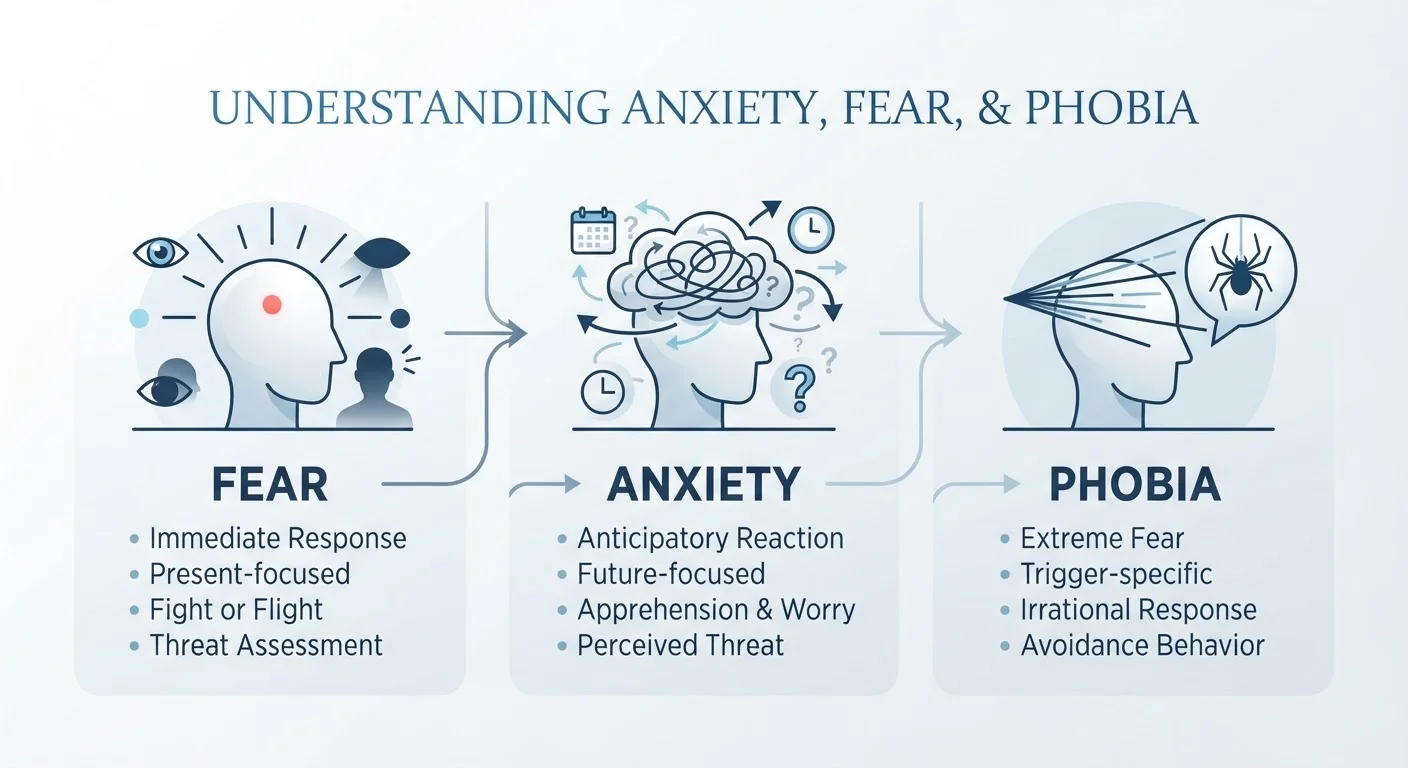
Most people feel uneasy around certain things - a spider in the bath, turbulence on a flight. That kind of discomfort is a normal protective instinct. A specific phobia is something categorically different: an intense, persistent, and disproportionate fear of a clearly defined object or situation that consistently triggers a powerful anxiety response.
The key word is disproportionate. Someone with a dog phobia may intellectually know that a calm Labrador across the street poses no threat, yet still experience a racing heart, shortness of breath, and an overwhelming urge to flee. The fear feels completely real and urgent even when evidence says otherwise. For a fuller breakdown of how phobias compare with everyday fear and anxiety, see Fear, Anxiety, and Phobia: Sorting Out the Terminology.
Specific phobia
An anxiety disorder marked by intense, persistent fear of a defined object or situation that is disproportionate to any real danger it poses.
Fight-or-flight response
The body's automatic survival reaction to perceived threat - heart rate increases, muscles tense, and attention narrows - preparing you to confront or escape danger.
Amygdala
A brain structure that acts as an alarm system, detecting threats and triggering the body's fear response, even when the perceived danger is not real.
Fear conditioning
A learning process in which a neutral object or situation becomes associated with fear, usually after a distressing experience, so it later triggers anxiety on its own.
Avoidance behavior
Actively steering clear of a feared trigger to reduce anxiety in the short term, which unintentionally reinforces the fear over time.
DSM-5
The Diagnostic and Statistical Manual of Mental Disorders, Fifth Edition - the standard reference US clinicians use to classify and diagnose mental health conditions.
How the Brain Generates a Phobic Response
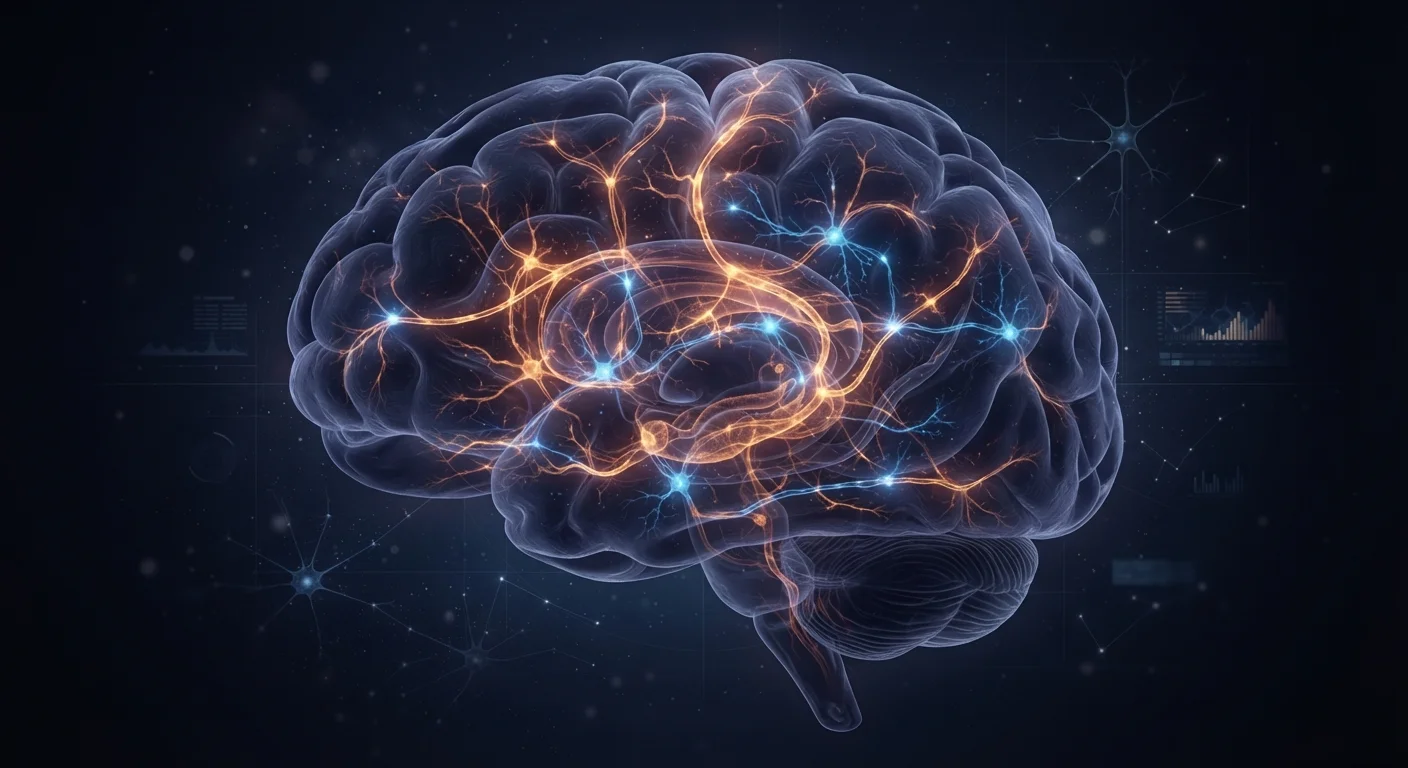
The amygdala - an almond-shaped cluster of neurons deep in the brain - acts as the brain's threat-detection hub. When it perceives danger, it triggers the body's fight-or-flight response: stress hormones flood the system, heart rate climbs, muscles tense, and attention narrows to the perceived threat.
In a phobic response, the amygdala fires this alarm based on a stored fear memory rather than an accurate real-time appraisal of danger. The prefrontal cortex - the region responsible for rational evaluation - struggles to override the signal in time. The result is a full-body threat response to a stimulus that poses little or no objective harm.
Fear and logic can coexist
People with specific phobias often know, on a rational level, that their fear is out of proportion. This awareness does not make the fear go away. The amygdala's alarm signal does not require logical agreement to fire - which is one reason phobias respond better to structured behavioral interventions than to reassurance or reasoning alone.
How Specific Phobias Form
Researchers have identified several pathways through which phobias develop:
- Direct conditioning: A genuinely frightening experience - a dog bite, a car accident, a severe turbulence episode - creates a strong fear association that persists long after the event.
- Observational learning: Watching a parent or sibling react with intense fear to something can be enough to install the same fear pattern, particularly in childhood.
- Informational pathways: Repeated exposure to alarming messages about a topic - graphic news coverage of plane crashes, for example - can build a fear association without any personal experience.
- No identifiable cause: Some phobias emerge without a clear origin. Biological predispositions, temperament, and hereditary factors appear to play a role in vulnerability.
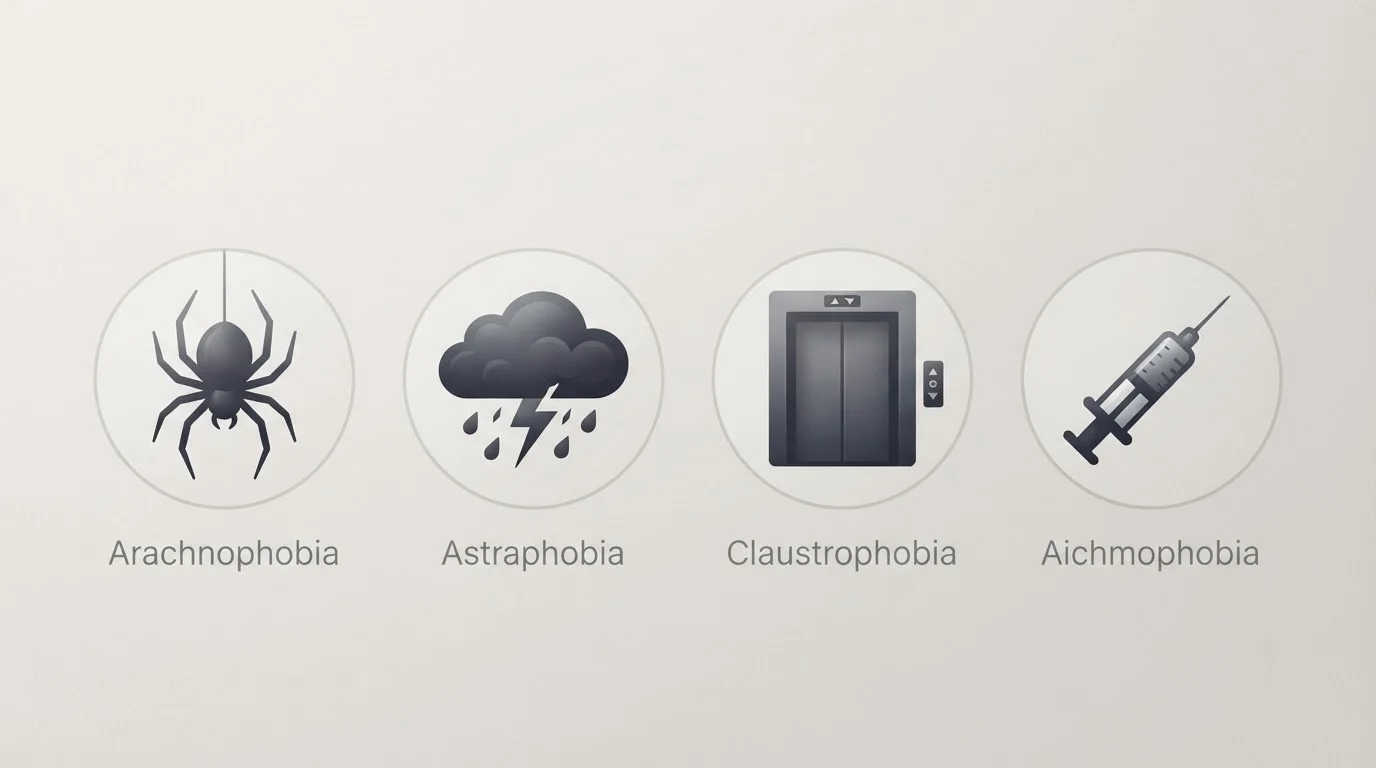
Phobias span a wide range of triggers. Common Types of Specific Phobias and the Fears Behind Them walks through the main categories and what research says about each.
What Keeps a Phobia Going
Once a phobia is established, a behavioral pattern called avoidance is usually what maintains it. Avoiding the feared trigger relieves anxiety immediately - and that relief feels rewarding. But the brain interprets avoidance as confirmation that the threat was real and that escape was necessary.
Each avoided encounter prevents the brain from updating its threat assessment. The fear memory stays intact, or grows. Over time, the zone of avoidance tends to expand: someone initially afraid of highway driving may eventually avoid all driving. This cycle is explored in depth in Why Avoiding Your Triggers Often Makes Phobias Worse.
Notice the cycle before it expands
If you find yourself rearranging plans specifically to avoid a trigger, that is a useful signal worth paying attention to. Avoidance rarely stays contained - it tends to grow. Recognizing the pattern early makes it easier to address with professional support before it significantly limits daily life.
Recognizing the DSM-5 Diagnostic Picture
The Diagnostic and Statistical Manual of Mental Disorders, Fifth Edition (DSM-5) sets out specific criteria that clinicians use when evaluating a specific phobia. Understanding these can help readers contextualize their own experiences, though only a qualified professional can provide a diagnosis.
- Marked fear or anxiety about a specific object or situation.
- The object or situation almost always provokes immediate fear or anxiety.
- The feared object or situation is actively avoided, or endured with intense dread.
- The fear is out of proportion to the actual danger, taking into account cultural context.
- The fear, anxiety, or avoidance is persistent - typically lasting six months or more.
- The fear, anxiety, or avoidance causes clinically significant distress or functional impairment.
Specific phobias are one of several anxiety presentations. The Different Faces of Anxiety can help you understand how specific phobias compare with conditions like social anxiety disorder or generalized anxiety disorder.
When to Seek Professional Support
A specific phobia becomes a practical concern when it forces you to reorganize your life around avoiding a trigger - declining a job because it involves flying, refusing medical procedures, or withdrawing from activities you value. Distress alone, even without obvious behavioral change, is also a valid reason to seek help.
Evidence-based treatments for specific phobias exist and are well established. A licensed mental health professional - a psychologist, psychiatrist, or licensed therapist - can assess your situation and discuss appropriate options. This article is for educational purposes only and is not a substitute for individualized clinical evaluation.
For a broader look at how phobias fit within the landscape of intense fear responses, see Panic and Phobia: A Complete Overview.
This article is for informational purposes only and is not medical advice. If you are concerned about your mental health, please consult a qualified healthcare professional.