What Is the Stress Response?
Stress is your body's built-in alarm system. When your brain perceives a threat — physical danger, a looming deadline, or a difficult conversation — it triggers a cascade of chemical and physical changes designed to help you cope. This is called the stress response, and it is entirely normal.
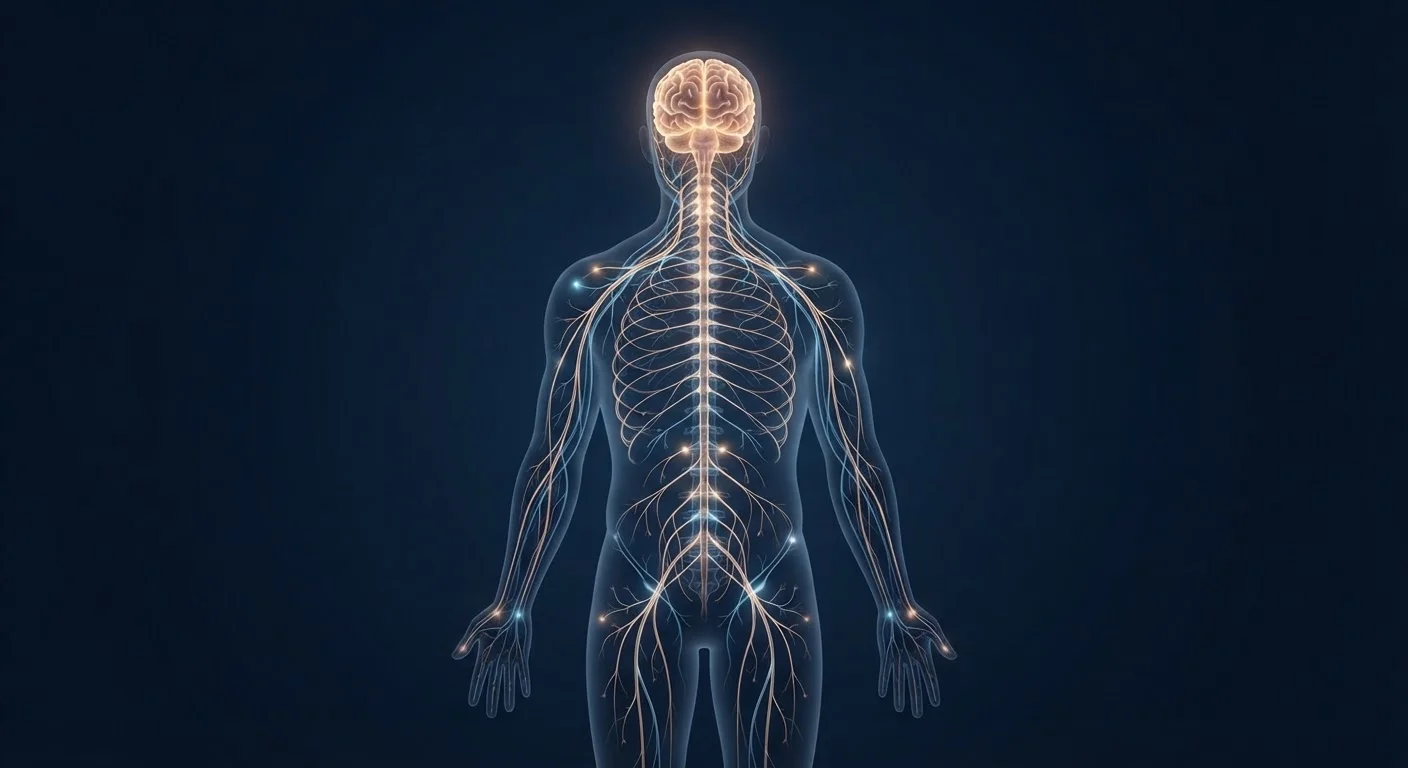
The process begins in a small brain region called the amygdala, which acts like a smoke detector, scanning your environment for danger. When the amygdala senses a threat, it signals the hypothalamus (your brain's command center) to activate the body's emergency systems. The result is a rapid, full-body shift into high alert.
Stress response
The body's automatic, full-system reaction to a perceived threat, involving hormones, the nervous system, and physical changes designed to help you cope.
Amygdala
A small, almond-shaped brain region that acts as an early-warning detector, flagging potential threats and triggering the stress response.
Cortisol
The body's primary stress hormone, released by the adrenal glands to sustain the stress response by raising blood sugar and keeping the body on alert.
Fight-or-flight
The classic name for the stress response — your body's preparation to either confront a danger or escape from it as quickly as possible.
Acute stress
Short-term stress that arises in response to a specific situation and resolves once that situation passes.
Chronic stress
Prolonged, ongoing stress that persists for weeks or months, often because a stressor doesn't go away or the body doesn't fully recover between episodes.
Parasympathetic nervous system
The branch of the nervous system responsible for returning the body to a calm, resting state after a stress response — sometimes called 'rest and digest.'
Understanding common stress triggers — from workplace pressure to relationship conflict — can help you recognize what's activating your alarm system in the first place.
The Biology Behind Fight-or-Flight
Once the alarm is triggered, your body releases two key chemicals: adrenaline (also called epinephrine) and cortisol. Together, they prepare you to either confront the threat or escape it — the classic fight-or-flight reaction.
Adrenaline acts within seconds: your heart rate rises, breathing quickens, and muscles receive a surge of blood. Cortisol follows, sustaining these changes and flooding the bloodstream with glucose (sugar) for fast energy. At the same time, functions the body considers non-essential in an emergency — digestion, immune activity, reproduction — are temporarily dialed down.
Your brain can't always tell the difference
The same biological alarm that fires when you're physically in danger also fires when you're anxious about a presentation or worried about finances. Recognizing this helps explain why psychological stressors can produce such real, physical effects — and why managing your mental environment genuinely matters for your body.
This response is remarkably efficient. In true emergencies, it can genuinely save your life. The challenge is that your brain cannot always distinguish between a physical danger and a psychological worry — both can trigger the same biological alarm.
Acute Stress vs. Chronic Stress
Not all stress is the same. Acute stress is short-term and situation-specific — the jolt before a job interview, or the adrenaline of nearly missing a step. It resolves when the situation passes, and research suggests it can actually enhance focus and memory in the short term.
Chronic stress, by contrast, is prolonged and persistent. It arises when a stressor doesn't go away — financial hardship, ongoing conflict, caregiving demands, or a high-pressure work environment — or when the body never fully returns to its resting state between stressors.
Think of acute stress as a car's engine revving for a brief acceleration, while chronic stress is the engine running at high RPM for months without a break. The wear on the system is very different.
Why Chronic Stress Is Uniquely Harmful
Here is where the biology becomes especially important. Cortisol is helpful in short bursts, but when it stays elevated for weeks or months, it begins to work against the body rather than for it.
- Cardiovascular strain: Persistently elevated heart rate and blood pressure increase the workload on the heart and blood vessels.
- Immune suppression: Chronic cortisol elevation reduces the effectiveness of the immune system, making the body less able to fight off infections.
- Sleep disruption: Cortisol naturally peaks in the morning and fades by evening. Chronic stress disrupts this rhythm, making restful sleep harder to achieve.
- Mood and cognition: Prolonged stress is associated with changes in brain structure and function, particularly in areas linked to memory, decision-making, and emotional regulation.
Chronic stress isn't just 'feeling stressed'
Many people normalize high stress levels over time, assuming that feeling tense or exhausted is just part of modern life. But chronic physiological activation carries real health consequences that accumulate quietly. If stress feels unrelenting rather than occasional, it's worth taking seriously — and discussing with a healthcare professional if symptoms are affecting your daily functioning.
This is why distinguishing chronic stress from ordinary day-to-day pressure matters so much — the health implications are meaningfully different. For a closer look at how these effects show up in the body and mind, see stress symptoms from head to toe.
Recognizing When Stress Has Crossed a Line
Because the stress response unfolds largely below conscious awareness, many people don't recognize chronic stress until it has been present for a long time. Some signs that stress may have become chronic include persistent fatigue, difficulty concentrating, frequent headaches, irritability, or feeling overwhelmed by tasks that once felt manageable.
These are not character flaws — they are physiological signals worth paying attention to. The stress symptoms hub covers the full range of physical and emotional signs in accessible detail.
If you are experiencing symptoms that concern you, please consult a qualified healthcare professional. This article provides general health information only and is not a substitute for personalized medical advice.
What You Can Do Next
The good news is that the stress response is not fixed — the body has an equally powerful system for returning to calm, called the parasympathetic nervous system. Evidence-based practices can help activate this system and interrupt the chronic stress cycle.
Mindfulness, for example, has a growing research base supporting its ability to reduce cortisol and shift the nervous system toward a calmer baseline. Learn how it works in our article on mindfulness and the stress response. Lifestyle factors — including sleep habits, physical activity, and nutrition — also play a meaningful role; see lifestyle factors and stress for a practical overview.
Stress Symptoms Reference
A plain-language overview of the physical, emotional, cognitive, and behavioral signs that stress may be affecting you — useful for building self-awareness.
Mindfulness for Stress
An evidence-grounded look at how mindfulness practices interact with the nervous system and cortisol levels, with practical context for beginners.
Lifestyle & Stress Overview
A concise reference explaining how sleep, physical activity, diet, and caffeine relate to the body's stress response — accessible for those new to the topic.
Building resilience starts with understanding. You now have the foundation — and that's a genuinely meaningful first step.