Your Body's Two Modes: Stress and Rest
Your autonomic nervous system — the part that controls involuntary functions like heart rate and digestion — operates in two primary modes. The sympathetic nervous system handles the "fight-or-flight" response, flooding your body with stress hormones when it perceives a threat. The parasympathetic nervous system does the opposite: it slows things down, conserves energy, and allows the body to recover.
Most people spend significant time in sympathetic activation, even without obvious threats. Deadlines, difficult conversations, and background worries can keep the stress response quietly humming. Relaxation techniques work by deliberately engaging the parasympathetic system — shifting the body out of alert mode and into restoration mode.
The Body Doesn't Know the Difference
Your nervous system responds to perceived threats, whether they are physical dangers or mental worries. This means the same stress chemistry fires during a traffic jam as during a genuine emergency. Relaxation techniques work precisely because they send a clear, physical counter-signal: the situation is safe, and recovery can begin.
This is not simply a mental shift. The transition between these two states involves real, physical changes in hormone levels, heart rate variability, and muscle tone — all of which can be detected and measured.
What Changes When You Relax
When the relaxation response is activated, several interconnected changes occur:
- Heart rate slows. The parasympathetic system sends signals via the vagus nerve to reduce the pace of the heartbeat.
- Breathing deepens and slows. Shallow, rapid chest breathing gives way to slower, fuller breaths that oxygenate the body more efficiently.
- Cortisol and adrenaline decrease. These stress hormones drop as the perceived threat signal fades.
- Muscles release tension. Chronic tightness in shoulders, jaw, and back begins to ease as motor nerve activity decreases.
- Blood pressure lowers. As blood vessels relax and the heart works less hard, blood pressure typically falls.
These changes are not just pleasant — they are restorative. The body uses periods of genuine rest to repair tissue, consolidate memory, and regulate immune function. This is why relaxation matters beyond simply feeling better in the moment.
“The relaxation response is a physical state of deep rest that changes the physical and emotional responses to stress — and the opposite of the fight-or-flight response.”
— Herbert Benson, Cardiologist and founding researcher of the relaxation response, Harvard Medical School
How to Activate the Response Right Now
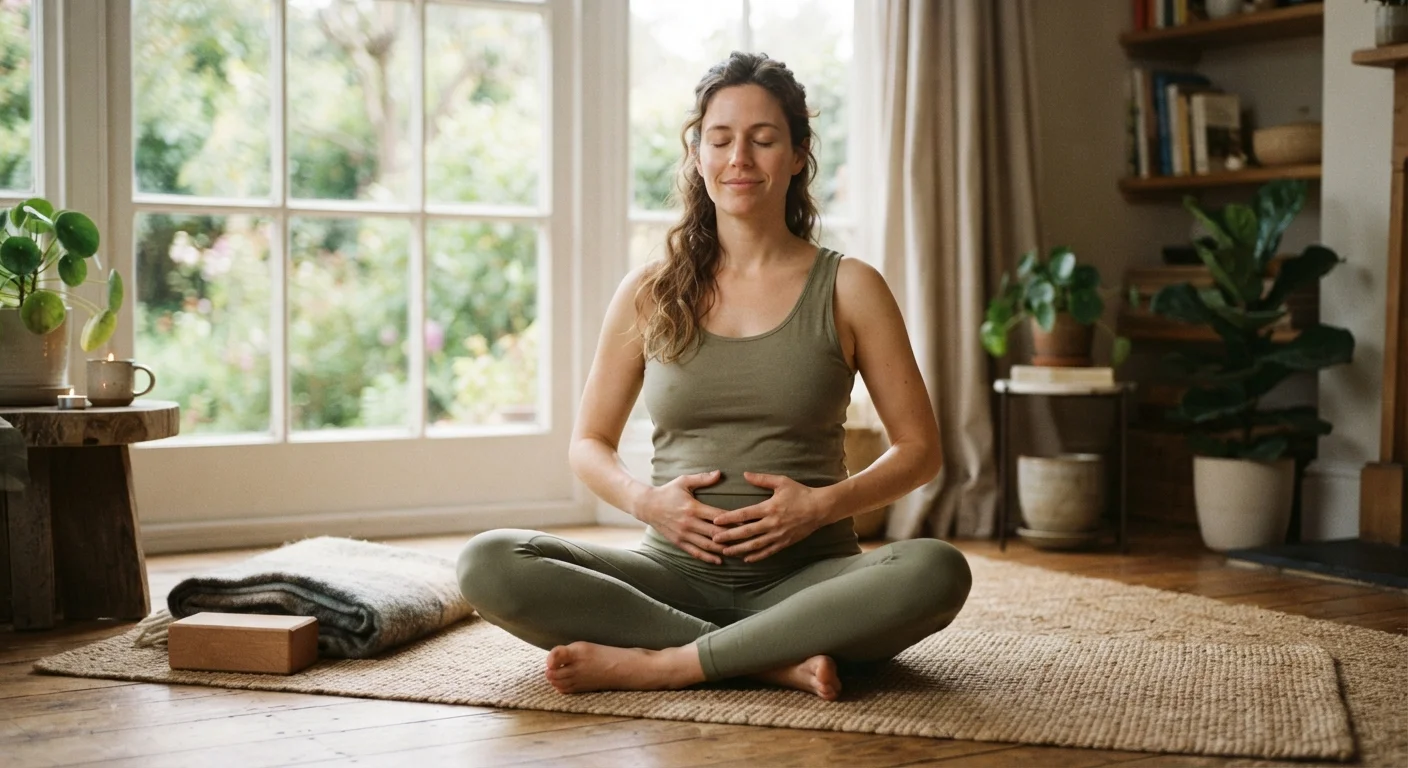
The most accessible entry point is your breath. Diaphragmatic breathing — where you breathe deeply into the belly rather than the chest — stimulates the vagus nerve directly, prompting the parasympathetic system to engage. A simple starting point: inhale slowly for four counts, hold briefly, then exhale for six counts. The longer exhale is key, as it amplifies the calming signal.
Other evidence-supported approaches include:
- Progressive muscle relaxation: Systematically tensing and releasing muscle groups to cultivate awareness of tension and relief.
- Body scan meditation: Gently directing attention through the body without judgment, which can reduce physiological arousal.
- Slow, rhythmic movement: Practices like gentle walking or stretching can also shift the nervous system toward rest.
For a broader look at these options, see calming practices beyond deep breathing.
Start With Just Two Minutes
You don't need a long session to begin shifting your nervous system. Even two minutes of slow, deliberate breathing — focusing especially on lengthening the exhale — can start the parasympathetic process. Building from a small, consistent habit tends to be more sustainable than occasional longer sessions. Check out everyday stress relief habits for practical ways to weave this into daily life.
Why Consistency Matters
The relaxation response becomes easier to access with regular practice. Research in psychophysiology suggests that repeated activation of the parasympathetic system may lower the baseline level at which the stress response fires — meaning the body becomes less reactive over time, not just in the moment of practice.
This is also why relaxation and mindfulness overlap so meaningfully. Mindfulness practices interact with the stress response in ways that reinforce similar neural and hormonal changes. Neither approach is a quick fix, but both build a physiological foundation for greater resilience.
If you are curious about which techniques fit your lifestyle — or want to explore active versus passive relaxation approaches — starting with one simple method and practicing it consistently is more valuable than trying many techniques at once.
This article is for general informational purposes only and is not a substitute for professional medical or mental health advice. If you are experiencing significant stress, anxiety, or related symptoms, please consult a qualified healthcare provider.