
Why Sleep and Stress Are Biologically Linked
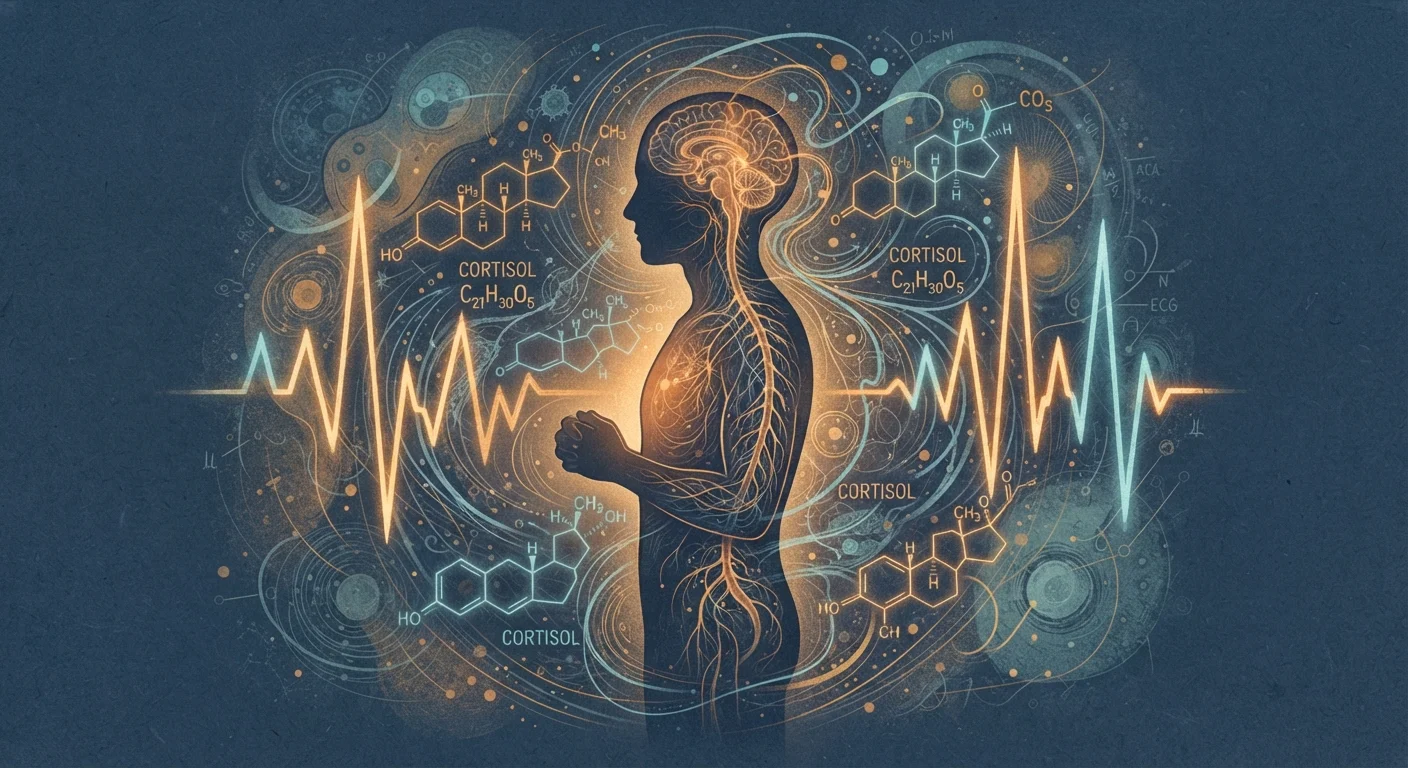
Sleep and stress regulation share much of the same biological infrastructure. The body's primary stress-response system — the HPA axis — releases cortisol in a rhythm that is tightly coupled to your sleep-wake cycle. Under healthy conditions, cortisol peaks shortly after waking, provides alertness and energy through the day, then gradually declines so that sleep can begin undisturbed.
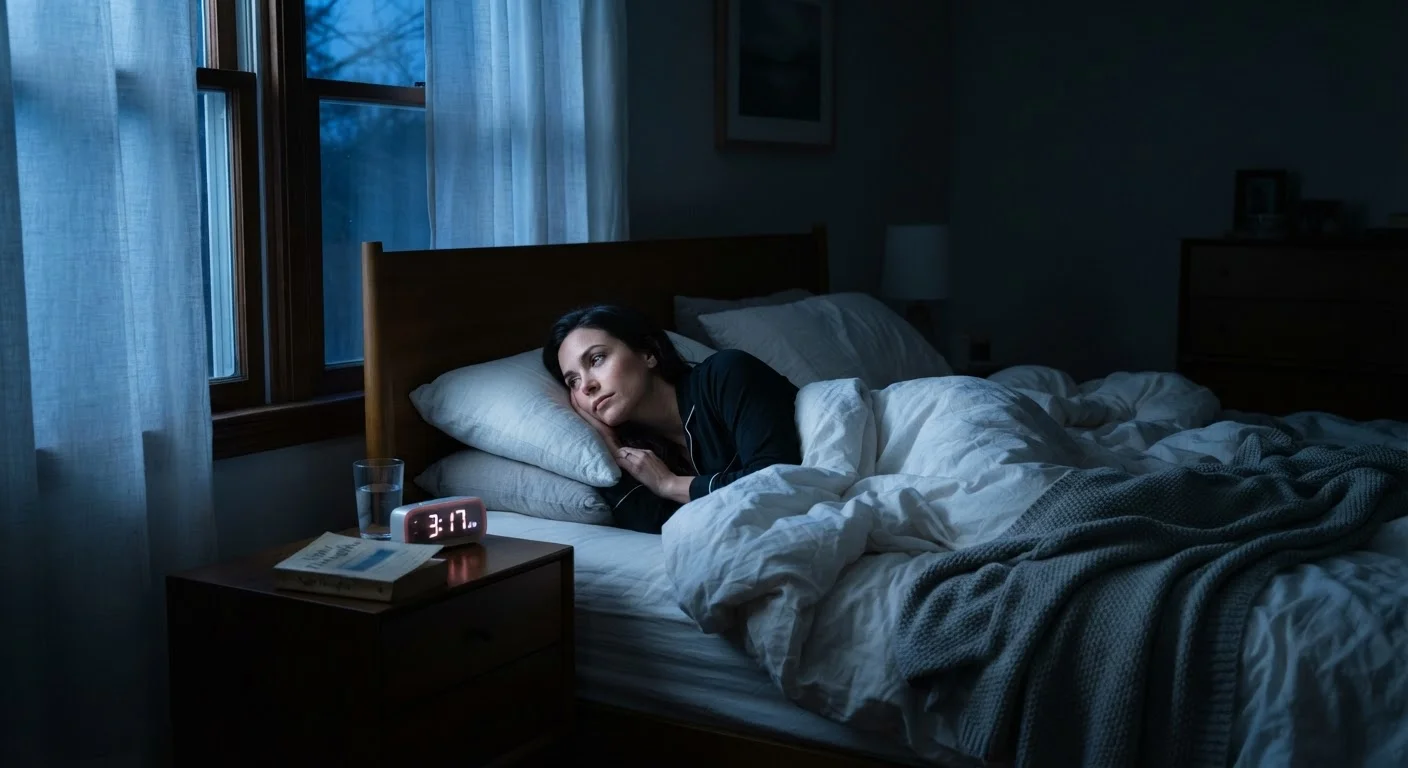
When stress is high, the HPA axis remains activated past its usual evening drop-off. Elevated cortisol suppresses the release of melatonin, the hormone that signals nighttime to the brain, making it physiologically harder to fall and stay asleep. The result is a measurable hormonal conflict happening in your body every night you go to bed stressed.
This bidirectional relationship is explored in depth in our overview of how chronic stress affects the body over time. Understanding the mechanism matters because it shows why lifestyle habits — not willpower alone — are central to breaking the cycle.
~45%
Adults reporting stress-related sleep disruption
The American Psychological Association's Stress in America surveys have consistently found that a large proportion of U.S. adults cite stress as a leading cause of sleep problems.
60%
Greater amygdala reactivity after sleep deprivation
A widely cited neuroimaging study published in Current Biology found significantly amplified amygdala responses to negative images in sleep-deprived compared to rested participants.
7–9 hrs
Recommended sleep for most adults
The American Academy of Sleep Medicine recommends this range for adults to support physical and mental health, including stress regulation.
What Your Brain Does With Stress Overnight
Sleep is not passive downtime. During deep slow-wave sleep, the brain consolidates memories and, importantly, strips the emotional charge from stressful experiences — a process researchers sometimes describe as "overnight therapy." The REM sleep stage, which becomes more prominent in the second half of the night, is particularly associated with emotional memory processing.
When sleep is cut short or fragmented, the brain gets less time in these restorative stages. Studies using neuroimaging have found that sleep-deprived individuals show greater reactivity in the amygdala — the brain's threat-detection center — to mildly negative stimuli. In practical terms, that means everyday frustrations feel disproportionately threatening after a bad night's sleep.
“Sleep is the single most effective thing we can do to reset our brain and body health each day — and it is the foundation upon which all other health habits rest.”
— Matthew Walker, Professor of Neuroscience and Psychology, University of California, Berkeley; author of 'Why We Sleep'
This heightened reactivity isn't a personality flaw; it's a predictable physiological outcome. Recognizing it can help you respond to your own irritability or anxiety with self-compassion rather than self-criticism on days when sleep was poor.
The Habit Loop: How Poor Sleep Sustains Stress
A single bad night rarely causes lasting harm. The concern arises when poor sleep and elevated stress become mutually reinforcing over days and weeks. Elevated cortisol from insufficient sleep makes the nervous system more reactive to perceived threats, which generates more psychological stress, which further disrupts the following night — and so on.
This is precisely the pattern underlying chronic stress, where low-grade activation persists long after any single stressor has resolved. The physical and emotional signs of chronic stress — including fatigue, difficulty concentrating, and mood instability — are often inseparable from the sleep disruption accompanying them.
Anchor Your Wake Time First
If your sleep schedule feels unpredictable, start with just one change: set a consistent wake time and hold to it even after a poor night. A stable morning anchor helps reset your circadian rhythm faster than adjusting bedtime alone. After a week or two of consistency, many people notice it becomes easier to feel sleepy at an appropriate hour.
Habits that seem unrelated to sleep can quietly sustain this cycle. Late-night screen use, irregular wake times, and caffeine consumed too late in the day all affect sleep architecture in ways that keep the stress system primed. Our article on daily habits that quietly raise stress levels covers several of these patterns.
Practical Implications: Small Consistencies Matter
The research points toward consistency as the lever with the most impact. A stable wake time — even on weekends — anchors the circadian rhythm that governs both cortisol timing and sleep pressure. This doesn't require perfect sleep every night; it requires a reasonably predictable pattern over time.
Other evidence-informed habits include limiting stimulating activities in the hour before bed, keeping the sleep environment cool and dark, and practicing a brief wind-down routine that gives the nervous system a cue to shift gears. These are not guarantees of perfect rest, but they work with your biology rather than against it.
For readers interested in a broader framework, our guide to sustainable stress relief covers the lifestyle principles research associates with reduced chronic stress over time, with sleep as a central pillar.
It's also worth noting that for some people, persistent sleep difficulties and chronic stress are symptoms of an underlying condition such as an anxiety disorder. If you find that sleep problems and stress are significantly affecting daily life despite self-help efforts, speaking with a qualified healthcare professional is a sensible next step — not a last resort.
This article is for general informational and educational purposes only and does not constitute medical advice. If you are experiencing persistent sleep difficulties, high stress, or related symptoms, please consult a qualified healthcare professional for personalized guidance.