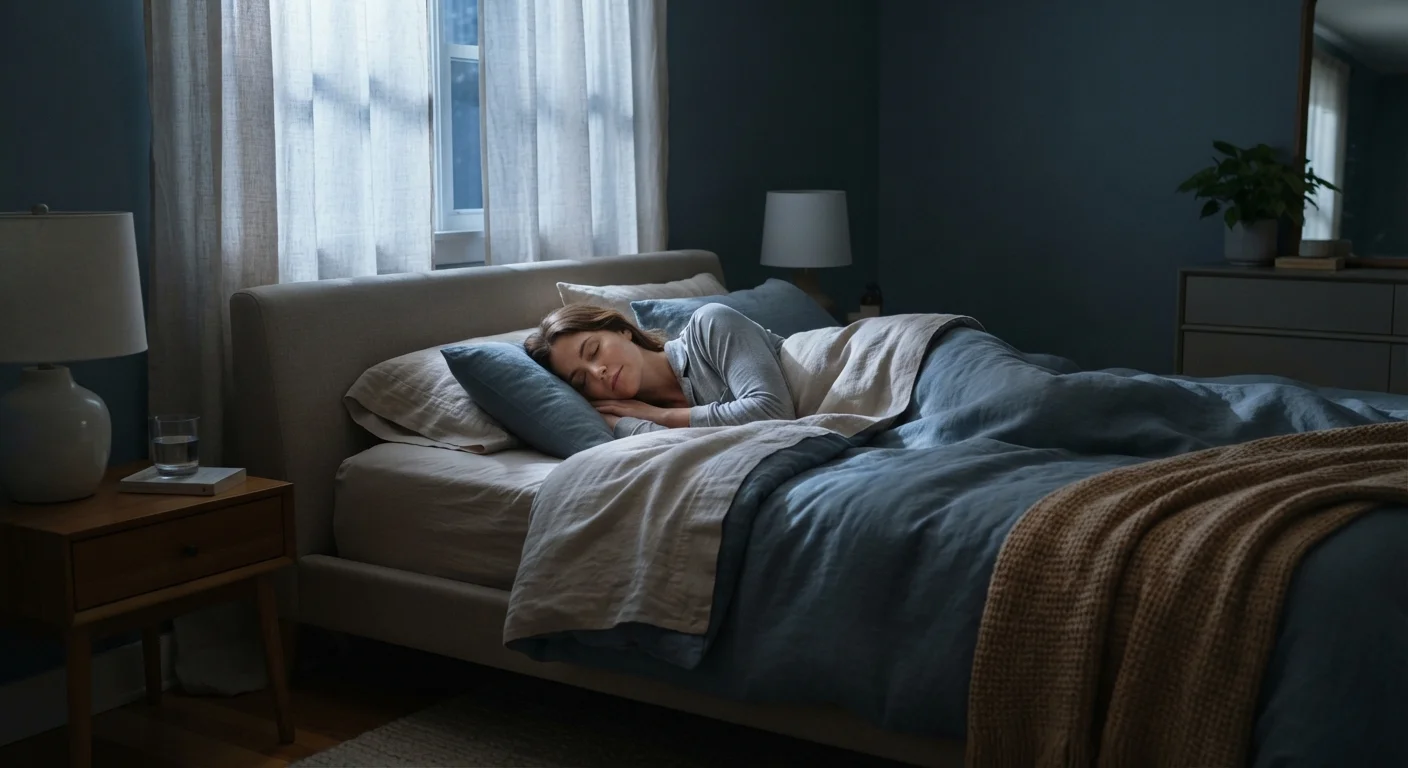

What Sleep Hygiene Actually Means
The term sleep hygiene was coined by sleep researchers to describe the set of behavioral and environmental practices that promote regular, high-quality sleep. Unlike medical treatments, sleep hygiene refers to everyday choices that are largely within your control — when you go to bed, what you do in the hour before lights-out, and how your sleeping space is arranged.
It is worth clarifying what sleep hygiene is not: it is not a clinical diagnosis, a supplement regimen, or a rigid checklist you must complete perfectly every night. Think of it as a framework for giving your body and brain the conditions they need to rest and recover. To understand why that recovery matters so deeply, it helps to first explore what mental health really covers beyond the absence of illness.
Sleep hygiene
A set of behavioral and environmental habits designed to support consistent, restful sleep. It includes routines, schedules, and bedroom conditions.
Circadian rhythm
Your body's internal 24-hour clock that regulates when you feel alert and when you feel sleepy. Regular sleep schedules help keep it stable.
Melatonin
A hormone your brain naturally releases in the evening to signal that it is time to sleep. Light exposure — especially from screens — can delay its release.
CBT-I
Cognitive Behavioral Therapy for Insomnia — an evidence-based talking therapy that addresses the thoughts and behaviors contributing to chronic sleep difficulties.
Sleep consolidation
The brain's process during sleep of organizing and storing the day's experiences and emotions into long-term memory.
How Poor Sleep Affects Mental Health
Sleep is not passive downtime. During sleep, your brain is actively consolidating memories, regulating stress hormones, and restoring emotional balance. When that process is repeatedly cut short or disrupted, the effects on mental well-being can be significant and cumulative.
Research consistently links insufficient or poor-quality sleep with heightened anxiety, reduced frustration tolerance, difficulty concentrating, and low mood. For people already managing mental health challenges, disrupted sleep can make symptoms feel more intense and harder to manage. As our related guide explains in depth, sleep functions as an active mental health tool, not simply a period of inactivity.
It is also worth noting that the relationship runs in both directions: anxiety and depression can disrupt sleep, and disrupted sleep can worsen anxiety and depression. Breaking that cycle often begins with the habits covered below.
Chronic Sleep Loss Is Not Just Tiredness
Regularly getting significantly less sleep than your body needs is not simply a matter of feeling groggy. Over time, it can meaningfully affect emotional regulation, decision-making, and physical health. If you regularly rely on caffeine or willpower to function through the day, that is a signal worth taking seriously — not just pushing through.
Core Sleep Hygiene Habits to Know
The following practices are supported by behavioral sleep research and form the backbone of most sleep hygiene guidance:
- Keep a consistent schedule. Going to bed and waking at the same times every day — including weekends — helps anchor your body's internal clock, known as the circadian rhythm.
- Wind down intentionally. A short pre-sleep routine (reading, light stretching, or a warm shower) signals to your nervous system that the day is ending. Aim for roughly 20–30 minutes of low-stimulation activity.
- Limit caffeine in the afternoon and evening. Caffeine can stay active in your system for several hours, delaying sleep onset even when you feel tired.
- Reserve your bed for sleep. Avoiding work or prolonged screen use in bed helps your brain associate that space with rest rather than alertness.
- Manage screen exposure before bed. Reducing bright screen time in the 30–60 minutes before sleep can support the natural rise in melatonin your body needs to feel sleepy.
Small adjustments compound over time. If you are also looking at how lifestyle factors like diet, exercise, and sleep interact with stress levels, sleep hygiene is a natural starting point.
Start With One Change at a Time
Overhauling every sleep habit at once can feel overwhelming and is hard to sustain. Pick the single habit most relevant to your current struggles — perhaps a consistent wake time — and practice it for one to two weeks before adding anything else. Gradual, consistent change is far more effective than an all-or-nothing approach.
Your Environment Matters More Than You Think
The physical conditions of your bedroom directly influence how easily you fall asleep and how deeply you stay asleep. Three factors stand out most consistently in sleep research:
- Light
- Even dim light exposure during sleep can reduce sleep quality. Blackout curtains or a sleep mask can make a noticeable difference, particularly for those with early morning light or streetlights nearby.
- Temperature
- A cooler room — generally in the range of 65–68°F (18–20°C) for most adults — supports your body's natural temperature drop at sleep onset. This range varies by individual, so adjust to what feels comfortable.
- Noise
- Unpredictable sounds are more disruptive than consistent background noise. White noise machines or earplugs can help if your environment is variable.
For a structured way to assess your own sleep space, the pre-sleep environment room-by-room audit walks through each area of your home with practical checkpoints. You may also find it useful to explore evening habits that quietly erode sleep quality — many of them are easy to overlook.
When to Seek Professional Support
Sleep hygiene is a powerful starting point, but it is not a treatment for clinical sleep disorders or underlying mental health conditions. If you have applied consistent sleep hygiene practices for several weeks and still struggle to fall asleep, stay asleep, or feel rested, it is worth speaking with a healthcare professional.
Conditions such as insomnia disorder, sleep apnea, and restless leg syndrome require specific clinical evaluation. A doctor or licensed therapist specializing in sleep — including those trained in Cognitive Behavioral Therapy for Insomnia (CBT-I), a structured, evidence-based approach — can offer targeted support beyond what self-help habits alone can address.
Sleep hygiene is where many people begin their journey toward better mental wellness. Combined with attention to other areas such as hydration and its effect on mood and focus, small consistent habits can build a meaningful foundation for day-to-day mental energy and resilience.
This article is for general informational and educational purposes only and is not a substitute for professional medical advice, diagnosis, or treatment. Always consult a qualified healthcare provider with questions about your sleep or mental health.