Why Your Sleep Environment Matters for Mental Health
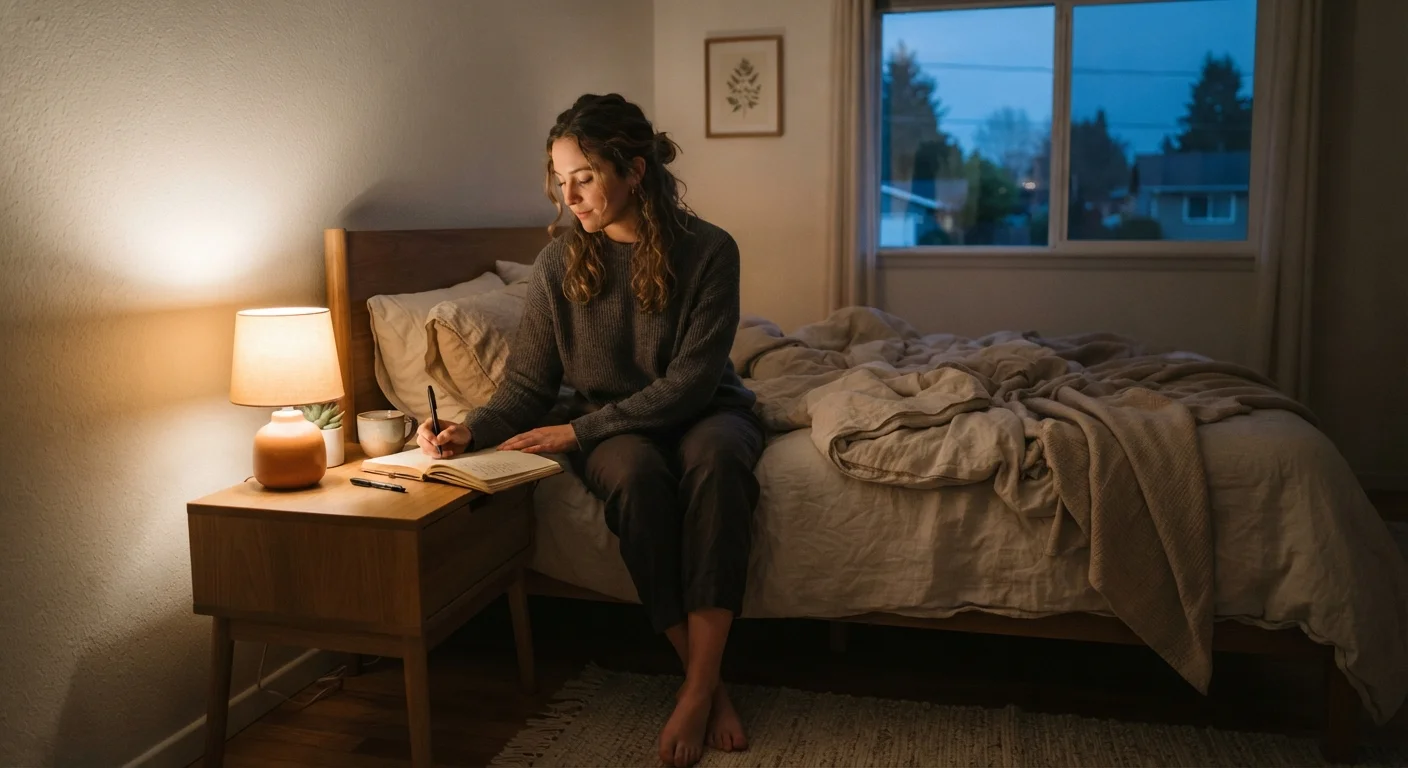
Sleep and mental health are deeply intertwined. Research in sleep science consistently shows that poor sleep quality — not just quantity — contributes to elevated stress reactivity, lower mood regulation, and reduced cognitive performance the following day. And yet many people focus entirely on their pre-bed habits while ignoring the physical space they sleep in.
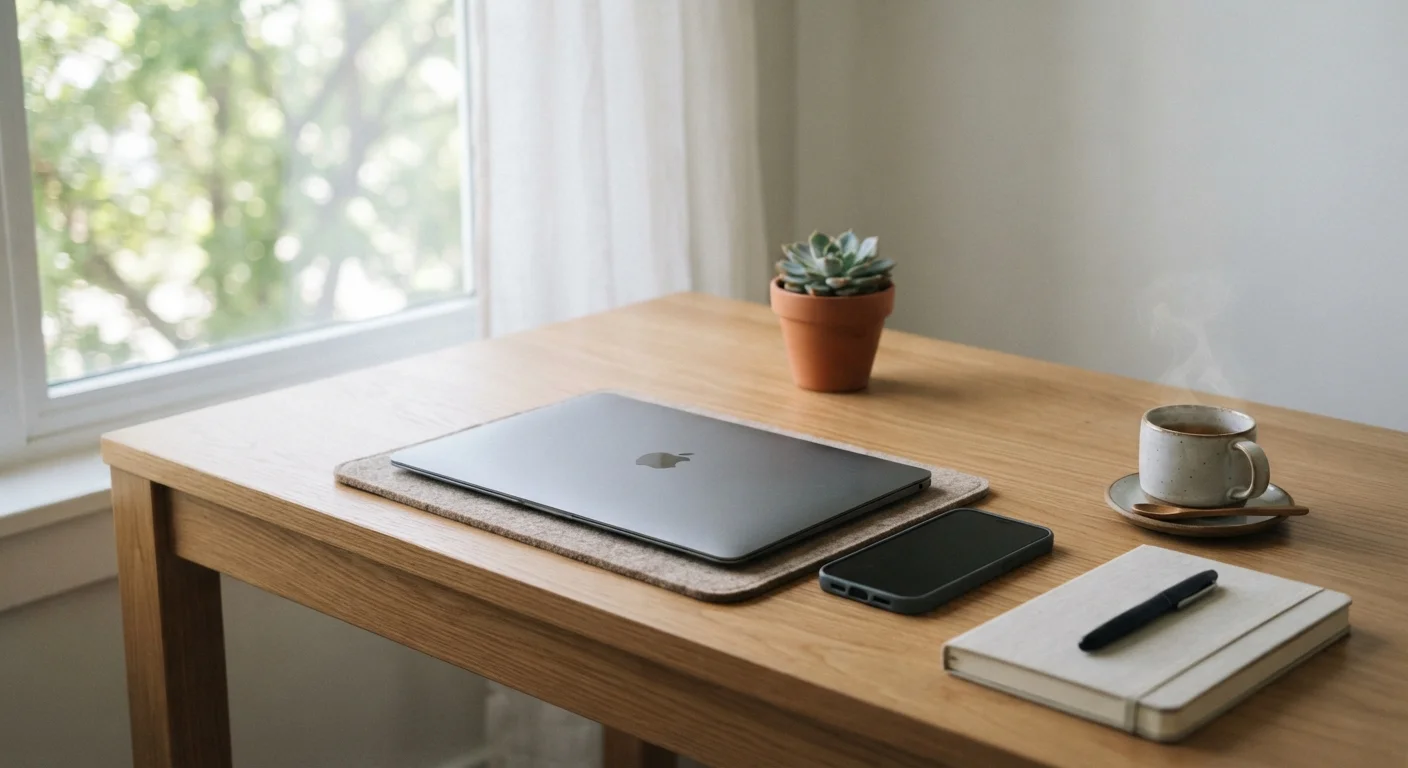
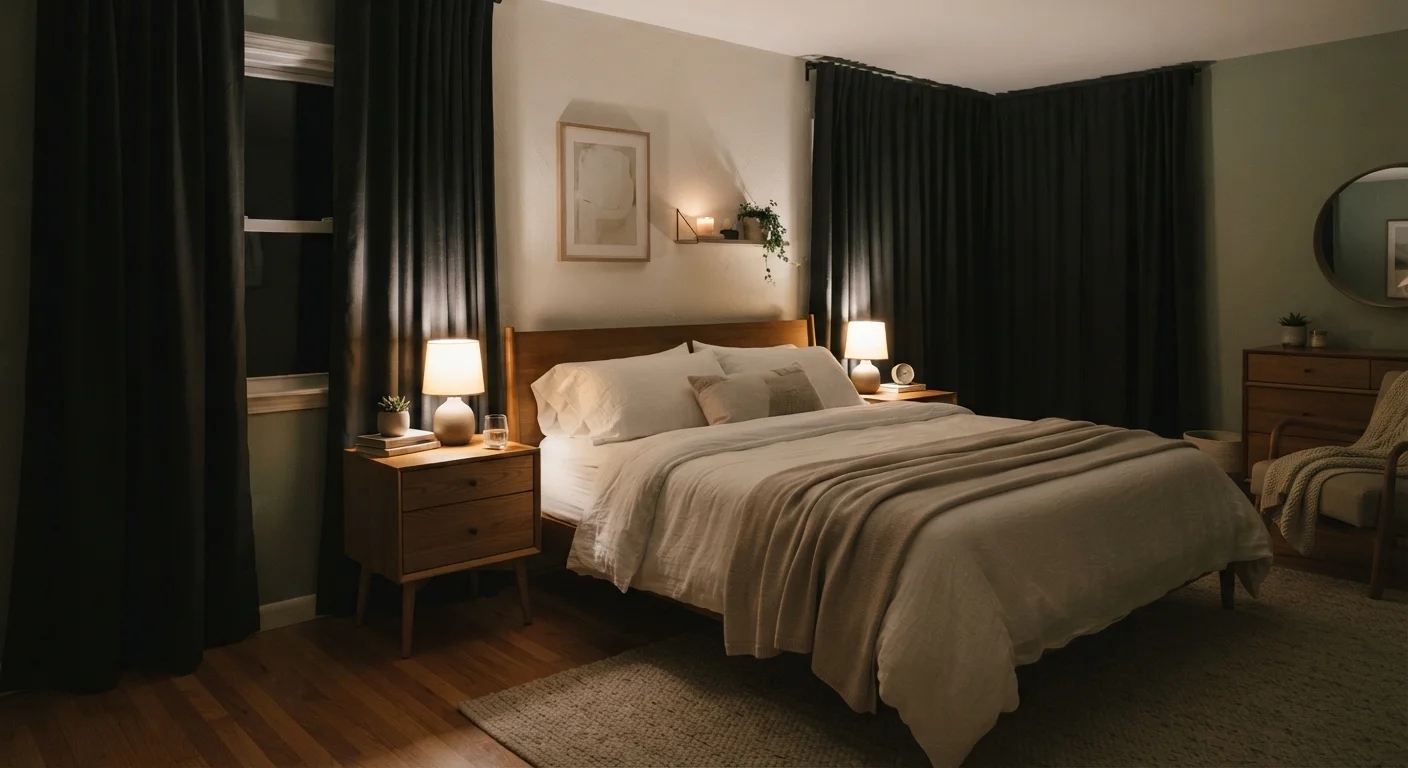
Your bedroom environment sends constant signals to your nervous system. Light tells your brain whether it is day or night. Temperature cues your body's core cooling process, which is required for deep sleep onset. Noise creates micro-arousals that interrupt sleep cycles even when you don't fully wake. Clutter and work-related objects can keep your mind in a problem-solving state when it needs to disengage.
If you've noticed that stress is disrupting your nights, the stress symptom self-check is a useful companion to this audit — it can help you identify whether poor sleep is part of a broader stress pattern worth addressing. This audit focuses on the controllable, physical factors in your sleep space that are often overlooked.
Your Environment Is Only Part of the Picture
Environmental improvements can meaningfully support sleep, but they work best alongside consistent sleep timing, stress management, and healthy daytime habits. If disrupted sleep is affecting your mood, concentration, or daily functioning, that is worth discussing with a qualified healthcare professional — not just adjusting your curtains.
How to Use This Checklist
Walk through each room or zone relevant to your sleep — your bedroom, hallway, bathroom, and any space you use in the final hour before bed. For each item, note whether it currently works in your favor, works against you, or is something you haven't thought about before. You don't need to fix everything at once.
Prioritize items marked must first; these represent the factors with the strongest evidence base for sleep impact. Should items are strongly recommended and make a noticeable difference for most people. Nice-to-have items are optional enhancements worth considering once the fundamentals are in place.
Allow 20–40 minutes for your first pass. You'll likely identify two or three quick wins you can act on immediately.
Blackout Curtains or Sleep Mask
Blocks ambient and external light to create the darkness associated with deeper, less interrupted sleep.
White Noise Machine or Fan
Provides consistent background sound to mask unpredictable noise that causes partial awakenings.
Bedroom Thermometer
Lets you accurately monitor room temperature and adjust heating or cooling to reach the sleep-optimal range.
Earplugs
Offers a low-cost way to reduce noise exposure for light sleepers or those in noisy environments.
Once your environment is optimised, pairing it with a structured wind-down practice compounds the benefit. The evening wind-down routine offers a step-by-step approach grounded in sleep hygiene principles that complements the changes you'll make here. For broader context on how daily habits connect to stress levels, the Lifestyle & Stress hub provides additional guidance on sleep, exercise, and diet.
The Room-by-Room Audit
Work through the grouped checklist below systematically. Each group targets a specific dimension of your sleep environment. You may find that some areas are already well-managed and others need immediate attention — both outcomes are useful information.
Light Control
Noise Management
Temperature & Air Quality
Clutter & Visual Calm
Bed & Bedding Comfort
Digital & Device Boundaries
Don't Overlook Persistent Sleep Problems
This checklist addresses environmental factors — but ongoing difficulty falling or staying asleep can also signal sleep disorders such as insomnia or sleep apnea. If you consistently struggle with sleep despite a well-optimised environment, speak with a healthcare professional rather than relying solely on environmental changes.
Temperature Extremes Can Be Harmful
While cooler temperatures support sleep, very cold rooms can be a risk for people with cardiovascular conditions or elderly individuals. If you have an existing health condition, consult your doctor before significantly lowering your bedroom temperature.
After completing the audit, consider relaxation practices that can help your body use a well-prepared environment effectively. The relaxation techniques hub covers breathing exercises and progressive muscle relaxation — tools that work in tandem with environmental preparation to ease the transition into sleep.
This article is for general informational purposes only and does not constitute medical advice. If you have concerns about your sleep or mental health, please consult a qualified healthcare professional.