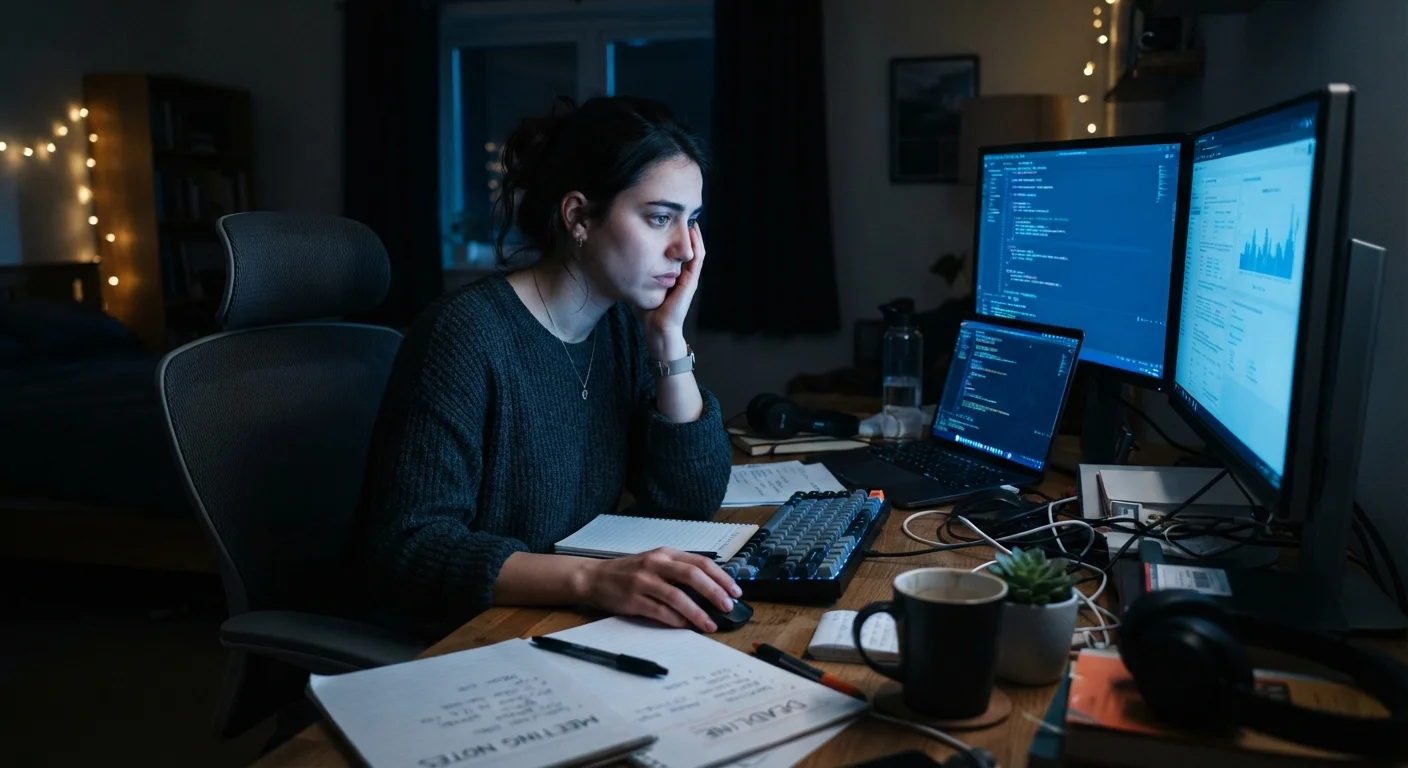

Why Your Evening Sets the Stage for Mental Recovery
Sleep and mental health are deeply intertwined. Poor sleep amplifies anxiety, impairs emotional regulation, and chips away at resilience — while good sleep actively supports mood stability and cognitive clarity. Yet many people treat bedtime as something that simply happens rather than something they prepare for.
The autonomic nervous system — specifically the shift from its sympathetic (alert, reactive) state to its parasympathetic (rest-and-digest) state — doesn't flip like a switch. It responds to accumulated cues over time. That's where a deliberate wind-down routine earns its value: it teaches your nervous system to anticipate rest.
If you've noticed that everyday habits quietly sustain your stress levels, the evening is often where those patterns are most visible — and most changeable. The goal here isn't a rigid ritual but a flexible sequence of low-stimulation activities that consistently signals: the day is done, recovery begins now.
What you will need
What You'll Need Before You Begin
Before designing your routine, it helps to have a few simple tools in place. These don't need to be new purchases — work with what you already have.
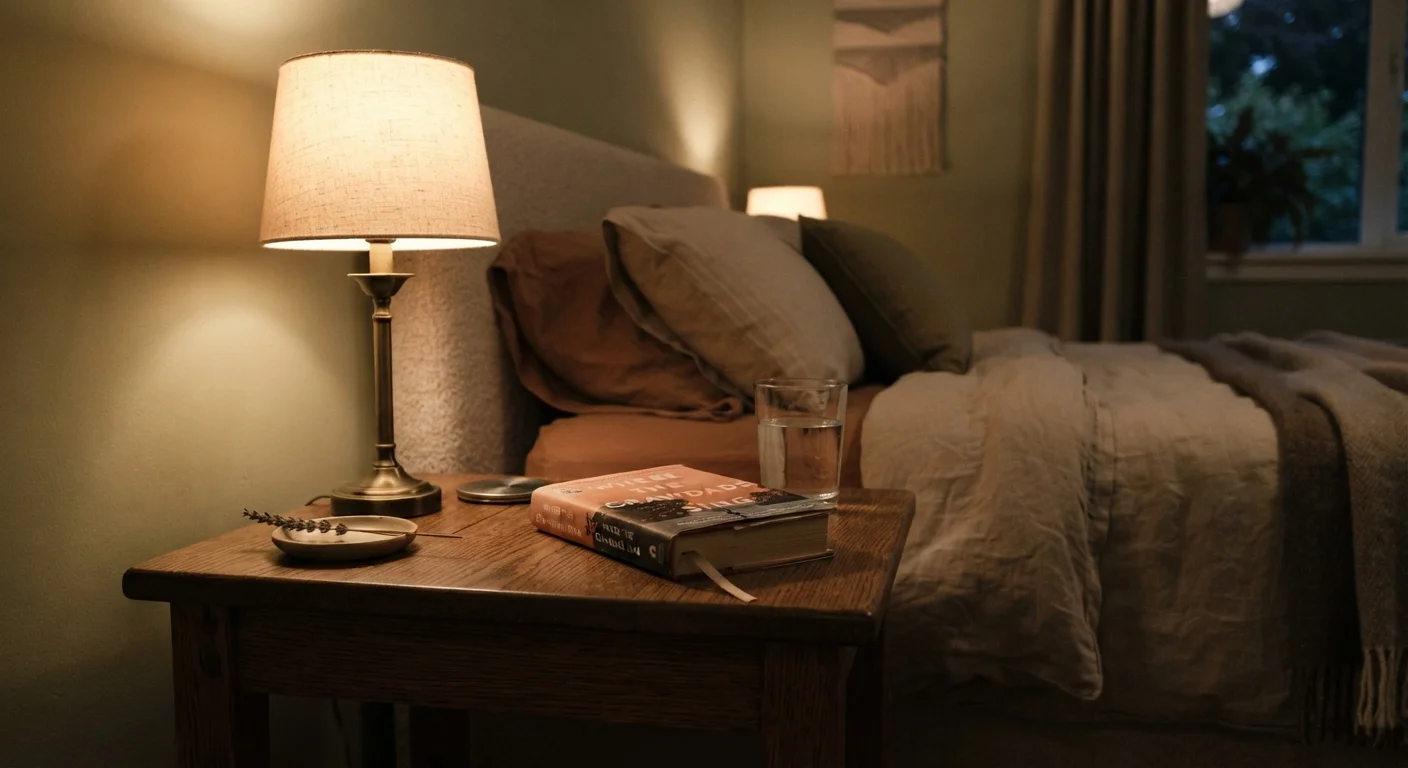
Dim or warm-toned lighting
Replacing bright overhead lights in the evening helps signal to your brain that nighttime is approaching.
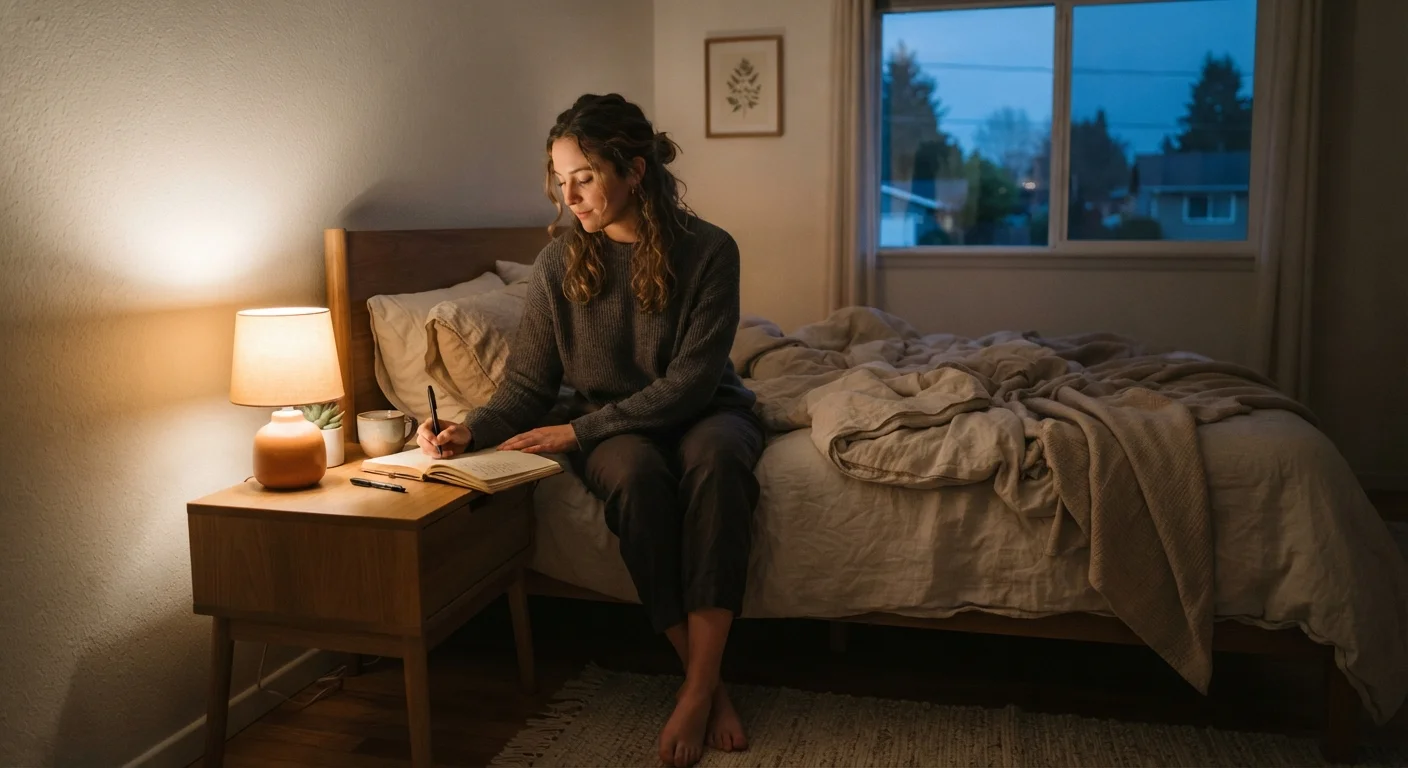
A physical notebook or journal
Used for a brief brain-dump or gratitude note to offload lingering thoughts before bed.
A screen-free alarm clock
Allows you to leave your phone outside the bedroom, reducing late-night scrolling temptation.
A simple relaxation audio (e.g., ambient sound or guided body scan)
Provides a calming auditory anchor if silence or racing thoughts make it hard to settle.
You'll also want to identify your target bedtime and count back 60 minutes. That earlier time is your wind-down start point. Everything in the steps below fits within that window.
Your Step-by-Step Wind-Down Routine
Follow these steps in order each evening. The sequence itself is part of what makes this effective — your brain learns to associate each step with the next, building a chain of cues that leads naturally toward sleep.
Set Your Wind-Down Alarm
Decide on your target bedtime, then set a recurring alarm 60 minutes earlier. Label it clearly — "Wind-down starts" — and treat it as the boundary between evening and night. When it sounds, begin transitioning away from work, news, and social media.
Dim Your Lights and Lower Screen Brightness
Bright white or blue-toned light in the evening suppresses melatonin — the hormone that signals your body to prepare for sleep. Switch to warm-toned lamps, lower overhead lighting, and if you must use a screen, enable its night mode and reduce brightness to its lowest comfortable level.
Do a Brief Brain Dump
Spend 5–10 minutes writing down anything still circling in your mind: unfinished tasks, tomorrow's to-dos, lingering worries. The act of externalizing these thoughts onto paper (not a phone note) allows your brain to release its grip on them. This is not journaling about feelings — it's simply clearing working memory.
Choose One Calming Low-Stimulation Activity
Fill the middle 20–30 minutes of your wind-down with one activity that occupies the mind gently without exciting it. Examples include: reading a physical book, light stretching or yoga, listening to calm instrumental music, or a warm shower or bath. Choose based on what you genuinely find settling — not what you think you should find relaxing.
Practice a Short Breathing or Body-Awareness Exercise
In the final 10 minutes, shift your attention inward. A simple technique: inhale slowly for four counts, hold briefly for two counts, then exhale fully for six counts. Repeat this for five to eight cycles. Alternatively, do a slow body scan — starting at your feet, notice and consciously release tension in each area moving upward. Both approaches activate the parasympathetic nervous system.
Go to Bed at Your Target Time — Even if You're Not Sleepy
Consistency in sleep and wake times is one of the most well-supported principles in sleep science. Lying down at a regular time — even before you feel sleepy — reinforces your circadian rhythm. If you're not asleep within 20 minutes, it's fine to sit quietly in low light rather than scrolling. Avoid turning on stimulating content.
Start Smaller Than You Think You Should
If a 60-minute wind-down feels impossible right now, start with just 15 minutes. Research on habit formation consistently shows that reducing the initial barrier dramatically improves follow-through. Once a shorter window feels natural, extending it becomes much easier.
For a deeper look at structuring a full evening around stress reduction, this step-by-step stress-focused routine offers complementary guidance rooted in established sleep hygiene principles.
Common Obstacles and How to Work Around Them
Even a well-designed routine will face friction. Here are the patterns most likely to derail you — and practical adjustments:
- "I forget to start on time." Set a single phone alarm labeled "Wind-down starts now" and place your phone face-down immediately after it goes off.
- "I have too much on my mind." The brain-dump journal step (Step 3) is specifically designed for this. Writing incomplete tasks or worries out of your head and onto paper can measurably reduce pre-sleep rumination.
- "Screens are part of how I relax." This is genuinely common. The phone-free wind-down hour guide offers practical alternatives that many readers find surprisingly satisfying once they get started.
- "I can't do this every night." You don't have to. Aim for five nights per week to start. Consistency over weeks matters more than perfection on any single night.
Chronic Sleep Problems May Need Professional Support
A self-designed wind-down routine is a helpful general wellness tool, but it is not a treatment for insomnia, sleep apnea, anxiety disorders, or other clinical conditions. If sleep difficulties are severe, persistent, or significantly affecting your daily functioning, please speak with a qualified healthcare professional.
Explore the full range of relaxation techniques — from breathing exercises to progressive muscle relaxation — to find calming practices that suit your wind-down window.
This article is for general informational and educational purposes only and does not constitute medical advice. Always consult a qualified healthcare professional for guidance about your individual health needs.