
Why 'Toxic' Is More Than a Buzzword
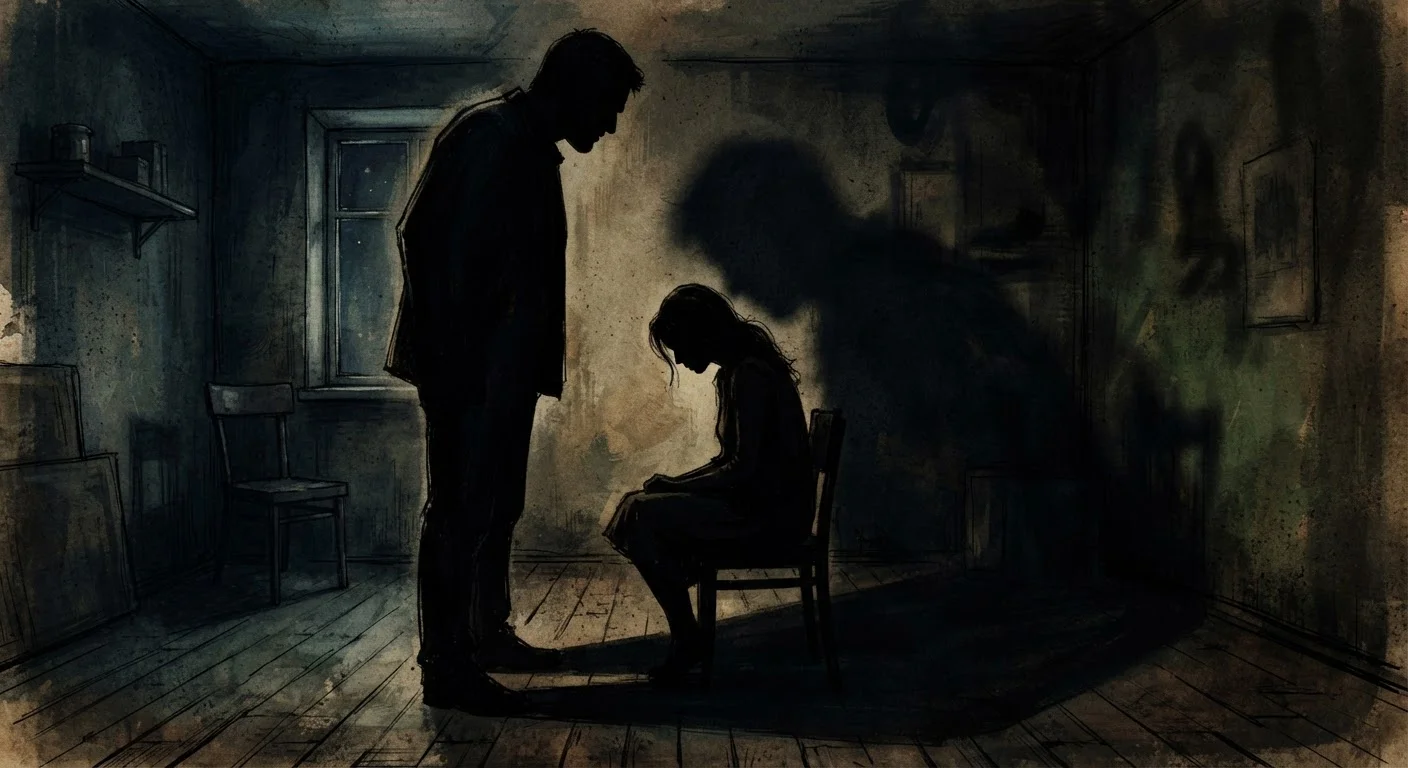
The word "toxic" gets used broadly in everyday conversation, but psychologists use it to point to something specific: relationships in which the recurring dynamic — not just the occasional bad day — causes measurable harm to a person's emotional or psychological wellbeing.
What separates a toxic relationship from a difficult one is pattern. Conflict, misunderstanding, and disappointment are normal parts of any close relationship. Toxicity is different: it involves repeated cycles of behavior that leave one or both people feeling diminished, unsafe, or chronically anxious. Over time, those cycles can become the norm — which is exactly what makes them so hard to identify from the inside.
If you're trying to assess your own situation, our self-reflection checklist walks through specific emotional and behavioral signals worth examining.
Toxicity Can Appear in Any Relationship
While much of the public conversation focuses on romantic partnerships, harmful dynamics can exist in friendships, family relationships, and workplace connections too. The core patterns — control, contempt, dismissal, manipulation — look similar across relationship types, even if the context differs. This article uses broad language intentionally to reflect that range.
The Core Patterns That Define Toxicity
While no two harmful relationships look identical, researchers and clinicians have identified a cluster of dynamics that reliably signal toxicity:
- Control and domination: One person consistently makes decisions for the other, monitors their behavior, or uses guilt, threats, or ultimatums to limit their autonomy.
- Contempt and chronic disrespect: Psychologist John Gottman's research identified contempt — expressed through mockery, eye-rolling, or belittling — as one of the strongest predictors of relationship breakdown.
- Emotional dismissal: A partner's feelings, concerns, or needs are regularly minimized, ridiculed, or ignored.
- Dishonesty and manipulation: Patterns of lying, half-truths, or deliberate distortion of reality undermine trust and the other person's confidence in their own perception.
- Isolation: Gradually cutting someone off from friends, family, or support networks — sometimes framed as protectiveness or love.
These patterns often don't appear all at once. They tend to escalate gradually, which is part of why people don't always recognize when a relationship has crossed into harmful territory. For plain-language definitions of specific behaviors like gaslighting and love-bombing, see our reference guide on toxic patterns.
“Contempt is the sulfuric acid of love. It is the single most corrosive behavior in relationships — far more damaging than conflict or disagreement alone.”
— John Gottman, Relationship researcher and co-founder of the Gottman Institute
Why Harmful Patterns Are Hard to See From the Inside
One of the most consistent findings in relationship research is that people inside harmful dynamics often struggle to name what's happening — and this isn't a sign of weakness or naivety. Several well-documented psychological mechanisms make toxic patterns genuinely difficult to perceive:
Gradual normalization: When harmful behavior escalates slowly, each step can seem like only a small shift from what came before. Over time, treatment that would have seemed unacceptable early on becomes familiar.
Intermittent reinforcement: Periods of warmth, affection, or apparent change between harmful episodes can sustain hope and deepen emotional attachment — making it harder to see the overall pattern clearly.
Self-doubt: Repeated questioning of one's perceptions, feelings, or memory — a hallmark of manipulative dynamics — can lead a person to distrust their own judgment about what's happening.
Understanding these mechanisms isn't about assigning blame; it's about recognizing that staying in or returning to a harmful relationship is a deeply human response to a complex situation. Many widely held beliefs also keep people stuck — our piece on common myths about toxic relationships examines those directly.
43%
Adults reporting psychological aggression by a partner
According to the CDC's National Intimate Partner and Sexual Violence Survey, roughly 43% of women and 38% of men report experiencing psychological aggression from an intimate partner in their lifetime.
3x
Increased depression risk in high-conflict relationships
Research published in peer-reviewed psychology journals suggests people in chronically high-conflict or controlling relationships face significantly elevated rates of depression compared to those in low-conflict partnerships.
The Real Cost — and the Path Forward
Chronic exposure to harmful relationship dynamics carries genuine psychological consequences. Research consistently links these experiences to elevated rates of anxiety, depression, and reduced self-esteem. Our article on the mental health impact of toxic relationships explores what the evidence says in more detail.
Recognizing a pattern — even just beginning to name it — is a significant and often difficult first step. It doesn't require certainty, and it doesn't automatically mean a relationship must end. What it does mean is that you have information you didn't have before, and that information opens options.
Speaking with a licensed therapist, particularly one experienced in relational trauma, can help you make sense of your experience without pressure or judgment. If safety is an immediate concern, the National Domestic Violence Hotline (1-800-799-7233) is available around the clock.
Contrast what you're experiencing with what healthy communication actually looks and feels like — not as a source of shame, but as a reference point for what's genuinely possible in relationships.
You Don't Need Certainty to Seek Support
Many people wait until they feel completely sure that a relationship is harmful before they talk to anyone. But uncertainty itself is a valid reason to reach out. A therapist or counselor can help you explore what you're experiencing without requiring you to have it all figured out first. You don't need to have a label for it to deserve support.
This article is for general informational and educational purposes only. It is not a substitute for professional mental health advice, diagnosis, or treatment. If you are concerned about your safety or wellbeing, please reach out to a qualified healthcare provider or crisis service.