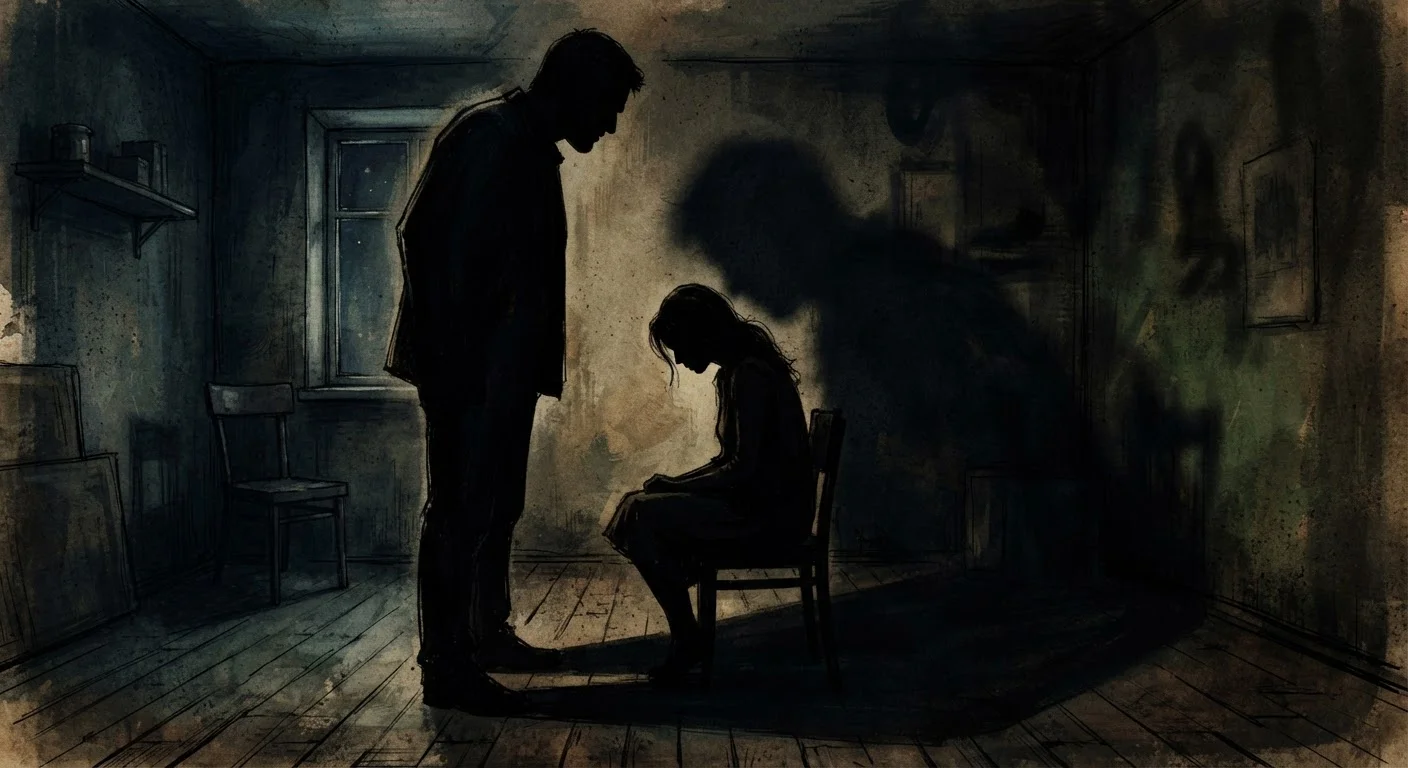

How to Use This Checklist
This self-reflection tool is designed to help you pause and honestly assess your relationship — whether romantic, familial, or a close friendship. It is not a diagnostic instrument, and checking items here does not mean a relationship is definitively harmful. Context matters. What this checklist can do is help you notice patterns that may deserve closer attention.
Work through each group slowly. You may find it helpful to journal your responses rather than simply scanning. If you identify multiple signs across several categories, consider speaking with a therapist or counselor who can offer personalised support. For context on specific behaviours you may be encountering, our guide to toxic patterns like gaslighting and love-bombing offers clear, plain-language definitions.
Personal journal or notebook
Helps you record honest reflections as you work through the checklist, without pressure to share them.
Licensed therapist or counselor
Provides professional support for processing what you discover and exploring next steps safely.
Crisis or support helpline
Offers immediate, confidential support if you feel unsafe or overwhelmed at any point.
The Self-Reflection Checklist
Go through each category below. Notice which items resonate — and be honest with yourself. There are no wrong answers here, only information that belongs to you.
How You Feel in the Relationship
Patterns of Control and Criticism
Communication and Conflict
Isolation and Outside Relationships
Impact on Your Daily Life and Health
Patterns Rooted in Your History
If You Feel Unsafe, Please Seek Help Now
If this relationship involves physical violence, threats, or fear for your safety, please reach out to emergency services or a domestic violence helpline in your area. In the US, the National Domestic Violence Hotline can be reached at 1-800-799-7233 or by texting START to 88788. Your safety takes priority over everything else in this checklist.
What to Do If You Recognise These Signs
Seeing yourself reflected in this checklist can bring up a range of emotions — relief, grief, confusion, or even doubt. All of those responses are valid. Recognising a problem is not the same as knowing what to do next, and that uncertainty is normal.
A few grounded starting points:
- Name what you're feeling. Putting a label on your experience — even privately — can reduce its power to overwhelm you.
- Reach out to someone you trust. Isolation is one of the most common effects of toxic dynamics. A trusted friend, family member, or support line can help you feel less alone.
- Consider professional guidance. A licensed therapist can help you process what you've noticed and explore your options without pressure. If cost or access is a barrier, community mental health centers and sliding-scale services exist in many areas.
- Understand that patterns can follow us. Unresolved dynamics sometimes resurface in new relationships. Our article on how toxic relationship patterns carry forward can help you understand why that happens.
If you are in immediate danger, please contact emergency services or a crisis line in your area. Your safety is the first priority.
Avoid Making Major Decisions Alone Under Pressure
If you've recognised several warning signs, resist the urge to make abrupt, high-stakes decisions — such as immediately ending or radically changing the relationship — without support. Sudden changes can sometimes escalate risk, particularly in controlling relationships. A qualified professional can help you assess your situation and plan thoughtfully.
It is also worth reflecting on what healthy connection looks and feels like. Our guide to recognising genuine community support offers a useful counterpoint. And if you've noticed that tension and conflict frequently escalate, the communication self-check for moments of tension may also be helpful.
This article is for general informational and educational purposes only. It is not a substitute for professional mental health advice, diagnosis, or treatment. If you have concerns about your mental health or safety, please consult a qualified healthcare professional.