
Why the Past Doesn't Stay in the Past
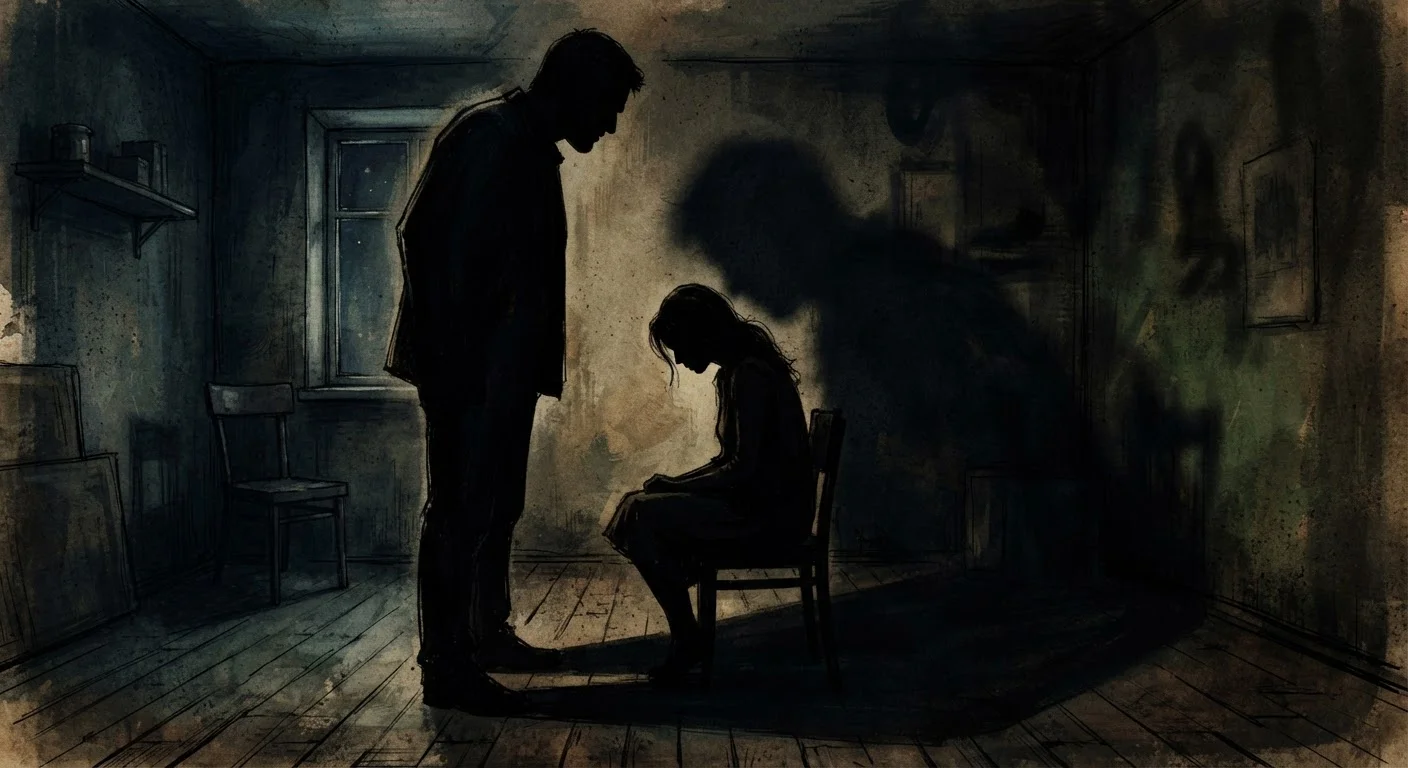
It can be disorienting to enter a new relationship with genuine hope — only to find familiar dynamics taking shape. A different person, a different setting, but the same emotional territory. This experience is more common than many people realize, and it has a psychological basis worth understanding.
When we experience repeated or emotionally significant relational harm — whether in a romantic relationship, a family system, or both — our nervous systems adapt. We develop expectations about what relationships feel like, what we deserve, and what conflict or intimacy means. These expectations don't automatically reset when a relationship ends. They travel with us.
This isn't weakness. It's the mind doing what it was designed to do: learn from experience and prepare for the future. The problem arises when those learned responses no longer serve us — when they draw us toward dynamics that feel familiar precisely because they echo old pain.
This Is Not About Blame
Understanding that you carry patterns from past relationships is not an invitation to blame yourself — or to excuse harmful behavior from others. These dynamics are often the result of experiences that were not your fault. The goal of awareness is agency, not self-criticism.
The Psychological Mechanisms Behind Repeated Patterns
Several overlapping processes explain why harmful patterns persist across relationships.
Attachment Styles
Attachment theory, developed by psychologist John Bowlby and expanded by later researchers, holds that early caregiving relationships create internal models of how close relationships work. If those early relationships involved inconsistency, emotional unavailability, or fear, adults may develop anxious, avoidant, or disorganized attachment patterns — each of which shapes how they seek out and respond to intimacy.
Trauma Responses
Exposure to relational trauma — including manipulation, control, or chronic emotional harm — can dysregulate the nervous system. Hypervigilance, emotional numbing, or compulsive caretaking can all become default modes that influence new relationships. For a plain-language explanation of specific harmful dynamics, see our reference guide to gaslighting, love-bombing, and other toxic patterns.
Familiarity Bias
The human brain often equates familiarity with safety, even when the familiar thing is harmful. A relationship dynamic that mirrors early experiences of emotional chaos or withdrawal may feel more comfortable — more like love — than a genuinely stable connection, at least initially.
~50%
Adults with insecure attachment styles
Research consistently estimates that roughly half of adults develop insecure attachment styles, which can influence relationship patterns across the lifespan.
3 in 4
Survivors who report similar patterns in later relationships
Studies on intimate partner violence survivors suggest a significant proportion identify similarities between abusive relationships and subsequent ones, underscoring the persistence of relational templates.
Recognizing the Signs in Your Own Life
Patterns rarely announce themselves clearly. They tend to surface as recurring feelings: a sense of walking on eggshells, consistently putting others' needs ahead of your own, or feeling responsible for managing a partner's emotions. You might notice that your relationships tend to follow similar arcs, or that you're drawn to people who feel emotionally familiar in ways that don't serve you.
Some patterns have roots in family of origin dynamics that predate any romantic relationship. Unhealthy family patterns absorbed in childhood can form the original template from which later relational blueprints are drawn. Similarly, intergenerational trauma can mean that some patterns were shaped before we were even born.
Reflection Can Reveal Recurring Themes
Consider keeping a journal focused not on events but on feelings — particularly moments where your emotional reaction felt larger than the situation seemed to warrant. Patterns often show up first as disproportionate emotional responses. Bringing this kind of material to a therapist can be especially productive.
What Awareness Makes Possible
Identifying a pattern isn't a solution on its own — but it is a precondition for change. Without awareness, old responses run automatically. With it, there's at least a moment of choice.
Working with a licensed therapist, particularly one trained in trauma-informed or attachment-based approaches, can help map how past experiences are shaping present behavior. This isn't about relitigating the past indefinitely — it's about updating the internal models that were formed under earlier, often more limited circumstances.
Healing is also not linear. Recognizing a pattern, then finding yourself in it again, does not mean failure. It means the process is ongoing. If a harmful relationship has left you feeling uncertain of who you are, the work of rebuilding your sense of self is a meaningful next step.
This article is for general informational and educational purposes only and is not a substitute for professional mental health advice, diagnosis, or treatment. If you are struggling with the effects of a harmful relationship, please consider reaching out to a licensed mental health professional.