What Is Intergenerational Trauma?
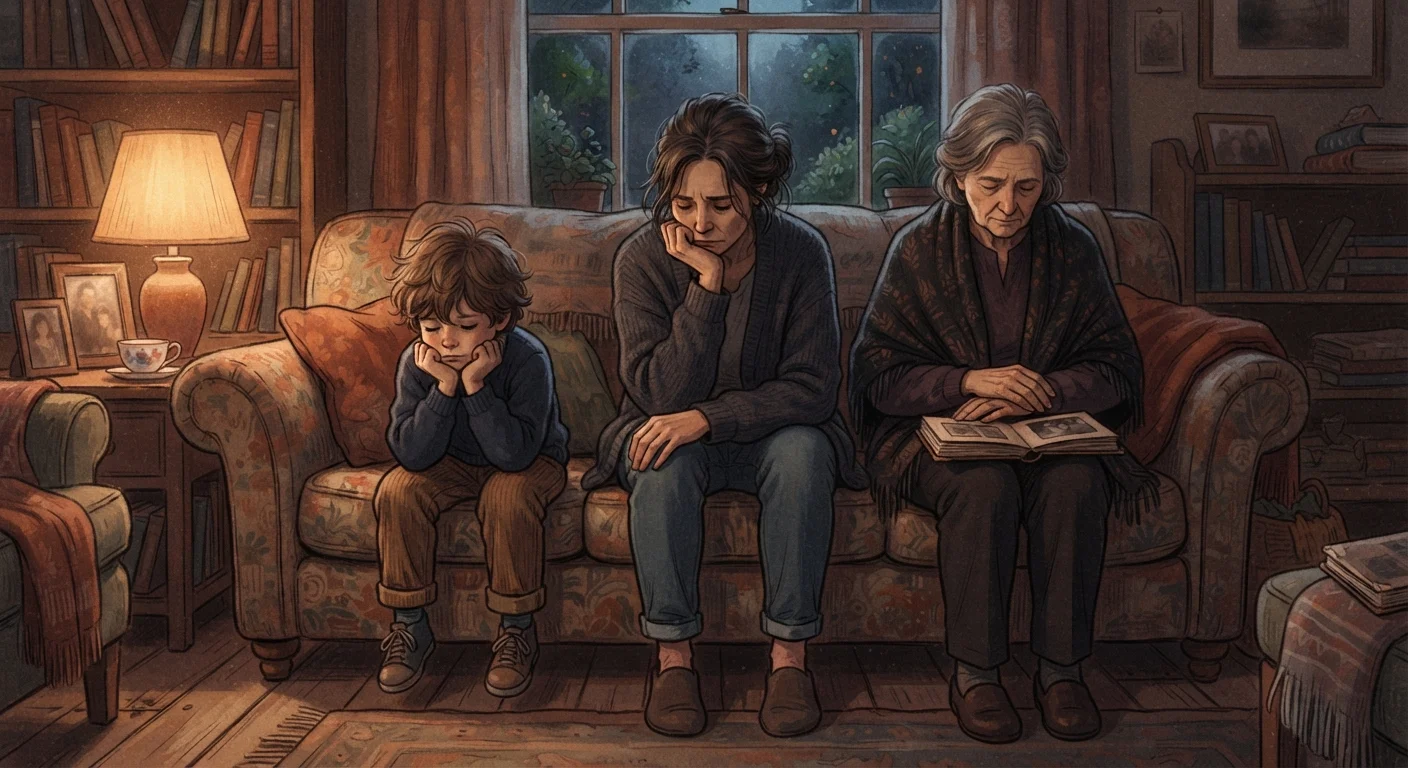
Intergenerational trauma — sometimes called transgenerational or multigenerational trauma — refers to the way that the psychological and emotional effects of traumatic experiences can be passed from one generation to the next. It is not the idea that trauma is genetically inherited like eye color. Rather, it describes how unresolved trauma shapes parenting behaviors, family communication patterns, emotional regulation, and relational dynamics in ways that affect children, and potentially grandchildren, even when those younger generations did not directly experience the original event.
Research into this phenomenon gained significant momentum from studies of Holocaust survivors and their descendants, Indigenous communities affected by colonial violence, and families touched by war, displacement, and systemic racism. Clinicians and researchers observed that descendants often exhibited trauma-related symptoms — heightened anxiety, emotional numbing, difficulties with trust — without direct exposure to the original trauma.
This is general educational information, not a clinical diagnosis or treatment recommendation. If you recognize yourself in this article, speaking with a qualified mental health professional is always a worthwhile next step.
3 generations
Depth of documented trauma transmission
Studies of Holocaust survivor families observed measurable psychological effects in survivors, their children, and in some cases grandchildren.
~40%
Adults with insecure attachment styles
Research in attachment theory estimates roughly 40% of adults develop insecure attachment patterns, many rooted in early caregiving experiences.
1 in 3
Adults who report childhood adversity affecting adult health
The CDC's Adverse Childhood Experiences (ACEs) research links early family adversity to a range of adult mental and physical health outcomes.
How Trauma Is Transmitted Across Generations
Understanding how trauma travels through families helps demystify patterns that can otherwise feel inexplicable or shameful. Researchers generally describe several overlapping channels:
- Behavioral and relational modeling: Children learn how to manage emotions, conflict, and intimacy largely by observing caregivers. A parent who survived trauma may unconsciously model hypervigilance, emotional withdrawal, or explosive reactions — and children absorb these as the baseline of "normal."
- Disrupted attachment: Trauma can interfere with a caregiver's capacity for consistent, attuned responsiveness. When early attachment is insecure or disorganized, children may develop chronic anxiety, difficulties self-regulating, or persistent feelings of unworthiness that follow them into adult relationships. See how unresolved relational patterns resurface for more on this dynamic.
- Narrative and silence: Families that cannot speak about what happened — because it is too painful, or because shame or secrecy prevails — leave children to fill gaps with anxiety and self-blame. Conversely, families that convey trauma through unprocessed storytelling can inadvertently transfer fear and grief.
- Epigenetic influences (emerging research): Some researchers propose that significant stress may leave biological marks on gene expression that could influence stress-response systems in offspring. This field is still developing, and findings should not be overstated; the behavioral and relational channels above are better established.
When you notice a strong emotional reaction that feels larger than the situation warrants, pause and ask: "Is this feeling familiar? Where else have I felt this?" That question alone can open a window into inherited patterns.
Trauma responses are often triggered by present-day cues that unconsciously mirror past experiences. Building the habit of pausing and reflecting — rather than reacting — is a foundational skill in trauma-informed self-awareness.
Journaling about family patterns without judgment — simply describing what you observed, not assigning fault — can help you begin to separate your inherited story from your chosen one.
Narrative processing is a well-supported therapeutic technique. Externalizing experiences through writing helps the brain shift from reactive emotional processing to more reflective, integrative thinking.
Recognizing the Signs in Your Own Life
Intergenerational trauma rarely announces itself clearly. More often, it shows up as patterns that feel deeply personal but may have roots much older than your own history. Some common indicators include:
- Persistent anxiety or shame that seems disproportionate to current circumstances
- Difficulty trusting others or forming secure, stable relationships
- Emotional numbness or difficulty identifying your own feelings
- Repeating relationship dynamics that mirror what you witnessed growing up
- A strong, unexplained sense of loyalty to family rules or roles that no longer serve you
Many of these patterns overlap with what clinicians observe in trauma responses more broadly. For context on how trauma symptoms vary across life stages, the article PTSD Across the Lifespan offers helpful framing.
Recognizing a pattern is not the same as being defined by it. Awareness is genuinely the first step — and it is a step worth taking.
Pattern Recognition Is Not Self-Diagnosis
Recognizing family patterns in yourself is a meaningful step, but it is not the same as a clinical assessment. Avoid the temptation to pathologize yourself or your family based on general information alone. A trained mental health professional can offer context, nuance, and personalized support that articles cannot provide.
The Role of Family Systems
Families function as systems, meaning that rules, roles, and dynamics are maintained by every member — often unconsciously. Family systems theory, developed by psychiatrist Murray Bowen and others, holds that individuals cannot be fully understood outside the context of their family network. Roles like "the responsible one," "the scapegoat," or "the peacekeeper" are assigned early and can persist well into adulthood, long after the original family context has changed.
Unhealthy family patterns absorbed in childhood can surface in adult workplaces, friendships, and romantic partnerships in ways that feel confusing or self-defeating. Understanding those origins — not to assign blame, but to gain clarity — is central to change. It is also worth examining what common misconceptions about dysfunctional families may be shaping how you interpret your own experience.
“The most important thing that parents can do for their children is to work through their own unresolved issues. It's not about being a perfect parent — it's about being a reflective one.”
— Daniel J. Siegel, Clinical Professor of Psychiatry, UCLA School of Medicine, and author on interpersonal neurobiology
Pathways Toward Breaking the Cycle
Breaking a generational cycle is not a single dramatic decision — it is an ongoing, imperfect process of awareness, choice, and support. Several approaches are supported by clinical evidence and therapeutic practice:
- Trauma-informed therapy: Modalities such as EMDR (Eye Movement Desensitization and Reprocessing), Internal Family Systems (IFS), and trauma-focused CBT are designed to help people process experiences that have shaped their emotional lives. A licensed therapist can help identify which approach suits your history and needs.
- Building a coherent personal narrative: Research by developmental psychologist Mary Main found that adults who can tell a coherent, reflective story about their childhood — even a painful one — are more likely to raise securely attached children. Reflective capacity matters more than having had a perfect past.
- Cultivating new relational experiences: Healthy friendships, supportive partnerships, and community connection provide lived evidence that relationships can feel safe. These experiences gradually update the nervous system's learned expectations.
- Setting limits that protect your well-being: Changing how you engage with family does not require cutting ties. It often means learning to respond differently to old patterns — a skill that can be developed with professional guidance. Understanding the difference between healthy conflict and chronic harm can help clarify what boundaries are genuinely needed.
Change is possible. It is rarely linear, and it does not require perfection. Building the kind of resilience that interrupts inherited patterns is part of what the growth mindset literature consistently points toward — the capacity to engage with difficulty as something to learn from rather than evidence of permanent limitation.
Start With Curiosity, Not Blame
Exploring intergenerational trauma works best when approached with curiosity rather than the intent to assign fault. Your caregivers were also shaped by forces beyond their choosing. Understanding that context makes it easier to hold both compassion for them and honesty about the impact of their behavior on you.
This article is for general informational and educational purposes only and is not a substitute for professional mental health advice, diagnosis, or treatment. If you are struggling, please reach out to a qualified mental health professional or contact a crisis support line in your area.