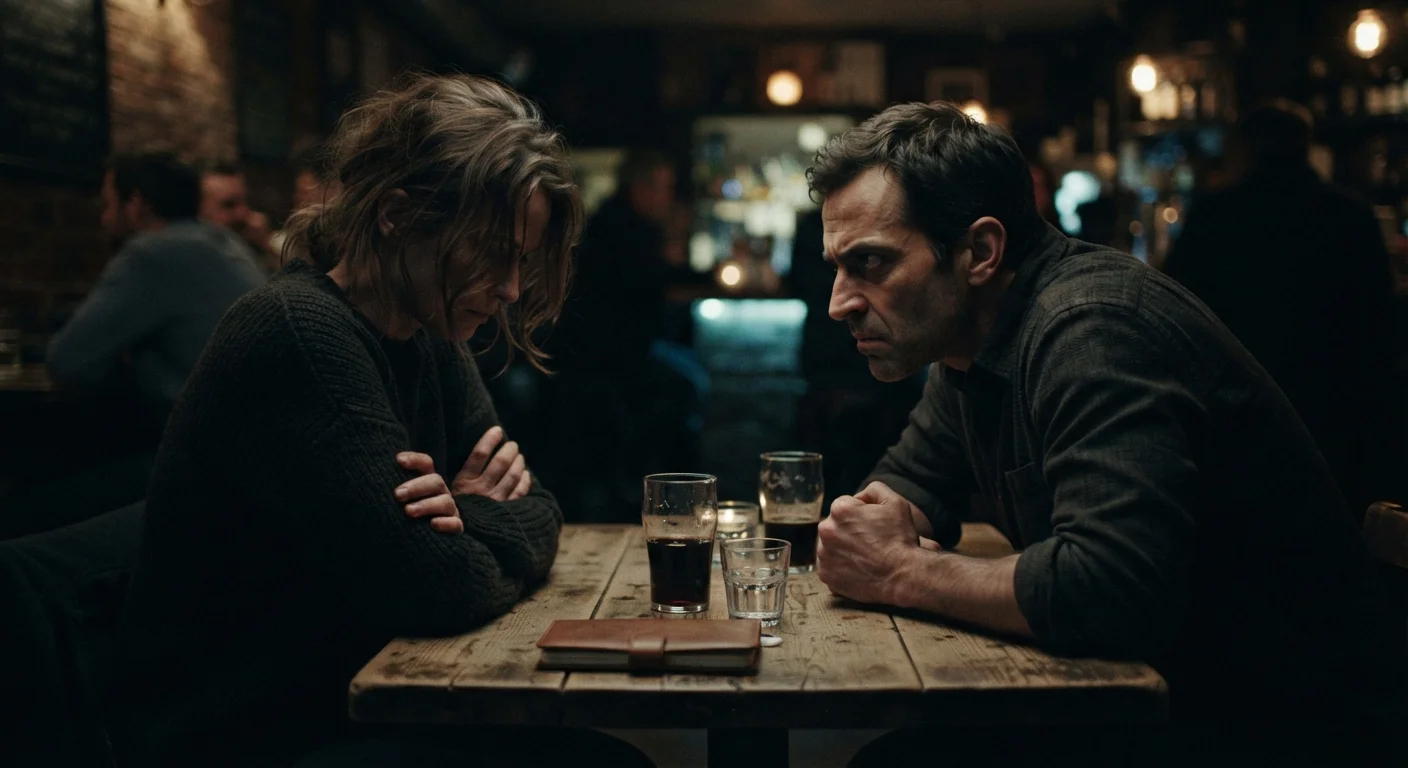

Why the Distinction Matters
Every relationship — romantic, familial, or platonic — involves disagreement. The presence of conflict alone does not signal something is wrong. What matters far more is the nature of that conflict: does it move toward resolution, or does it leave one or both people feeling consistently diminished, unsafe, or unheard?
Researchers in relationship psychology, including work built on John Gottman's long-term studies of couples, suggest that how people handle disagreement is often a stronger predictor of relationship health than how often they disagree. Conflict handled with respect can actually deepen trust. Conflict marked by contempt, stonewalling, or repeated humiliation can quietly erode it.
Understanding this difference matters because it shapes the kind of help you seek — and whether you seek it at all. If you've been wondering whether what you're experiencing is "just normal," you're not alone. That uncertainty is one of the most common reasons people delay getting support. Our guide on common myths about relationship conflict explores how widespread misconceptions can make disagreements harder to navigate.
| Criterion | Healthy Conflict | Chronic Harm |
|---|---|---|
| Focus of disagreement | Specific issues or behaviors | Character, worth, or identity |
| Emotional safety | Both people feel safe to speak | One person fears speaking honestly |
| Power balance | Roughly equal between both people | One person controls or coerces |
| After the conflict | Repair and reconnection occur | Lingering fear, shame, or confusion |
| Pattern over time | Conflicts evolve and resolve | Same wounds reopened repeatedly |
| Effect on self-esteem | Largely intact | Gradually eroded |
What Healthy Conflict Actually Looks Like
Healthy conflict is not quiet, painless, or always comfortable. It can involve raised voices, tears, and real frustration. What sets it apart is what happens beneath the surface and afterward.
- Both people feel safe speaking honestly, even when what they say is hard to hear.
- Disagreements are about specific issues, not attacks on each other's character or worth.
- Repair happens. After a difficult exchange, both people make genuine efforts to reconnect — through apology, humor, affection, or simply acknowledging what was said.
- Power feels roughly equal. Neither person uses threats, manipulation, or withdrawal of basic respect as a tool to win.
Healthy conflict can be loud or quiet, frequent or rare. What it consistently involves is a shared commitment to the relationship that survives — and is often strengthened by — the friction. For more on core communication skills that reduce conflict, our hub on healthy communication offers practical, evidence-grounded starting points.
Recognizing Patterns of Chronic Harm
Chronic harm in a relationship is often gradual — which is part of what makes it so difficult to recognize from the inside. It rarely announces itself clearly. Instead, it accumulates through repeated cycles that leave one person feeling smaller, more anxious, or more isolated over time.
Common patterns associated with chronic relational harm include:
- Contempt and degradation — mockery, name-calling, or consistent dismissal of a person's thoughts and feelings.
- Control and monitoring — attempts to limit who someone sees, where they go, or how they spend their time.
- Gaslighting — a pattern where one person's perception of events is repeatedly denied or minimized, leading them to doubt their own memory and judgment.
- Chronic criticism targeting identity — not "you forgot to call" but "you're worthless and always will be."
- Fear as a baseline — feeling anxious about how a partner will react to ordinary events.
These patterns do not have to involve physical violence to be serious. Psychological and emotional harm carry their own significant weight. Understanding what psychologists mean by toxic relationships can help you see these dynamics more clearly.
Harm Doesn't Require Physical Violence
Many people hesitate to name their experience as harmful because it doesn't match a dramatic image of abuse. But emotional and psychological patterns — persistent contempt, isolation, gaslighting — are recognized by mental health professionals as genuinely damaging. The absence of physical harm does not mean a relationship dynamic is safe or healthy. If something consistently makes you feel worse about yourself, that experience is worth taking seriously.
It's also worth noting that harmful patterns established in one relationship can shape how we show up in future ones. If you've left a difficult dynamic and find old feelings resurfacing, the article on how toxic relationship patterns can follow us into new ones explains the psychological mechanisms involved.
Taking an Honest Look — and Knowing When to Reach Out
If you've read this far and feel uncertain, that uncertainty deserves attention — not dismissal. Recognizing when a pattern has crossed a line often requires some distance and honest reflection, and sometimes that process is best done with support.
A licensed therapist or counselor — especially one trained in relationship dynamics — can help you explore your experience without telling you what to do. Their role is to support your clarity, not to make decisions for you. If you're in immediate danger, please contact the National Domestic Violence Hotline at 1-800-799-7233 or text START to 88788.
43%
Adults reporting psychological aggression by a partner
The CDC's National Intimate Partner and Sexual Violence Survey found that approximately 43% of women and 38% of men reported experiencing psychological aggression from an intimate partner in their lifetime.
1 in 3
People affected by intimate partner violence
According to the CDC, roughly one in three women and one in four men in the US have experienced physical violence, stalking, or psychological aggression from an intimate partner.
Whatever you're navigating, the fact that you're asking these questions reflects real self-awareness. That awareness is where change begins.
This article is for general informational and educational purposes only and is not a substitute for professional mental health advice, diagnosis, or treatment. Please consult a qualified mental health professional for guidance specific to your situation.