
The Family as a System, Not Just a Group
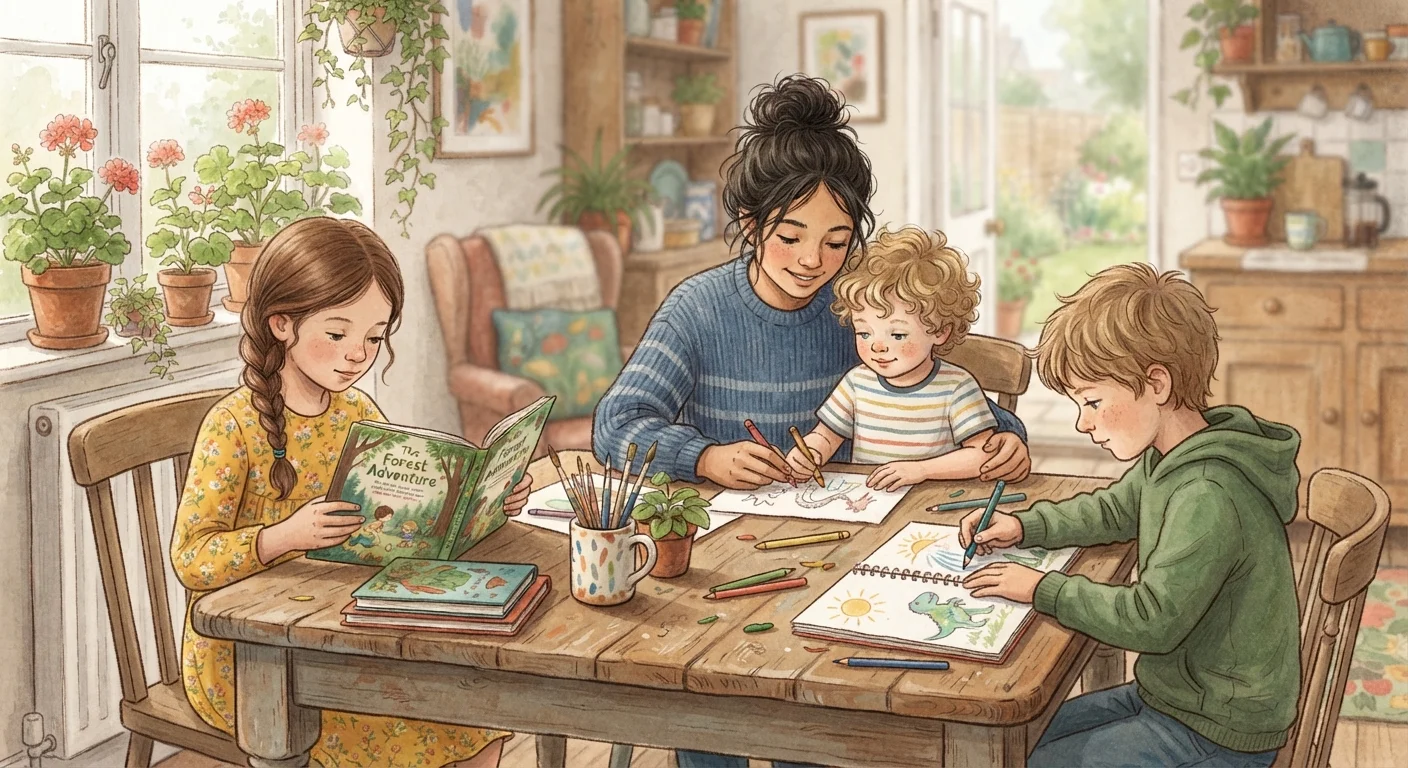
Most of us grow up thinking of our family as simply the people we live with. Family systems theory offers a more nuanced lens: your family is a living emotional system, and you are one node within it. Each member's actions, moods, and coping strategies respond to and influence the others — often in ways no one consciously plans.
This idea, foundational to modern family therapy, helps explain puzzles like why anxiety seems to run in families, why one sibling thrives while another struggles, or why leaving home doesn't always mean leaving old patterns behind. The system's logic tends to persist — even when its members scatter.
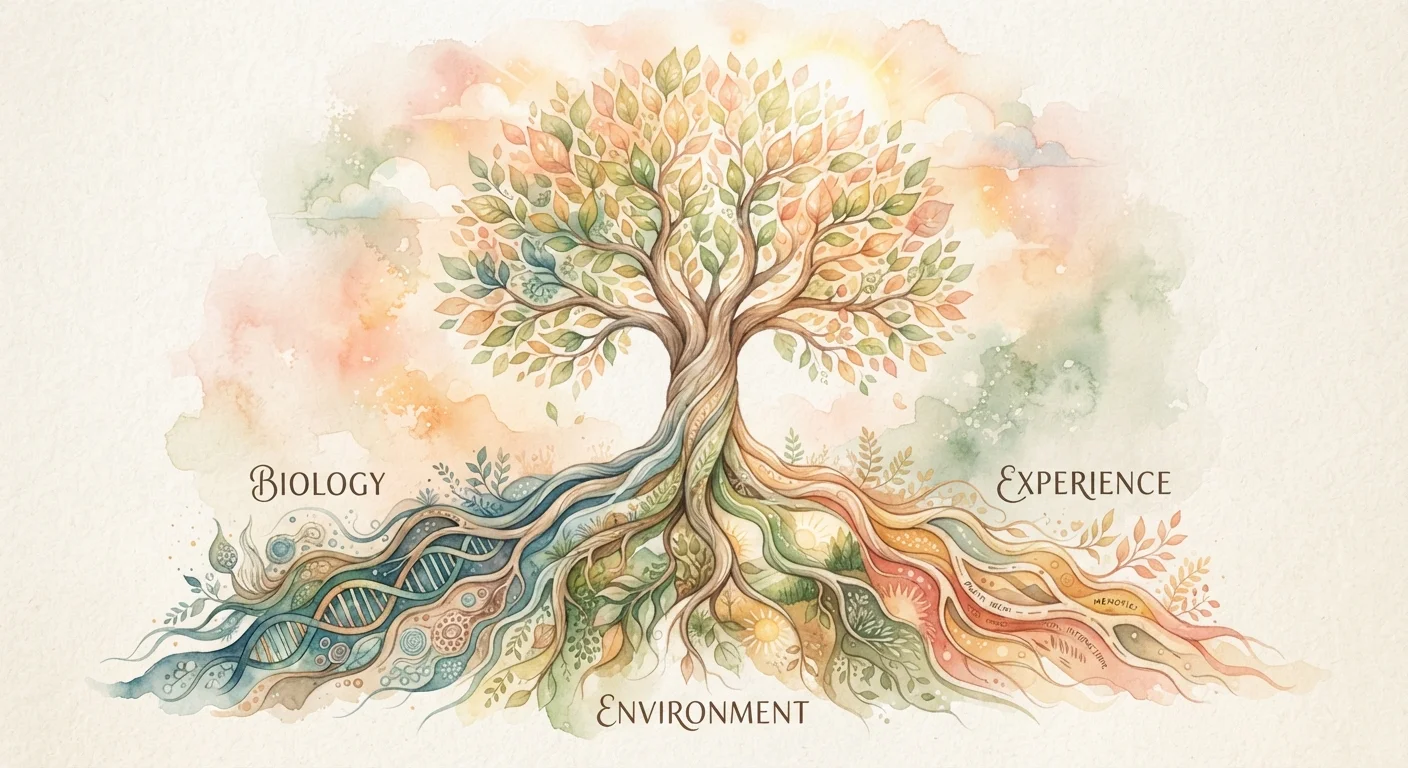
Understanding your place within a family system isn't about assigning blame. It's about gaining clarity. When you can see the patterns, you gain more freedom to choose how you respond to them. Biology, environment, and experience all shape mental health — and family dynamics sit squarely at the intersection of all three.
Family Systems vs. Individual Therapy
Family systems theory can inform both individual and group therapy. You don't need to attend sessions with your family to benefit from this lens — many people gain significant insight by exploring their family-of-origin dynamics in one-on-one therapy. The goal is self-understanding, not necessarily family-wide participation.
Core Concepts You'll Encounter
Several key ideas within family systems theory help explain how these dynamics work:
- Differentiation of self: The ability to maintain your own sense of identity and values while staying emotionally connected to family members. Lower differentiation is associated with greater reactivity and difficulty managing stress independently.
- Triangles: When tension builds between two people, a third person is often pulled in to reduce that tension. A child caught between two arguing parents is a classic example. Triangles are the basic building blocks of larger family relationship patterns.
- Family roles: Informal roles — the responsible one, the rebel, the peacemaker — emerge in response to the family's emotional climate and can become fixed over time. These roles serve the system's stability, even when they aren't healthy for the individual carrying them. Sibling roles and birth order interact with these dynamics in complex ways.
- Boundaries: Healthy families maintain clear but permeable boundaries — rules about where one person's emotional responsibility ends and another's begins. Overly rigid or diffuse boundaries can create difficulties that follow members into adult life.
- Multigenerational transmission: Patterns of relating, coping, and emotional regulation are passed down across generations — not genetically, but through modeled behavior and absorbed expectations.
75%
Adults reporting childhood family stress affects adult relationships
Survey data consistently show the majority of adults acknowledge their family of origin continues to influence their adult relational patterns, according to research in family psychology.
3+ generations
Span of multigenerational pattern transmission
Bowen's clinical observations, supported by subsequent family research, suggest emotional and relational patterns can transmit across at least three generations within a family system.
~60%
Family therapy clients reporting improved communication
Research on family-based therapeutic approaches suggests meaningful improvements in communication and relational functioning among many participants, though outcomes vary widely by context and approach.
How Family Patterns Follow You Into Adulthood
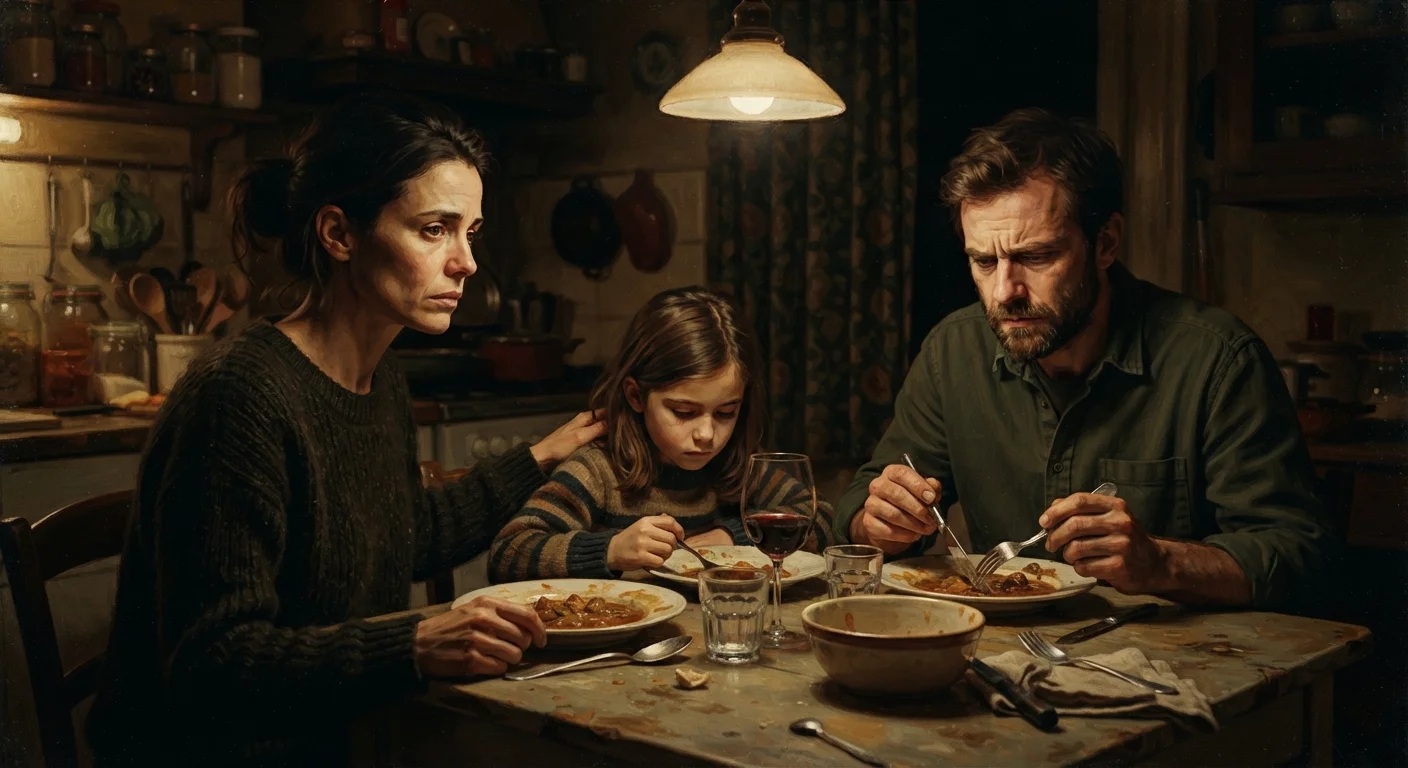
The emotional logic of the family system doesn't automatically dissolve when you leave home. Adults often find themselves replaying familiar dynamics in friendships, romantic partnerships, and even workplaces — not because they choose to, but because those patterns were learned early and felt like the rules of how relationships work.
Someone who grew up in a highly enmeshed family — where emotional boundaries between members were blurred — may find it difficult to assert their own needs without feeling guilty, or struggle with the sense that closeness requires total emotional merger. Growing up in an enmeshed family explores this dynamic in depth.
Equally common is the experience of recognising unhealthy family patterns as an adult — perhaps in moments of conflict or intimacy — and feeling suddenly, uncomfortably, like a younger version of yourself.
What Happens When One Person Tries to Change
One of the more counterintuitive insights from family systems theory is that when one member begins to change — setting new limits, behaving differently, pursuing therapy — the rest of the system often pushes back. This isn't malice; it's the system maintaining equilibrium. Families are wired to preserve familiar patterns, even when those patterns cause pain.
This resistance can feel like a wall, but it isn't permanent. Sustained individual change does ripple through the system over time, even when other members don't consciously participate. Understanding why families resist change can make that process feel less isolating.
If you're working to understand your family's influence on your mental health, a therapist trained in family systems or related approaches can offer grounded, personalized support. This article provides general educational information and is not a substitute for professional mental health care.
“The family is a system. If you want to understand why one person acts the way they do, you have to understand the system they came from.”
— Murray Bowen, Psychiatrist and founder of Bowen Family Systems Theory
This article is for informational purposes only and is not a substitute for professional mental health advice. If you have concerns about your mental health or relationships, please speak with a qualified healthcare or mental health professional.