
Why Age Changes Everything About PTSD
Post-traumatic stress disorder (PTSD) is a mental health condition that can develop after a person experiences or witnesses a deeply threatening event. Most people have heard of it in the context of military combat, but trauma takes many forms - accidents, abuse, natural disasters, sudden loss - and so does the condition that can follow. For a broader look at who is affected, see PTSD Is Not Just a Soldier's Diagnosis.
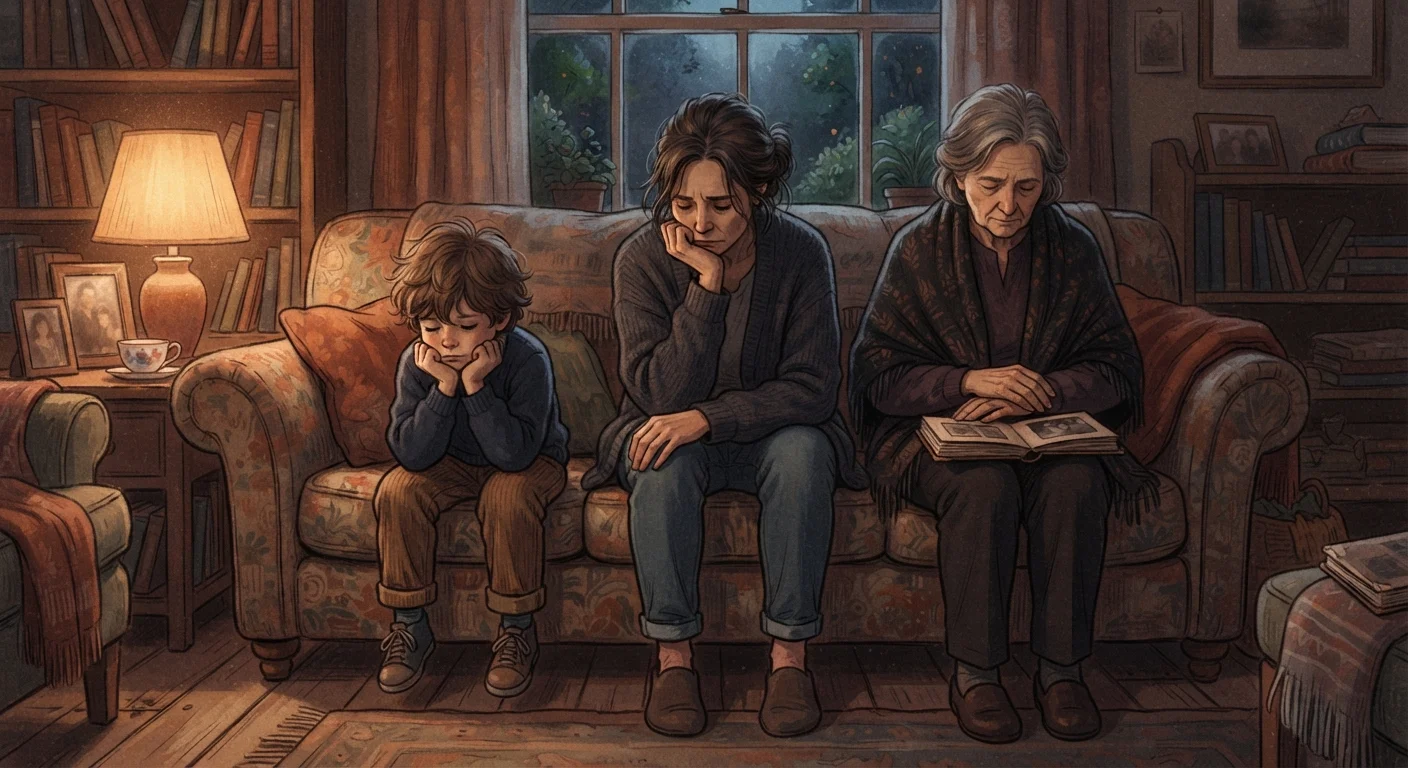
What is less widely understood is that PTSD does not present the same way across the lifespan. A child's developing brain processes danger differently than an adult's. An older person carries decades of life experience that shape how - or whether - they recognize distress in themselves. These differences matter because a symptom that is obvious in one age group may be easy to miss or misread in another.
This article breaks down how PTSD tends to look at three major life stages, so readers can recognize the signs more readily in themselves and in the people they care about. For a foundational overview of the condition, Understanding PTSD: A Starting Point for Anyone Affected by Trauma is a helpful place to begin.
How Symptoms Compare Across Age Groups
The table below summarizes how core PTSD symptom clusters typically present at each life stage. Keep in mind that individuals vary widely, and no single pattern applies to everyone.
| Children (Under 12) | Adolescents (12-17) | Adults (18-64) | Older Adults (65+) | |
|---|---|---|---|---|
| Re-experiencing trauma | Repetitive trauma-themed play; nightmares without clear content | Flashbacks; intrusive memories similar to adults | Vivid flashbacks; intrusive thoughts and memories | Intrusive memories; may be mistaken for rumination or dementia |
| Avoidance | Avoids reminders; refuses to discuss event | Withdraws from friends; avoids trauma reminders | Avoids people, places, thoughts linked to trauma | Social withdrawal; may frame it as preference for routine |
| Mood and thinking changes | Regression; new fears; separation anxiety | Irritability; hopelessness; risk-taking behavior | Emotional numbing; negative self-view; guilt or shame | Depression; feeling disconnected; loss of interest in life |
| Hyperarousal (heightened alertness) | Sleep problems; startle response; tantrums | Concentration difficulties; sleep disturbance; irritability | Hypervigilance; exaggerated startle; insomnia | Sleep disruption; often attributed to age-related changes |
| Physical complaints | Frequent stomachaches; headaches; no medical cause | Somatic complaints; fatigue | Less common but possible; includes tension and pain | Frequent medical visits; physical symptoms mask distress |
| Recognition challenge | Behavior not linked to trauma by caregivers | Mistaken for typical teenage behavior | Stigma; reluctance to seek help | Attributed to aging, grief, or physical illness |
These patterns reflect general tendencies documented in clinical research. Not every person will fit neatly into one column, and a qualified mental health professional is the right person to evaluate any specific situation.
PTSD in Children: When Behavior Speaks Louder Than Words
Children, especially those under 6, lack the vocabulary and emotional framework to say "I keep reliving what happened." Instead, they may act it out. A preschooler who repeatedly re-enacts a frightening event during play - without the relief that normal play brings - may be showing a trauma response. School-age children sometimes develop new fears, regress to younger behaviors like bedwetting, or become clingy in ways that feel out of proportion to their age.
Physical complaints are common too. Stomachaches and headaches with no clear medical cause can be the body's way of expressing distress the child cannot name. Sleep disturbances, nightmares, and difficulty concentrating at school are also frequent signs.
What Caregivers Can Watch For
After a frightening event, watch for changes in a child's play, sleep, appetite, or school performance that persist for more than a few weeks. A return to behaviors the child had outgrown - like thumb-sucking or bedwetting - can also signal distress. These changes alone do not confirm PTSD, but they are worth raising with a pediatrician or child mental health professional.
Adolescents tend to look more like adults, showing avoidance, emotional numbness, irritability, and risk-taking behavior. They may withdraw from friends or activities they previously enjoyed. Some teens turn to substances as an attempt to manage overwhelming feelings - a pattern that itself warrants attention.
Trauma in childhood can also ripple outward across generations. Breaking Generational Cycles: Understanding Intergenerational Family Trauma explores how unaddressed trauma can shape family patterns over time.
PTSD in Adults: The Classic Profile - and Its Variations
The symptom picture most widely recognized in public awareness - intrusive memories, flashbacks, avoidance of reminders, emotional numbing, and heightened alertness - reflects how PTSD most commonly presents in working-age adults. These symptoms can emerge within weeks of a traumatic event, though some people experience a delayed onset months or even years later.
Adults with PTSD often describe a persistent sense of threat even in safe environments. They may startle easily, struggle to sleep, feel detached from loved ones, or lose interest in activities they once found meaningful. Irritability and anger - sometimes disproportionate to the situation - are also well-documented features.
Not everyone who develops PTSD has an obvious single traumatic event in their history. Some adults experience what researchers describe as complex PTSD, which can develop after prolonged or repeated trauma such as childhood abuse or domestic violence. This form can involve greater difficulty regulating emotions and a more pervasive disruption of self-identity. Understanding why some people develop PTSD after trauma while others do not is explored in Risk and Resilience: Why Some People Develop PTSD After Trauma and Others Don't.
PTSD in Older Adults: The Hidden Burden
PTSD is often underrecognized in older adults for several reasons. Some grew up in generations where emotional stoicism was expected, making them less likely to name or report psychological distress. Others may attribute their symptoms - poor sleep, social withdrawal, irritability, a sense of emotional distance - to the normal effects of aging or to grief after losing a partner or peer.
Older adults may also be experiencing trauma responses that have been present for decades but stayed manageable until a life change - retirement, bereavement, a medical diagnosis, or a move - removed the structure and social connection that helped keep symptoms in check. In some cases, a new event can reactivate an old traumatic memory that was never fully processed.
Don't Mistake PTSD Symptoms for Normal Aging
Persistent nightmares, emotional withdrawal, and a heightened startle response are not inevitable parts of getting older. In an older adult with a history of significant trauma, these signs may point to PTSD that has gone unaddressed for years. Raising these concerns with a doctor or mental health professional - rather than dismissing them - can make a meaningful difference in quality of life.
Healthcare providers sometimes miss PTSD in this population because they focus on physical health concerns, and because older adults themselves may not volunteer information about past trauma. Asking directly, listening carefully, and avoiding the assumption that emotional struggles are simply part of aging are all important steps toward better care.
If you or someone you care about is experiencing persistent distress after a traumatic experience - at any age - speaking with a qualified mental health professional is the appropriate next step. This article is for general educational purposes and is not a substitute for professional evaluation or treatment.
This article is for informational purposes only and does not constitute medical advice. Always consult a qualified healthcare professional about any mental health concerns or before making decisions about care.