Why "Not the Right Fit" Is Different From "Not for Me"
Peer support groups have meaningful, documented benefits for a wide range of mental health challenges — from grief and addiction recovery to anxiety, depression, and chronic illness. But the research also makes clear that outcomes depend heavily on fit: the right structure, facilitator, and group culture for a specific person at a specific time.
When a group doesn't click, it's tempting to conclude that peer support itself is the problem. That conclusion is worth questioning. Most people who eventually benefit from group support tried more than one format before finding what worked. The mistake isn't seeking peer support — it's either abandoning the search too early or staying somewhere that's actively unhelpful.
Building a strong support network often involves some trial and error, and support groups are one important piece of that larger picture.
~75%
People who benefit from peer support
Research published in Psychiatric Services suggests roughly three-quarters of participants report meaningful benefit from peer support programs — but finding the right format matters significantly.
2–3 sessions
Minimum trials before judging fit
Mental health practitioners commonly recommend attending at least two to three sessions before concluding a group isn't right for you, as first-session anxiety is nearly universal.
Common Mistakes That Derail the Search for the Right Group
Below are the most frequent missteps people make when navigating peer support — and how to course-correct at each stage.
Quitting after a single uncomfortable session and concluding support groups don't work.
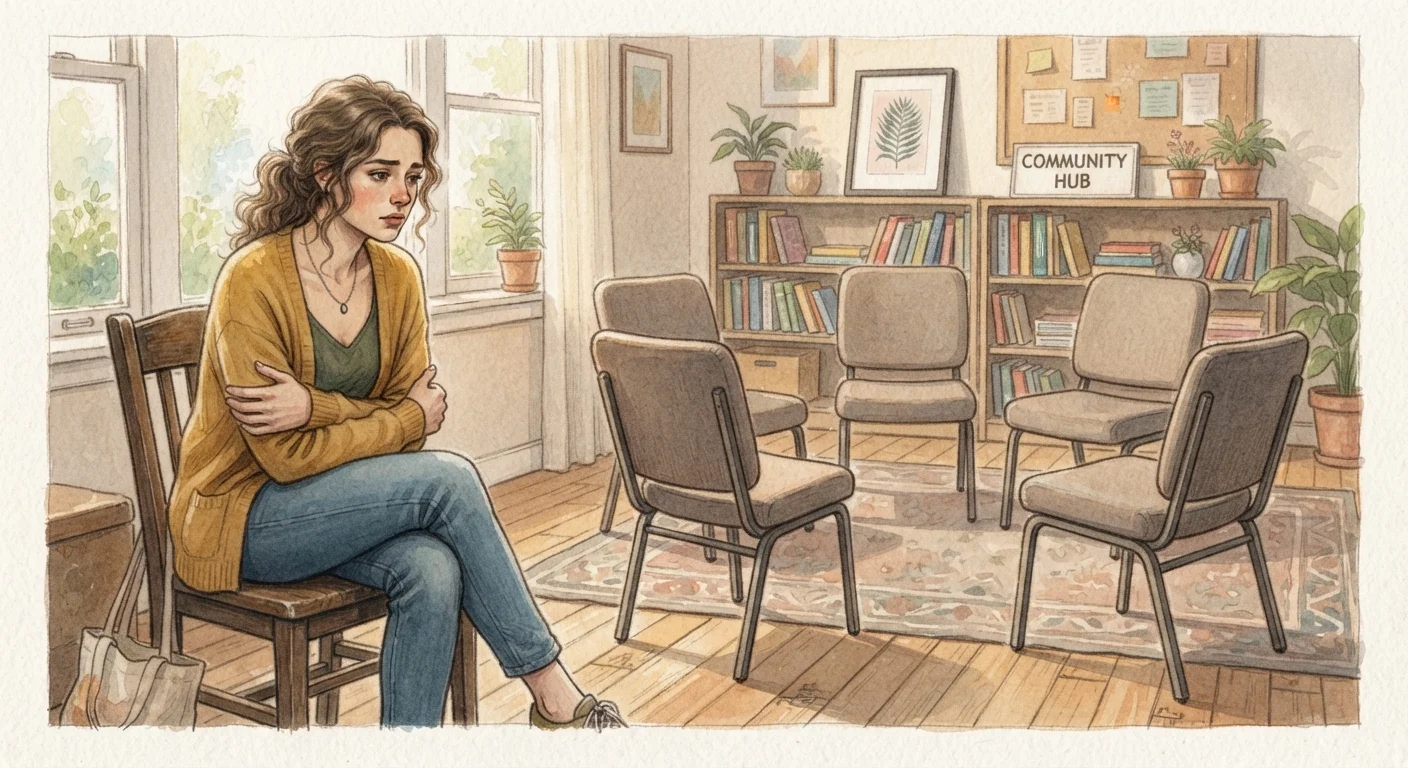
Why it happens: First meetings are almost always awkward — strangers sharing personal struggles in an unfamiliar setting triggers natural social anxiety. People interpret that discomfort as evidence the group is wrong for them.
Choosing the most convenient group rather than the most relevant one.
Why it happens: When someone is struggling, the path of least resistance feels safest. People often join the first group they find rather than researching options that match their specific experience or identity.
Assuming one bad group experience means all peer support will feel the same.
Why it happens: A negative experience — a dismissive facilitator, a cliquey dynamic, or unhelpful group norms — can feel representative when it's actually just one poor match.
Staying in a group that consistently leaves you feeling worse out of a sense of obligation.
Why it happens: People worry about seeming ungrateful or disrupting group cohesion. There can also be social pressure — implicit or explicit — to keep attending.
Using a support group as a substitute for individual therapy when clinical support is actually needed.
Why it happens: Support groups are more accessible and less intimidating than professional therapy for many people. It's easy to use them as an alternative rather than a complement.
Staying in a Harmful Group Can Do Real Damage
Some groups — particularly unmoderated online communities — can reinforce negative thinking patterns, normalize harmful coping strategies, or create unhealthy dependency. If a group consistently leaves you feeling worse, more isolated, or pressured, trust that signal. Leaving is not failure; it is self-protection. See signs that a community is genuinely supporting your mental health for a useful checklist.
What to Do When a Group Genuinely Isn't Working
If you've given a group a fair trial and it still doesn't feel right, there are concrete next steps worth taking rather than simply disengaging from peer support altogether.
- Name what specifically isn't working. Is the group too large or too small? Does the facilitator's approach feel misaligned? Is the focus too broad or not specific enough to your experience? Clarity about what's missing helps you search more effectively next time.
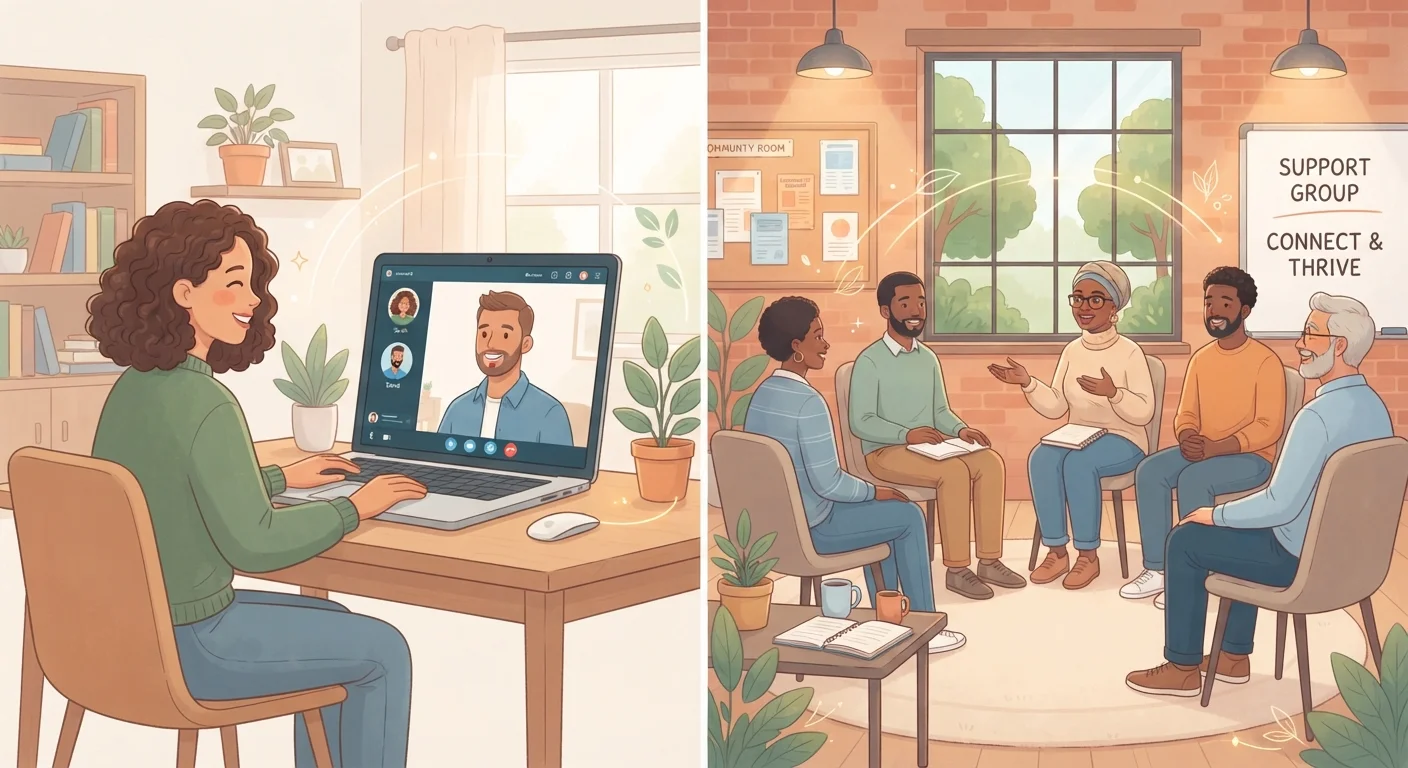
- Explore different formats. In-person, online, structured, open-discussion, condition-specific, faith-based — the variety is wide. What works for one person may not work for another, and that's expected, not a flaw.
- Talk to your therapist or doctor. A mental health professional familiar with your history can often point you toward group options better suited to your situation. They can also help you process a disappointing group experience itself.
- Consider how to pace your participation in any new group you try. Sustainable engagement matters as much as finding the right group.
Peer Support Is Not a Replacement for Crisis Care
If you are experiencing a mental health crisis, thoughts of self-harm, or a psychiatric emergency, please contact a qualified professional or call 988 (Suicide & Crisis Lifeline) immediately. Support groups are a complement to care — not a substitute for urgent or clinical treatment.
This article is for general informational purposes only and does not constitute medical or mental health advice. Please consult a qualified healthcare professional for guidance specific to your situation.