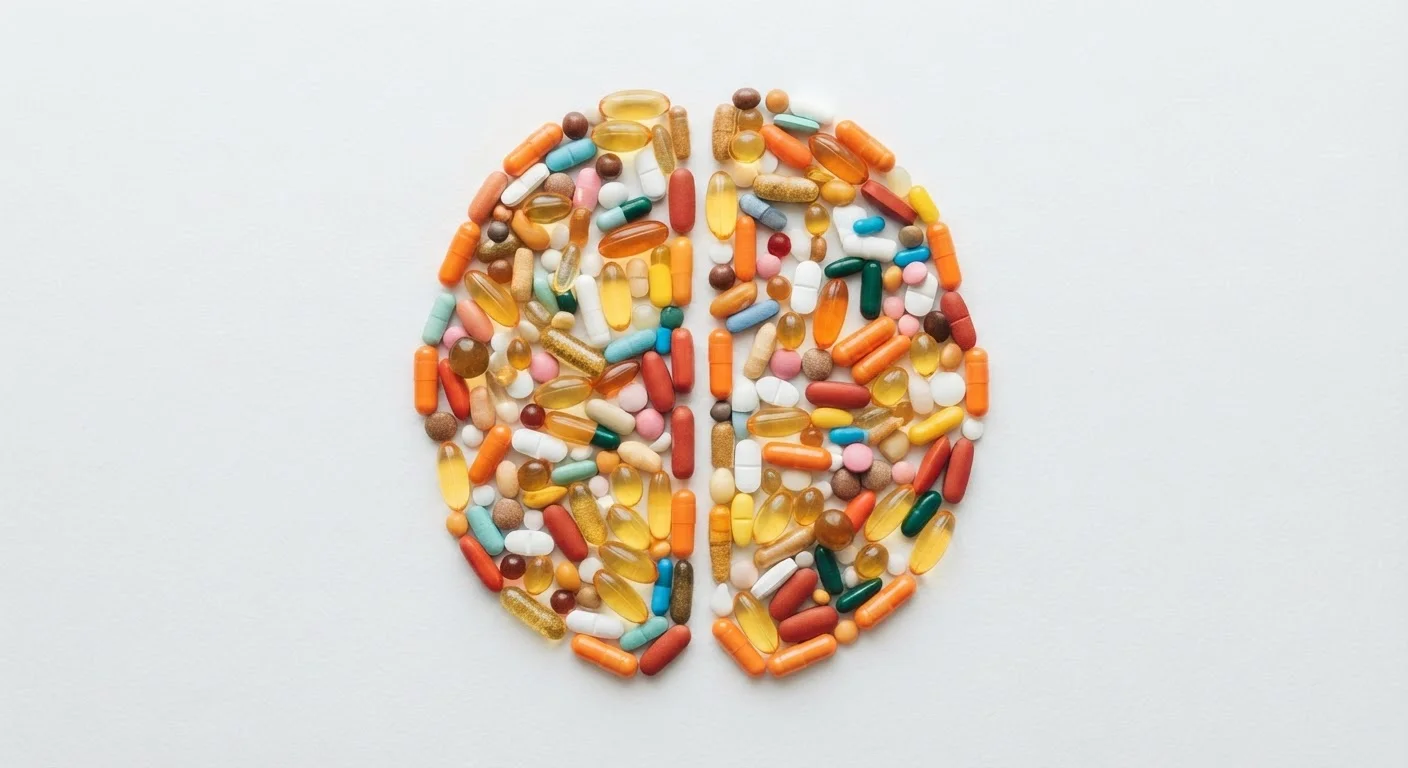

Why Nutritional Gaps Can Be Easy to Miss
Difficulty concentrating after a poor night's sleep is easy to explain away. So is forgetting a name or feeling irritable during a stressful week. But when these experiences become persistent and unexplained, nutrition science suggests that certain vitamin shortfalls may quietly be playing a role.
This is not a diagnostic checklist - only a qualified clinician can determine why you are experiencing cognitive symptoms. Rather, it is a reference to help you recognise patterns that may be worth raising with a doctor, particularly if lifestyle factors alone do not account for what you are noticing.
For a broader look at how subtle gaps accumulate over time, see our guide to how vitamin deficiencies erode cognitive performance.
| Most common micronutrient deficiency globally | Iron deficiency (World Health Organization) |
| Vitamin D status check | Serum 25-hydroxyvitamin D blood test |
| B12 deficiency risk groups | Older adults, plant-based dieters, those with GI conditions |
| Homocysteine elevation linked to | Low folate and B12 status (Nutritional epidemiology literature) |
| Cognitive domains most affected by iron deficiency | Attention, working memory, mental stamina |
| Primary dietary folate sources | Leafy greens, legumes, fortified grains |
Key Vitamins and Their Cognitive Signatures
Research has linked several specific nutrients to cognitive function. The associations below reflect established nutritional science, though individual variation is significant and many factors overlap.
Myelin sheath
A protective, fatty layer surrounding nerve fibers that enables fast, efficient electrical signaling between neurons. Vitamin B12 is essential to its maintenance, and damage can impair cognitive function.
Homocysteine
An amino acid produced during protein metabolism. Elevated blood levels are associated with low folate and B12 intake and have been linked in research to greater risk of cognitive decline.
Methylation cycle
A fundamental biochemical process the body uses to regulate gene expression, repair DNA, and synthesize neurotransmitters. Adequate folate and B12 are required to keep this cycle running properly.
Serum ferritin
A blood marker that reflects the body's iron stores. It can identify iron deficiency before full anemia develops, making it a useful early indicator of nutritional shortfall.
Sub-clinical deficiency
A nutrient level that is below optimal but not low enough to trigger classic clinical symptoms. Sub-clinical deficiencies can still meaningfully affect brain function and mood.
Vitamin B12
B12 is essential for maintaining the myelin sheath - the protective coating around nerve fibers - and for synthesizing neurotransmitters. Even a mild, sub-clinical deficiency can produce brain fog, slow processing speed, and low mood before any physical symptoms appear. Older adults, people following plant-based diets, and those with certain gastrointestinal conditions are at elevated risk. Our dedicated article on B12 and brain health covers the neurological effects in depth.
Vitamin D
Vitamin D receptors are found throughout the brain, and population studies consistently link low serum levels to increased rates of depressive symptoms and cognitive complaint. Because deficiency is largely asymptomatic in its early stages, many people are unaware of inadequate status until a blood test reveals it.
Folate (Vitamin B9)
Folate drives the methylation cycle, a biochemical process critical for DNA repair and neurotransmitter production. Low folate has been associated in research with elevated homocysteine levels - a marker linked to cognitive decline - as well as depressive presentations. Leafy greens, legumes, and fortified grains are primary dietary sources.
Iron
Iron deficiency, the most common micronutrient deficiency globally, can impair attention, working memory, and mental stamina well before it produces diagnosable anemia. The brain relies on adequate iron for dopamine synthesis and oxygen transport. Fatigue-driven cognitive symptoms may therefore have a nutritional dimension worth investigating. The gut's role in absorbing these nutrients is also relevant - the gut-brain connection can influence how efficiently nutrients reach the brain.
~42%
U.S. adults estimated to have vitamin D insufficiency
Based on analysis of NHANES survey data published in nutrition research literature.
1 in 6
U.S. adults estimated to have low B12 status
Estimates vary by study and population; risk rises substantially after age 50.
3-5 years
Time for B12 deficiency to produce neurological symptoms
Depends on individual stores; symptoms can appear much sooner in those with absorption problems.
When to Talk to a Doctor - and What to Track
No single symptom points conclusively to a nutritional cause. However, a pattern of cognitive complaints - particularly fatigue, low mood, difficulty with recall, or reduced mental stamina - that persists beyond obvious situational explanations is a reasonable trigger for a clinical conversation.
Before your appointment, keep a brief log: note when symptoms occur, their severity, recent dietary changes, and any other health observations. Digestive health is also worth flagging - absorption problems in the gut can impair nutrient uptake even when dietary intake appears adequate. Our checklist for gut health conversations with a doctor may help you organise those observations. A standard blood panel can check serum levels of B12, D, folate, and ferritin. Results should always be interpreted by a clinician in context of your full health picture, not against general internet reference ranges. Omega-3 fatty acids represent another area of active research; the omega-3 and brain health hub provides an accessible overview of current evidence.
This article is for general informational purposes only and does not constitute medical advice. Always consult a qualified healthcare professional about any symptoms or concerns regarding your health.