
Where the Stereotype Came From - and Why It Persists
The image of PTSD as a condition exclusive to combat veterans is deeply rooted in history. Shell shock, battle fatigue, and war neurosis were early names for what clinicians now recognize as PTSD - and because these terms emerged from military medicine, the condition became culturally tied to soldiers returning from war.
That association is not wrong; military service does carry a significant risk. But it is far too narrow. Decades of research have made clear that any event in which a person feels their life - or someone else's - is genuinely at risk can set off the same neurological response. The brain does not distinguish between a roadside bomb and a violent assault. Both can leave the same lasting imprint.
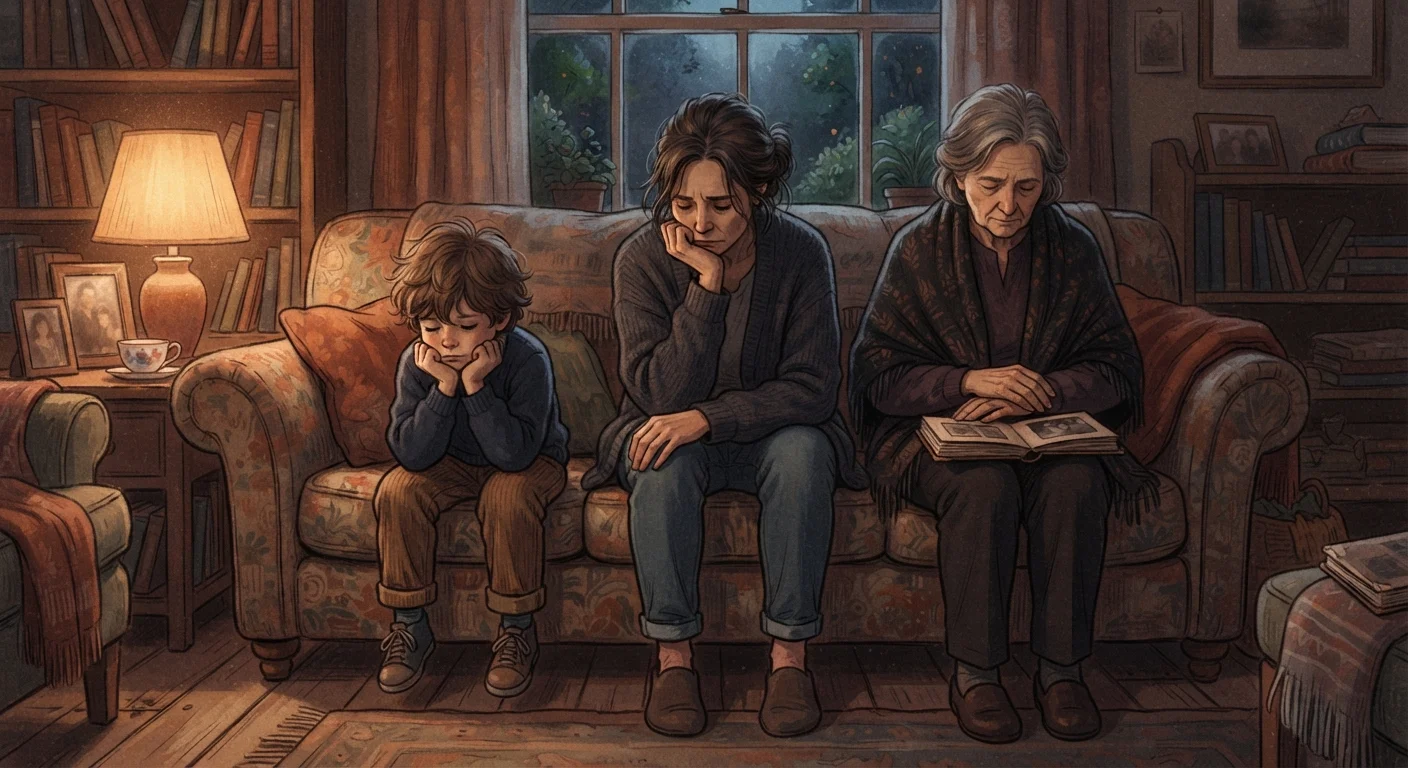
The persistence of the soldier stereotype is harmful in a specific way: it leads people who have experienced other kinds of trauma to tell themselves their distress doesn't count. That kind of self-dismissal can delay seeking help for years. See why dismissing your own trauma can be harmful for a closer look at this pattern.
A Note on Language and Stigma
The phrase "soldier's disease" is sometimes used casually, but it reinforces the idea that PTSD is earned only through military service. This framing, even when well-intentioned, can prevent civilians - and non-combat veterans - from recognizing their own symptoms and seeking care. Using accurate, inclusive language about trauma matters.
The Real Range of Traumatic Events That Can Cause PTSD
Clinical guidelines recognize a wide range of events that can meet the threshold for trauma. These include:
- Physical or sexual assault
- Serious accidents, including car crashes and workplace injuries
- Natural disasters such as hurricanes, wildfires, or earthquakes
- Sudden or violent loss of a loved one
- Life-threatening medical events, including heart attacks, difficult childbirths, or time in an intensive care unit
- Childhood abuse or neglect
- Witnessing violence in the community or home
First responders, emergency room staff, and others who are regularly exposed to others' trauma - a category known as secondary or vicarious trauma - are also at elevated risk. The common thread is not the setting but the level of perceived threat and helplessness in the moment.
~70%
U.S. adults who experience at least one traumatic event
According to research cited by the National Center for PTSD, trauma exposure in the general population is far more common than most people assume.
~20%
Trauma survivors who develop PTSD
Not everyone who experiences trauma develops PTSD; individual risk depends on trauma type, biology, social support, and other factors.
2x
Rate at which women are diagnosed with PTSD compared to men
The National Center for PTSD estimates that women develop PTSD at approximately twice the rate of men, driven in part by higher rates of sexual trauma.
Who Is Most Affected - and Why
PTSD does not develop in everyone who experiences trauma. Estimates suggest that roughly 20% of people exposed to a traumatic event go on to develop the condition - though rates vary significantly by trauma type. Sexual assault, for instance, carries a notably higher risk than many other events.
Women are diagnosed with PTSD at approximately twice the rate of men in the U.S. This gap is partially explained by higher rates of sexual violence, which is a high-risk trauma type, and by biological and social factors that influence how the condition develops. For a fuller picture of what shapes individual risk, see risk and resilience factors in PTSD.
Age also matters. Symptoms can look quite different in children than in adults, and older people may experience their own distinct patterns. PTSD across the lifespan explores how each group is affected.
If You're Not Sure Whether Your Experience Counts
A common barrier to seeking help is the belief that one's trauma wasn't serious enough to justify a PTSD diagnosis. Clinicians do not rank or compare traumatic events - what matters is the impact on your nervous system, not an external measure of severity. If your symptoms are disrupting your daily life, that is a reason to talk to a professional, regardless of what caused them.
Recognizing PTSD Beyond the Combat Frame
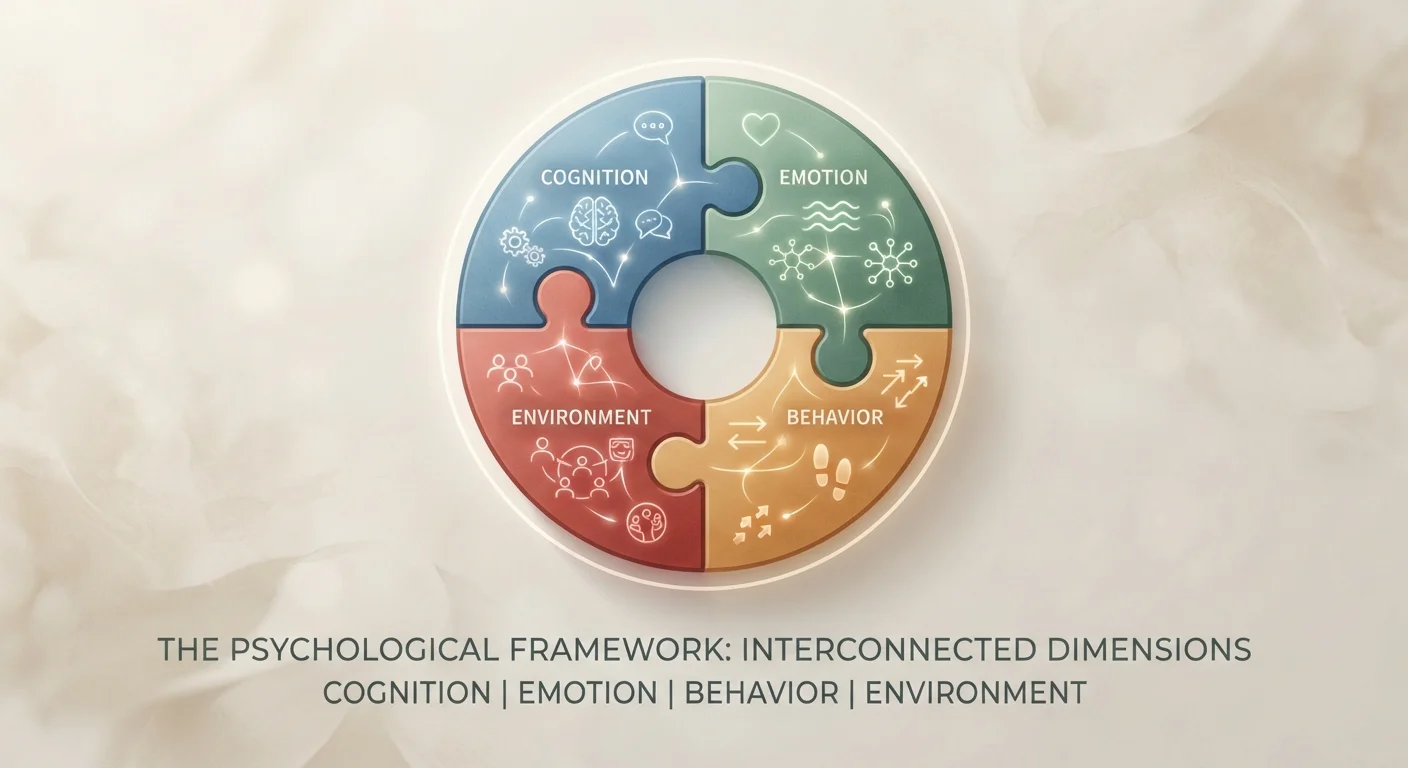
PTSD organizes itself into four symptom clusters: re-experiencing the trauma (flashbacks, nightmares, intrusive thoughts), avoidance of reminders, negative changes in thinking and mood, and a state of heightened alertness or reactivity. For a detailed breakdown, see the four core clusters that define a PTSD diagnosis.
Outside the military context, these symptoms may appear in ways that are easy to misread. A car accident survivor who refuses to drive and feels persistently on edge. A new mother who cannot stop replaying a frightening delivery. A person who grew up in an abusive household and still flinches at raised voices years later. None of these fit the cultural script - and that mismatch can make it harder for both individuals and those around them to recognize what is happening.
If you want to understand the full range of signs, the full spectrum of PTSD symptoms covers what to look for. And if you are starting from scratch, this introduction to PTSD is a good place to begin.
This article is for general informational purposes only and is not a substitute for professional medical advice, diagnosis, or treatment. If you or someone you know may be experiencing PTSD, please consult a qualified healthcare provider.