Why These Myths Persist
Misconceptions about relaxation are surprisingly stubborn. Many come from cultural ideas that equate productivity with busyness, making deliberate rest feel indulgent or even suspicious. Others arise from a single discouraging early experience — one session where the mind raced, or a guided audio that felt awkward — and a quiet conclusion that relaxation simply "isn't for me."
These beliefs matter because they create real barriers. Someone who thinks relaxation requires silence may never try it at work. Someone who believes it's only for anxious people may dismiss it as unnecessary. Understanding where these ideas come from — and what the evidence actually shows — is the first step toward finding an approach that genuinely fits your life. It's also worth noting that many stress myths follow the same pattern; common misconceptions about stress explores how false beliefs about stress itself can stand in the way of effective coping.
Myth
You need complete silence and a perfect environment to relax properly.
Fact
Relaxation techniques can be practiced almost anywhere — a quiet corner helps, but it isn't required.
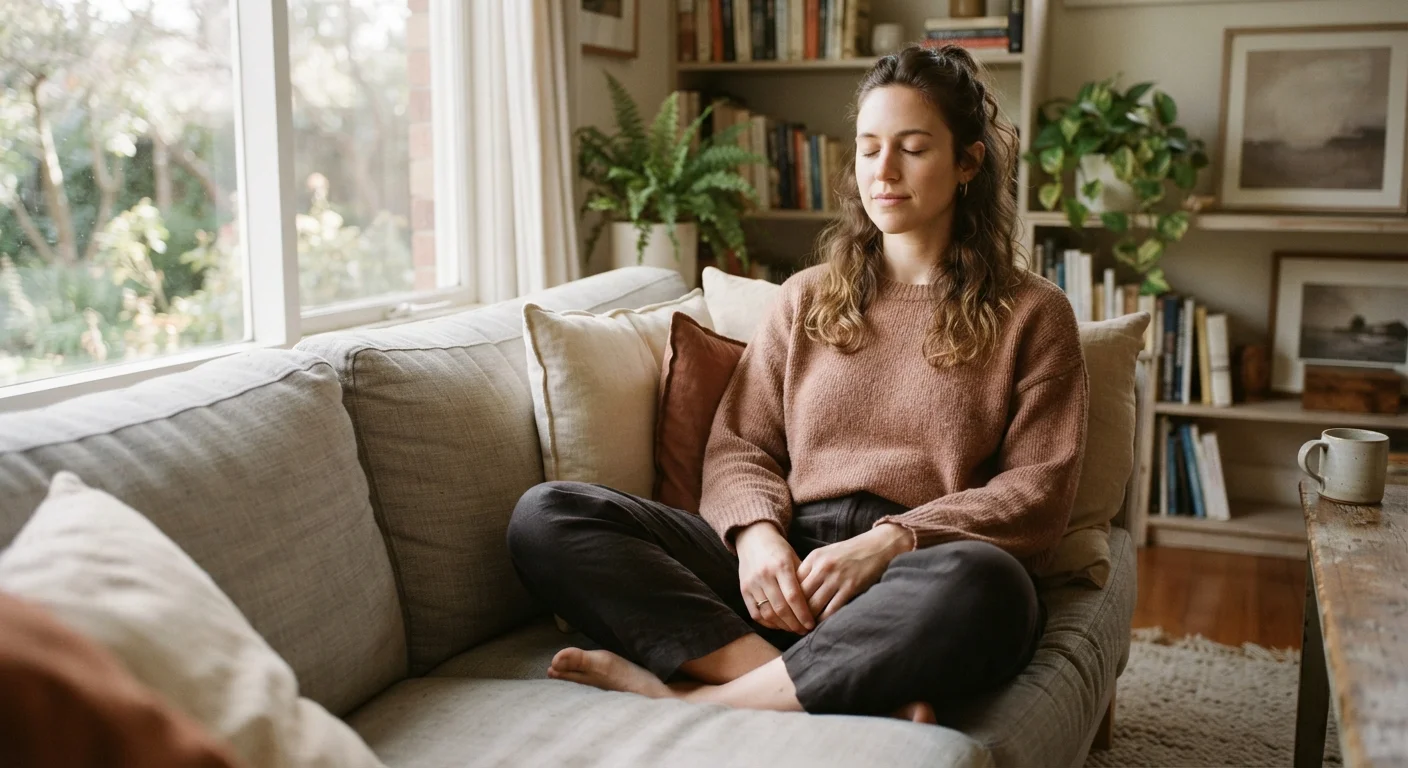
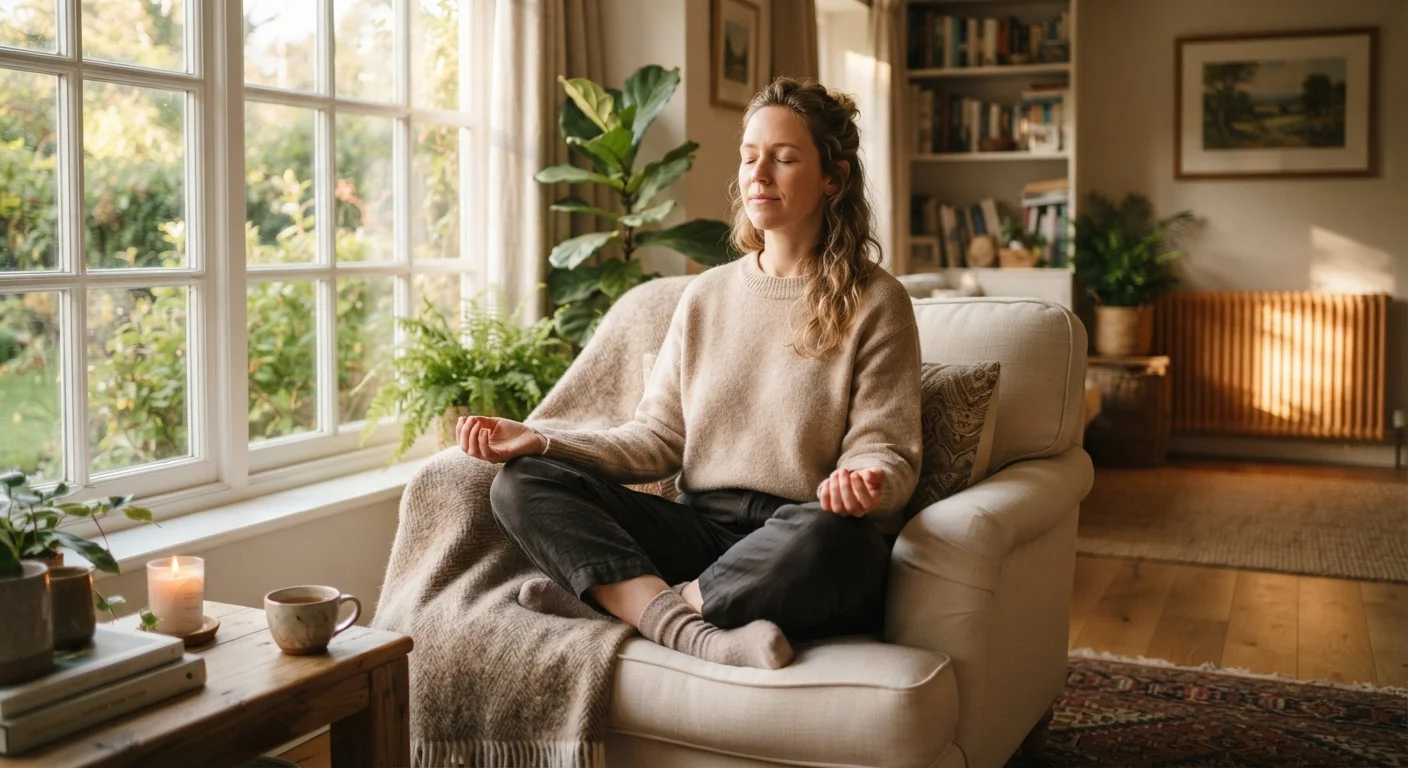
Many people delay trying relaxation techniques because they're waiting for ideal conditions: a quiet house, a tidy room, no interruptions. In reality, the nervous system can shift toward a calmer state in remarkably ordinary settings. Research on brief mindfulness-based practices shows benefits even when practiced in moderately noisy environments. Starting with what you have — a few minutes on a lunch break, a seat on public transit — is far more effective than waiting for the perfect moment that may never arrive. For a deeper look at how these techniques affect your body, see what actually happens during relaxation.
Myth
Relaxation is only useful for people who have anxiety or are highly stressed.
Fact
Relaxation practices support general wellbeing, cardiovascular health, and cognitive function for almost everyone.
This myth frames relaxation as a remedy reserved for crisis moments, but the evidence tells a broader story. Regular relaxation practice has been associated with lower resting heart rate, reduced blood pressure, and improved sleep quality in people across a wide range of baseline stress levels. Think of it less like a fire extinguisher and more like a fitness routine — useful whether or not you're currently in distress. If you're also curious about how anxiety and relaxation intersect, anxiety myths that keep people from seeking help offers helpful context.
Myth
If your mind wanders during relaxation, the session has failed.
Fact
Mind-wandering is normal and expected; gently returning your focus is itself the practice.
One of the most discouraging early experiences with relaxation is noticing that the mind doesn't simply switch off. Thoughts about work, to-do lists, and random memories arise constantly — and that's entirely normal. Neuroscience research on the default mode network confirms that the brain naturally generates spontaneous thought when not occupied with a focused task. The skill being developed is not the absence of thought but the gentle act of noticing and returning. Each time you redirect attention without self-criticism, you're strengthening exactly the capacity that makes relaxation more effective over time.
Myth
Relaxation has to take at least 30 minutes to make any real difference.
Fact
Even brief sessions of five to ten minutes can activate the parasympathetic nervous system and reduce physiological stress markers.
The idea that relaxation requires a substantial time investment keeps many busy people from ever starting. However, studies on diaphragmatic breathing and progressive muscle relaxation show measurable reductions in cortisol and heart rate after sessions as short as five minutes. Short, consistent practice tends to outperform occasional long sessions. If you've tried brief techniques and found them unsatisfying, why relaxation techniques sometimes feel like they're not working explores common barriers worth addressing.
Myth
Deep breathing is the only real relaxation technique worth trying.
Fact
A wide range of evidence-based techniques exist, including body scans, progressive muscle relaxation, and guided imagery.
Deep breathing is well-researched and accessible, but it's one tool among many. Some people find breath-focused techniques frustrating or even unsettling, particularly if they have certain respiratory or anxiety-related sensitivities. Progressive muscle relaxation, grounding exercises, and guided imagery each engage different neural pathways and suit different preferences and situations. Exploring your options is worthwhile. Calming practices beyond deep breathing provides a practical overview of alternatives.
Myth
Relaxation and mindfulness are the same thing.
Fact
Relaxation and mindfulness are related but distinct practices with different goals and mechanisms.
It's easy to use these terms interchangeably, but they're not identical. Traditional relaxation techniques primarily aim to reduce physiological arousal — lowering heart rate, easing muscle tension, slowing breathing. Mindfulness, by contrast, involves intentional, non-judgmental awareness of the present moment and doesn't always produce immediate physical calm. Understanding the distinction can help you choose the right approach for a given situation. For a side-by-side comparison, see mindfulness vs. relaxation techniques.
Building a Realistic Relaxation Practice
Once the myths are cleared away, what remains is genuinely encouraging: relaxation is a learnable skill, and it doesn't require special equipment, a perfect setting, or large blocks of time. Like any skill, it tends to feel awkward at first and becomes more natural with repetition.
Don't Push Through Discomfort Alone
For some individuals, certain relaxation techniques — particularly breath-focused practices — can temporarily increase feelings of anxiety or discomfort. This is a recognized phenomenon and doesn't mean something is wrong with you. If a technique consistently feels distressing rather than calming, try a different approach or discuss it with a mental health professional before continuing.
A reasonable starting point is choosing one technique — perhaps slow diaphragmatic breathing or a brief body scan — and committing to five minutes on most days for two weeks. The goal isn't to feel blissfully calm after every session; the goal is to build familiarity with the practice. Over time, most people find that the transition into a calmer state becomes quicker and easier. For broader context on how everyday habits support stress recovery, the Stress Relief Habits hub offers a range of evidence-informed approaches worth exploring.
This article is for general informational purposes only and is not a substitute for professional medical or mental health advice. If you are experiencing significant stress, anxiety, or other mental health concerns, please consult a qualified healthcare professional.