
The Misunderstanding That Puts People Off
Ask most people what mindfulness is, and a common answer goes something like this: "You sit quietly, breathe, and try to think about nothing." It sounds simple enough — until you actually try it, your grocery list surfaces, you start planning tomorrow's meetings, and you conclude that you must be doing it wrong.
You're not. That idea of a perfectly blank, silent mind isn't what mindfulness means, and it was never the goal. The confusion is understandable — mindfulness has moved quickly from clinical settings into everyday culture, and somewhere along the way the core definition got blurry.
This article untangles the most common myths so that if stress has you curious about mindfulness, you can start from an accurate — and far less intimidating — foundation. For a broader look at how mental wellbeing fits into daily life, see our piece on what mental health really means.
Myth
The goal of mindfulness is to clear your mind and stop thinking.
Fact
Mindfulness is about observing your thoughts without judgment — not eliminating them.
Thoughts arise automatically; that is a basic function of the brain. Expecting them to stop is like expecting your heart to pause. In mindfulness, the skill being practised is noticing when your attention has drifted and gently bringing it back — every time you do that, you are practising successfully, not failing.
Myth
If your mind wanders during mindfulness, you're doing it wrong.
Fact
A wandering mind is a normal part of practice, and noticing the wander is the practice itself.
Research on attention shows that the mind wanders roughly half of waking hours. In mindfulness, the moment you notice distraction and redirect your attention is the core repetition — similar to a bicep curl in physical exercise. Each return builds the skill. Beginners and experienced practitioners alike experience this; the difference is mainly in how quickly they notice and how gently they respond.
Myth
Mindfulness requires sitting still, closing your eyes, and meditating for a long time.
Fact
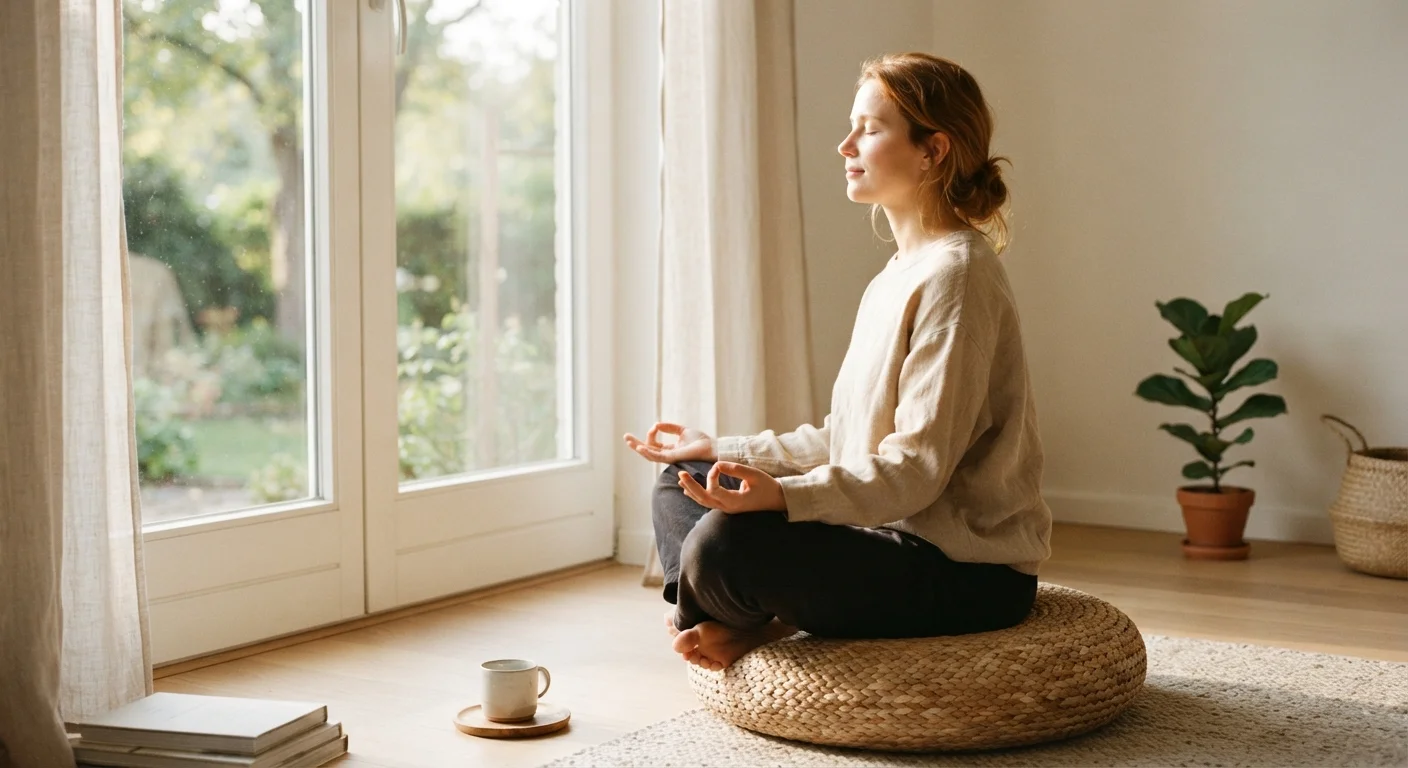
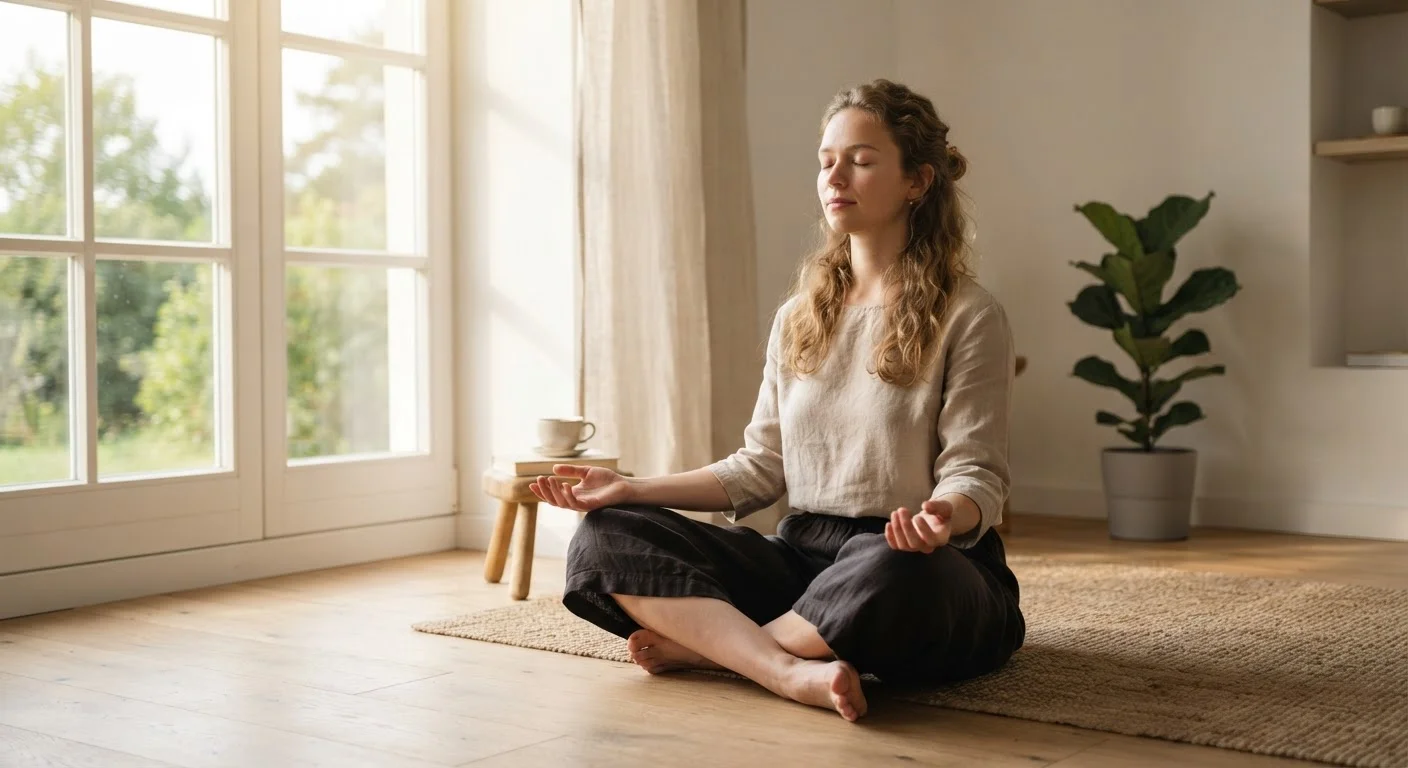
Mindfulness can be practised informally, eyes open, during ordinary daily activities, even in just a few minutes.
While seated, eyes-closed meditation is one valid format, it is not the only one. Brief, consistent practice — even two to five minutes — has been studied and found beneficial for stress regulation. Attention can be brought to breathing, walking, eating, or any routine activity. Accessibility is a feature of mindfulness, not an afterthought.
Myth
Mindfulness is a spiritual or religious practice and isn't for everyone.
Fact
Secular, evidence-based mindfulness programmes are used widely in healthcare, psychology, and education settings.
Mindfulness has roots in Buddhist contemplative traditions, but the psychological techniques used in programmes such as Mindfulness-Based Stress Reduction (MBSR) and Mindfulness-Based Cognitive Therapy (MBCT) are secular and research-tested. Participation does not require any particular belief system. Both programmes have been studied in clinical trials and are referenced in mainstream mental health guidelines.
Myth
Mindfulness immediately makes you calm and stress-free.
Fact
Mindfulness is a gradual skill; early sessions may feel uncomfortable or frustrating before benefits build.
Some people do experience a settling effect quickly, but for many, the first sessions surface restlessness or impatience — which are themselves experiences to observe non-judgmentally. Research suggests that meaningful changes in stress and emotional regulation tend to develop over weeks of regular practice rather than after a single session. Expectations of instant calm can themselves become a barrier.
What Mindfulness Actually Is
A widely used definition, drawn from the work of researcher Jon Kabat-Zinn, describes mindfulness as paying attention in a particular way: on purpose, in the present moment, and without judgment. Each part of that phrase matters.
- On purpose means you are deliberately directing your attention, rather than letting it drift on autopilot.
- In the present moment means noticing what is happening right now — sensations, sounds, thoughts — rather than replaying the past or anticipating the future.
- Without judgment means observing your experience with curiosity rather than labelling thoughts as good, bad, or proof that something is wrong with you.
Notice that none of this requires silence, a special room, or the absence of thought. Thoughts will arrive — that is what minds do. The practice is in noticing them, without getting swept away, and gently returning your attention to the present.
~47%
Time the average mind wanders
A Harvard study using experience-sampling found that people's minds wander roughly 47% of waking hours, regardless of what they are doing.
8 weeks
Typical MBSR programme length
Mindfulness-Based Stress Reduction, one of the most studied formats, is an eight-week programme; published trials report measurable reductions in self-reported stress at completion.
If you're curious about how this differs from formal meditation, our article on what meditation actually is explains the distinction clearly.
Bringing It Into Everyday Life
One of the most practical things to understand is that mindfulness is not limited to a cushion or a guided audio track. Everyday activities — eating, walking, washing dishes — can become informal mindfulness moments when you bring deliberate, non-judgmental attention to them.
For example, mindful eating applies exactly this quality of attention to meals: slowing down, noticing flavours, textures, and hunger cues, rather than eating on autopilot in front of a screen.
Mindfulness Is Not a Crisis Intervention
Mindfulness is a valuable tool for everyday stress and emotional regulation, but it is not a replacement for professional support when symptoms are severe. If you are experiencing significant anxiety, depression, trauma responses, or thoughts of self-harm, please reach out to a qualified mental health professional rather than relying solely on self-guided practice.
If you are ready to build a more structured practice, our complete beginner's guide to mindfulness for stress walks through realistic first steps, including very short sessions that fit into a busy day. And if a restless, wandering mind has put you off before, this article explains why that's actually fine — and what it means for your practice.
This article is for informational purposes only and is not a substitute for professional medical or mental health advice. If you are experiencing significant stress, anxiety, or other mental health concerns, please consult a qualified healthcare professional.