Why Misconceptions Stop Beginners Before They Start
Meditation has a reputation problem. Thanks to years of pop-culture shorthand — serene monks, impossible stillness, mystical silence — many people write off the practice before they ever try it. They assume they're doing it wrong the moment a thought appears, or that they're somehow not the "type" of person who can meditate.
The truth is, most barriers to starting meditation are built from misunderstanding what meditation actually is. This article breaks down the most common myths and replaces them with a clearer, more useful picture — one that makes the practice genuinely accessible to anyone, regardless of experience or lifestyle.
If you want a thorough starting point after reading this, see our guide for first-time meditators, which walks through what to expect in the early weeks.
Myth
You have to clear your mind completely for meditation to work.
Fact
Meditation doesn't require an empty mind. Noticing that your mind has wandered — and gently returning your focus — is the core of the practice.
This is the single most common reason beginners give up. They sit down, a thought appears within seconds, and they conclude they've failed. But in mindfulness-based meditation, thoughts arising is completely expected. The practice isn't about preventing thoughts; it's about observing them without getting swept away. Each time you notice you've drifted and redirect your attention, you've successfully completed one repetition of the mental skill you're building — similar to a bicep curl for the brain.
Myth
Meditation is a religious or spiritual practice that doesn't fit a secular lifestyle.
Fact
While meditation has roots in various spiritual traditions, secular, evidence-based forms of meditation are widely used in clinical and workplace settings with no religious component.
Programs such as Mindfulness-Based Stress Reduction (MBSR), developed at the University of Massachusetts Medical School, are entirely secular and have been studied extensively in clinical research. Many people meditate purely for practical benefits — reduced stress, better sleep, improved focus — without any spiritual framework. The practice can be adapted to fit whatever worldview a person holds. Also, meditation differs meaningfully from mindfulness as a broader concept; for more on that distinction, see what mindfulness actually means.
Myth
You need at least 20–30 minutes a day for meditation to make any difference.
Fact
Research suggests that even short, consistent sessions — as brief as five to ten minutes — can produce measurable benefits, particularly for stress and attention.
Duration matters less than regularity for beginners. A two-minute practice done daily builds the habit far more effectively than a 30-minute session done occasionally. Studies on brief mindfulness interventions have shown reductions in perceived stress and improvements in attentional control even at modest session lengths. Starting small removes the intimidation factor and makes it easier to stay consistent long enough to notice results.
Myth
If you don't feel calm or relaxed during a session, the meditation isn't working.
Fact
Meditation sessions can feel restless, frustrating, or even uncomfortable — and still be beneficial. The outcome isn't always immediate calm.
Some sessions will feel peaceful; others will feel like you spent the whole time chasing runaway thoughts. Both are normal. The goal of meditation isn't to manufacture a pleasant feeling in the moment — it's to develop an ongoing relationship with your own attention and mental states. Over time and with consistent practice, many people report greater emotional steadiness and resilience, but individual sessions can vary widely. Judging the practice by how relaxed you feel afterward misses the point of what's being trained.
Myth
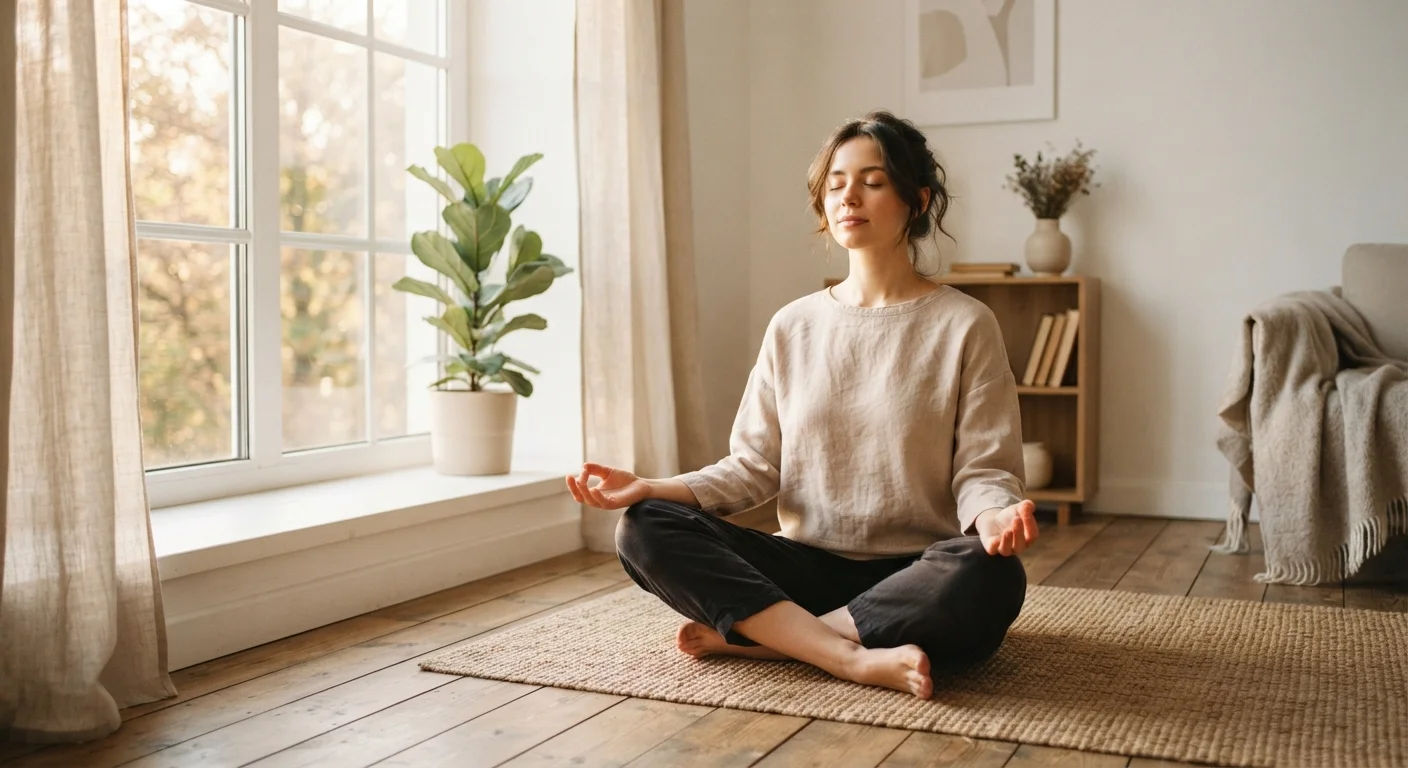
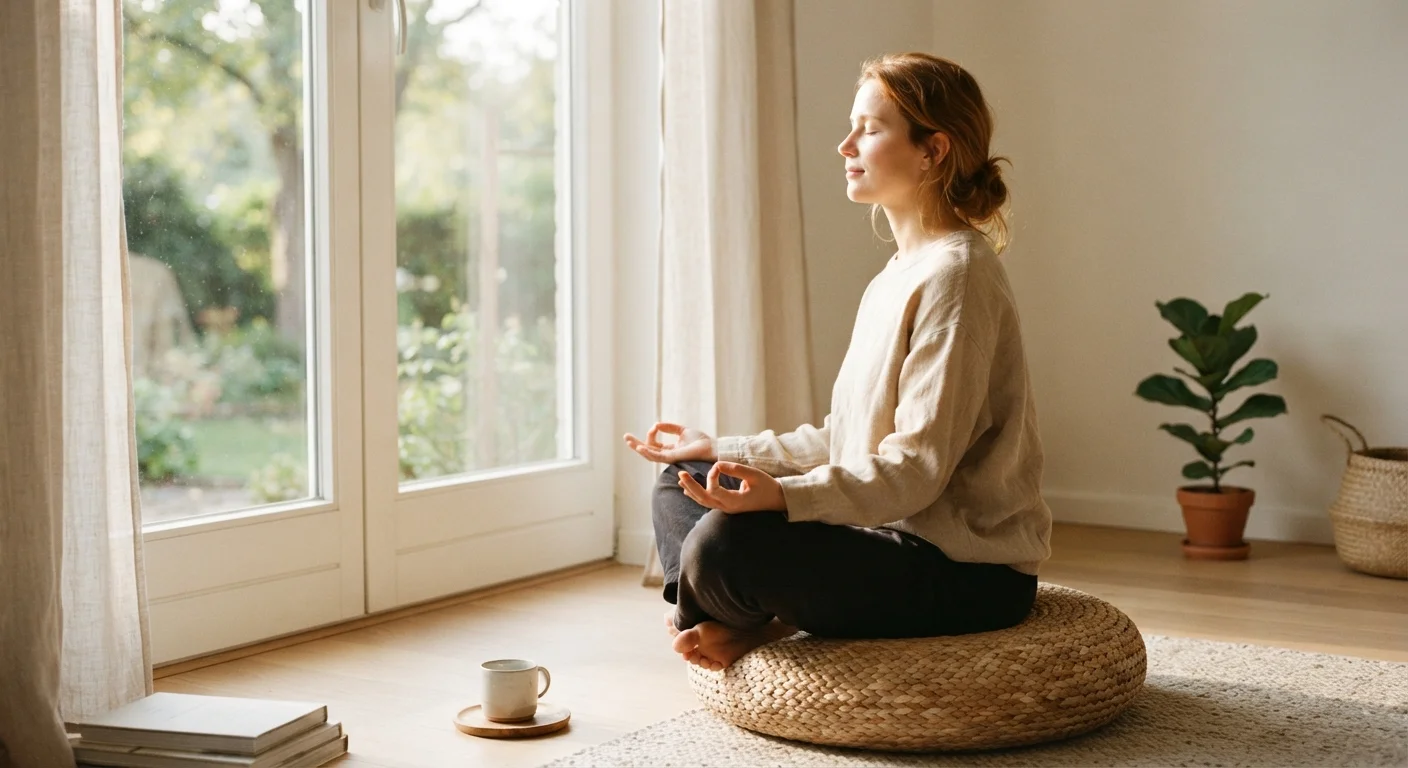
Meditation requires a perfectly quiet environment and a special posture.
Fact
Meditation can be practiced almost anywhere — sitting in a chair, lying down, or even walking — and ambient noise, while distracting, is not a dealbreaker.
Many beginners delay starting because they're waiting for ideal conditions that never quite arrive. In reality, posture simply needs to support alertness without causing pain — a straight-backed chair is perfectly effective. Some teachers even use environmental sounds as part of the practice, training attention by noticing sound without reacting to it. Waiting for a quiet house or a meditation cushion puts an unnecessary barrier between you and a practice you could start today.
What Meditation Actually Involves
At its core, meditation is a deliberate practice of directing your attention — most commonly to a single anchor, such as your breath, a word, or a physical sensation — and noticing when your attention drifts. That noticing itself is the skill you're developing. It's less about achieving a particular state and more about repeatedly practicing the act of returning your focus.
Different styles of meditation emphasize different anchors and intentions. Mindfulness-based practices train present-moment awareness. Loving-kindness meditation cultivates compassion. Body scan practices develop awareness of physical sensation. None of them require a blank mind, and none demand that you feel calm during the session. If you encounter unfamiliar terms along the way, a plain-language glossary of meditation terms can help.
~8 weeks
Time to measurable brain changes with regular practice
Research published in Psychiatry Research found changes in gray matter density after an 8-week mindfulness program, though individual results vary.
5–10 min
Minimum session length shown to reduce stress in studies
Multiple studies on brief mindfulness interventions suggest short daily sessions can yield meaningful benefits for beginners when practiced consistently.
It's also worth noting what meditation isn't: it's not the same as relaxation techniques like progressive muscle relaxation or breathwork, though those practices share some overlap. You can explore the differences in our overview of relaxation techniques. And it isn't therapy — if you're working through significant mental health challenges, professional support is important. Learn more about what to expect from therapy as a beginner.
This article is for informational purposes only and is not medical advice. If you are experiencing significant mental health symptoms, please consult a qualified healthcare professional.