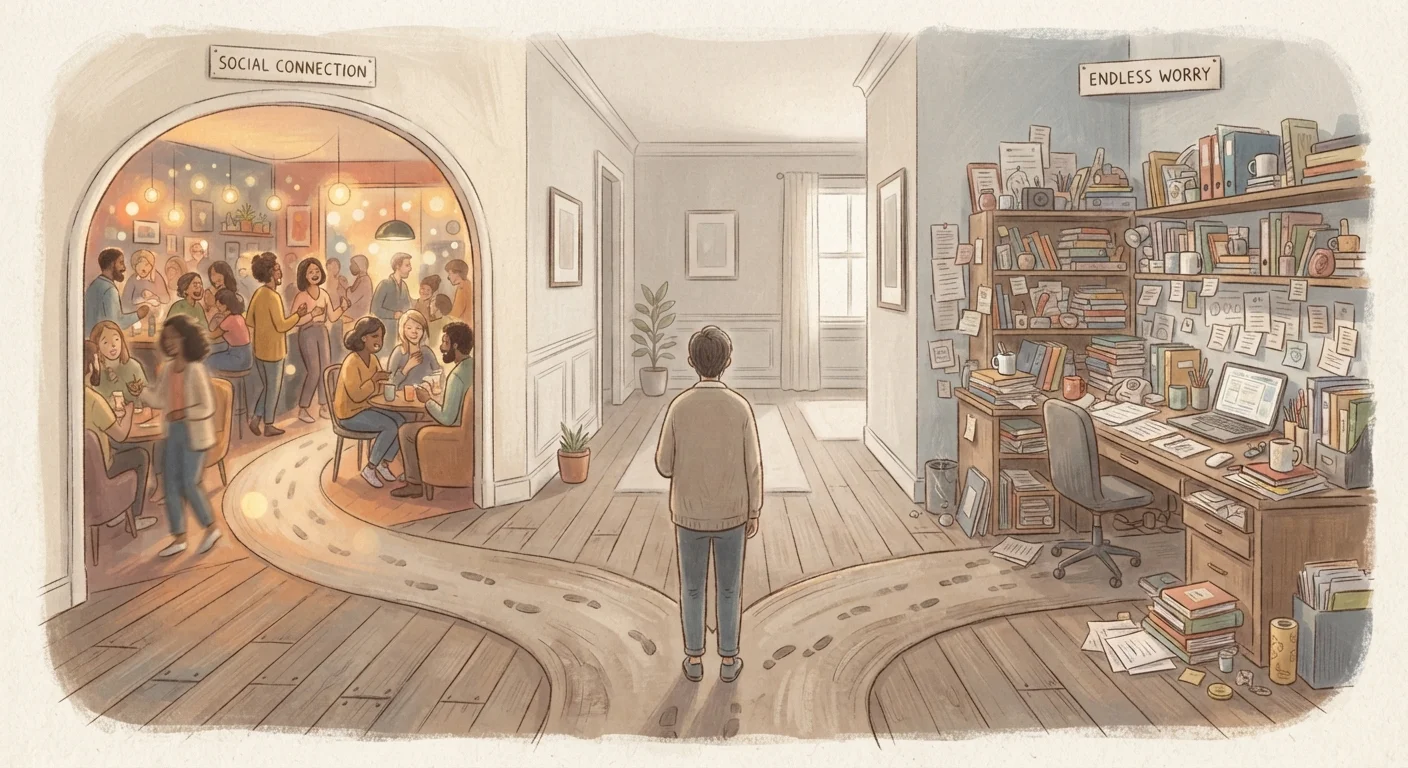

The Line Between Worry and Disorder
Worry is a normal part of being human. Most people feel anxious before a job interview, when a family member is sick, or when finances get tight. That kind of worry has a purpose - it focuses attention on real problems. It also tends to ease once the situation changes.
Generalized anxiety disorder, or GAD, works differently. The worry doesn't need a clear trigger, doesn't stay in one lane, and doesn't stop when things settle down. Someone with GAD might spend hours each day anxious about their health, their children's safety, their job performance, household finances, and minor daily tasks - often all at once. The defining characteristic isn't the topics themselves, but the pattern: worry that feels excessive, is hard to switch off, and persists across months rather than days.
Understanding this distinction is important because many people with GAD assume their experience is just who they are - a worrier by nature. That framing can delay recognition and, in turn, delay support. For a broader foundation on anxiety in general, see Anxiety Explained.
6.8 million
US adults estimated to have GAD
According to the Anxiety and Depression Association of America, GAD affects approximately 6.8 million adults in the United States each year.
~50%
People with GAD who also experience depression
Research consistently shows that GAD frequently co-occurs with major depressive disorder, complicating recognition and treatment when both are present.
6+ months
Minimum symptom duration for a GAD diagnosis
DSM-5 criteria require that excessive worry and associated symptoms are present more days than not for at least six months before a GAD diagnosis can be made.
What GAD Actually Looks Like
GAD shows up differently for different people, but there are recognizable patterns. The worry is typically wide-ranging - rather than focusing on one feared scenario, it moves through multiple areas of everyday life. A person might resolve one anxious thought only to have another take its place immediately.
Beyond the mental experience of worry, GAD often produces a cluster of physical and cognitive symptoms. These can include:
- Muscle tension - often felt in the neck, shoulders, or jaw
- Fatigue - feeling worn out even without physical exertion
- Difficulty concentrating - the mind feels cluttered or blank
- Irritability - a shorter fuse than usual, sometimes without a clear reason
- Sleep problems - trouble falling asleep, staying asleep, or waking up feeling rested
For a deeper look at how these symptoms ripple into daily life, this article on how chronic worry affects sleep, concentration, and daily life covers the practical consequences in detail.
How a Diagnosis Is Reached
GAD is diagnosed by a qualified clinician - typically a physician, psychologist, or psychiatrist - who evaluates whether a person's symptoms meet established criteria. The DSM-5, the standard diagnostic reference used in the United States, sets out specific thresholds: excessive worry occurring more days than not for at least six months, difficulty controlling the worry, and the presence of associated symptoms like fatigue or tension. Crucially, the symptoms must cause meaningful distress or interfere with daily functioning.
The clinician will also consider whether another condition, a medical issue, or a substance might better explain the symptoms. GAD can share features with other anxiety disorders, depression, and certain health conditions, so a careful evaluation matters.
“Anxiety is not a character flaw or a sign of weakness. It is a diagnosable condition with identifiable patterns, and recognizing those patterns is the first step toward getting appropriate care.”
— American Psychological Association, Professional organization representing psychology in the United States
For a plain-language breakdown of each diagnostic criterion, GAD Diagnostic Criteria Explained in Plain Language walks through what clinicians are actually looking for. It's also worth noting that GAD and social anxiety disorder are related but distinct - Generalized Anxiety Disorder vs. Social Anxiety explains the key differences.
When to Seek Help
If worry is consistently interfering with your sleep, your relationships, your work, or your ability to enjoy daily life, that's a meaningful signal worth taking seriously. GAD is among the most common anxiety disorders in the United States, and it responds well to professional support - yet many people live with it for years before seeking an evaluation.
You don't need to arrive at a appointment with a self-diagnosis. A healthcare provider's job is to help sort out what's happening. Starting with your primary care doctor is a reasonable first step; they can screen for medical causes and connect you with a mental health professional if appropriate.
Tracking Your Worry Can Help
Before a clinical appointment, consider keeping a brief daily log of when worry spikes, what topics it focuses on, and any physical symptoms you notice. This kind of record gives a clinician much more to work with than a general description, and it can help you see patterns you might otherwise overlook.
For a comprehensive look at GAD from symptoms through to evidence-based support options, Generalized Anxiety Disorder: A Complete Overview is a useful next read.
This article is for informational purposes only and is not a substitute for professional medical advice, diagnosis, or treatment. If you have concerns about your mental health, please consult a qualified healthcare provider.