
Two Experiences That Look the Same From the Outside
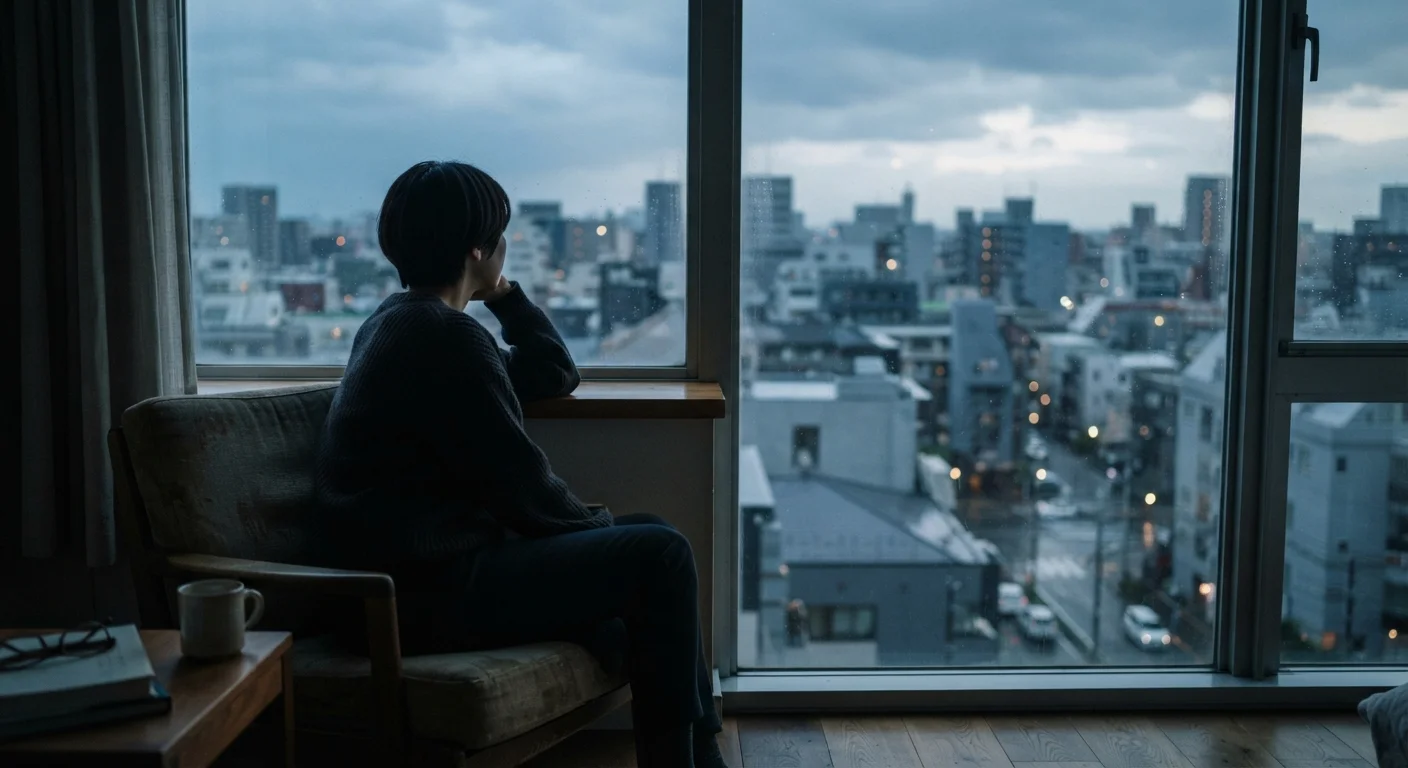
Imagine two people, each spending a Saturday afternoon at home alone. One is deeply absorbed in a novel, unhurried and content. The other is staring at their phone, wishing someone would call, feeling vaguely hollow. From the outside, both situations look identical. Inside, they couldn't be more different.
This is the essential gap between solitude and loneliness. Solitude is chosen, voluntary aloneness — time you spend with yourself that feels purposeful or restorative. Loneliness, by contrast, is a subjective feeling of painful disconnection. It isn't defined by how many people are physically around you, but by whether your need for meaningful connection feels met.
Understanding this distinction isn't just semantics. It matters for how you interpret your own emotional experience and for what — if anything — you decide to do about it. As you'll see, loneliness takes several distinct forms, not all of which look the same.
What Solitude Actually Is
Solitude has been valued across cultures and throughout history — in contemplative traditions, creative practices, and psychological theory. Research in personality psychology suggests that time spent alone, when freely chosen, can support self-reflection, creativity, emotional regulation, and a clearer sense of personal values.
Solitude doesn't require you to be an introvert. Many people who thrive socially also need — and actively seek — time alone to process, rest, and reconnect with themselves. The defining feature of solitude is agency: you chose to be alone, or you're at peace with being alone right now.
Importantly, solitude is not the same as avoidance. Withdrawing from others because social situations feel threatening, or isolating yourself when you're struggling emotionally, may look like solitude but can function quite differently — sometimes reinforcing distress rather than relieving it.
| Criterion | Solitude | Loneliness |
|---|---|---|
| Nature | Chosen, voluntary | Unwanted, distressing |
| Emotional tone | Peaceful, restorative | Painful, hollow |
| Defined by | Agency and acceptance | Perceived gap in connection |
| Requires physical aloneness? | Usually, but not always | No — can occur in a crowd |
| Health impact | Can support wellbeing | Chronic loneliness linked to poorer health |
| What it signals | A preference or need for quiet | An unmet need for connection |
What Loneliness Actually Is
Loneliness is best understood as a signal — much like hunger or thirst — that an important need is going unmet. Researchers often describe it as a perceived gap between the social connection a person has and the connection they want. That gap can exist even in the middle of a party, a full household, or a busy workplace.
This is why loneliness can persist even when people are surrounded by others. The quantity of social contact matters far less than its quality. Feeling unknown, unseen, or emotionally unconnected to the people around you is the hallmark of loneliness — not the number of people in the room.
Loneliness is also remarkably common. It's not a sign of weakness or failure. But when it becomes chronic, it can have meaningful consequences for both mental and physical health — something explored in depth in our article on loneliness and its effects on the body and mind.
~1 in 3
U.S. adults reporting significant loneliness
Surveys conducted by health organizations including the U.S. Surgeon General's office have consistently found that around one in three American adults report meaningful feelings of loneliness.
Not the same
Loneliness vs. time spent alone
Research consistently shows that the amount of time a person spends alone does not reliably predict whether they feel lonely — perceived connection quality matters far more.
How to Tell the Difference in Your Own Life
The most useful question to ask yourself is: Does my time alone feel chosen and acceptable to me, or does it feel painful and unwanted? That distinction — between peace and ache — is the real dividing line.
A few other reflections that may help:
- Do you feel satisfied after alone time, or drained and more disconnected? Restorative solitude tends to leave you feeling clearer or calmer. Loneliness tends to deepen the longer it goes unacknowledged.
- Are your relationships feeling shallow or emotionally distant, even if you see people regularly? That's a sign of loneliness, not introversion.
- Have you been withdrawing from others more than usual? This can sometimes be a sign that low mood or anxiety — rather than genuine preference — is driving the isolation.
If you're noticing persistent disconnection, it's worth exploring further. This connects to a broader conversation about the gap between coping and genuinely thriving.
When to Seek Professional Support
If feelings of loneliness are persistent, intensifying, or accompanied by low mood, withdrawal, or hopelessness, speaking with a mental health professional can be genuinely helpful. Loneliness that becomes chronic is associated with broader mental health challenges, and support is available. A therapist or counselor can help you understand what's driving disconnection and work toward meaningful change. This article provides general information only and is not a substitute for personalized professional guidance.