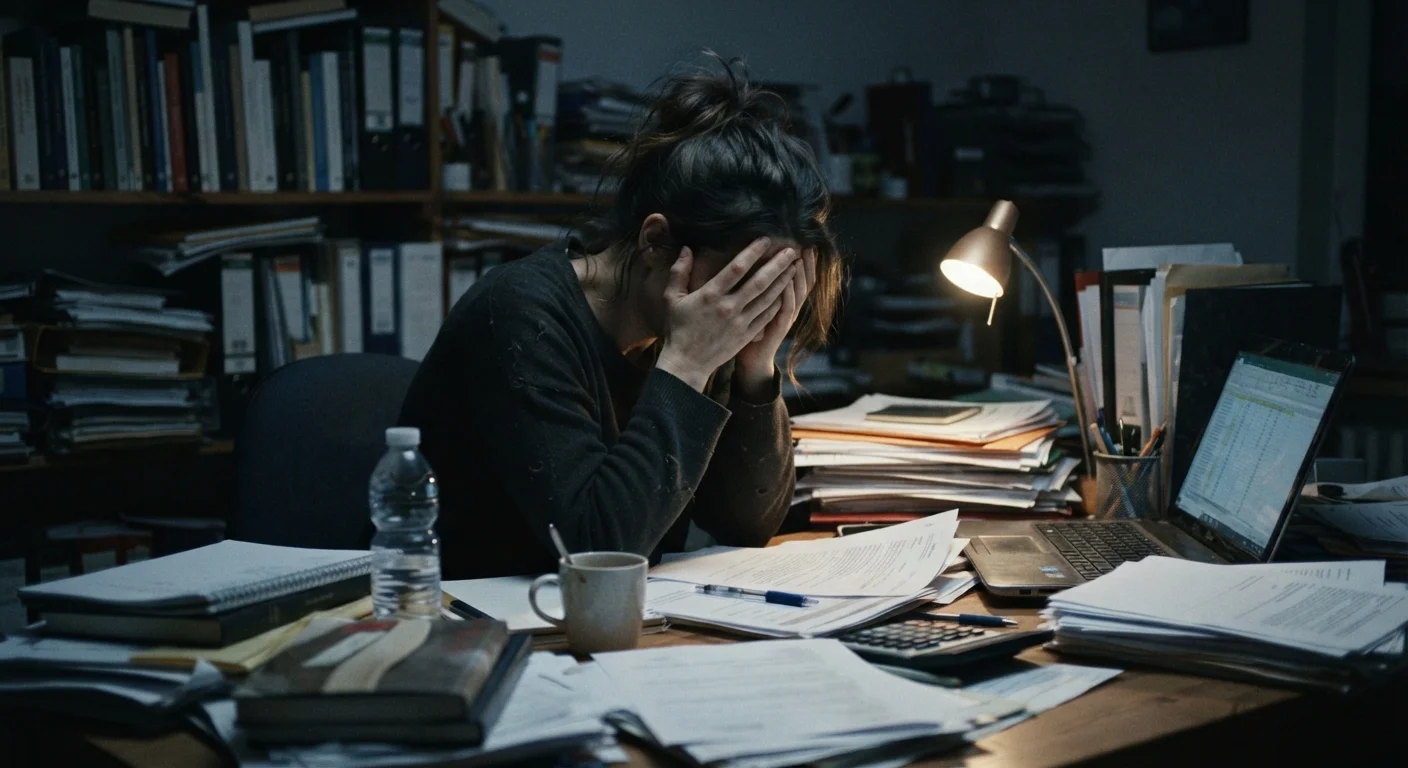

When "Just Keep Going" Stops Working
Most of us were raised to believe that persistence pays off. When things feel hard, we push harder. When energy dips, we reach for coffee and deadlines. This mindset works well for ordinary stress - the kind that resolves once the pressure lifts. But burnout operates differently, and treating it like a motivation problem rather than a depletion problem is one of the most common - and costly - errors people make.
Understanding why your usual strategies stop working is not a sign of weakness. It's the first step toward responding to what's actually happening in your mind and body. The mistakes below are widely shared, which means you're far from alone if you recognize yourself in them.
Common Mistakes That Keep Burnout Going
These patterns tend to develop gradually, often starting with the best intentions. Recognizing them - without judgment - opens the door to doing things differently.
Treating burnout like a motivation slump and trying to "will" your way through it.
Why it happens: Productivity culture often frames exhaustion as a personal failing, pushing people to interpret depletion as laziness rather than a genuine physiological and psychological state.
Adding more wellness habits on top of an already overloaded schedule without reducing demands.
Why it happens: Self-care advice is everywhere, and it's tempting to treat it as additive - squeeze in meditation, journaling, and exercise - without removing anything from an already exhausting routine.
Dismissing early warning signs as normal stress and delaying any response.
Why it happens: Early burnout often looks a lot like a hard week - irritability, mild detachment, difficulty concentrating. These feel temporary and manageable, so many people wait for a "good reason" to slow down.
Using intense physical exercise as the primary burnout strategy without considering whether it adds stress.
Why it happens: Exercise is widely recommended for stress relief, and for good reason - but when someone is already deeply depleted, high-intensity training can compound physiological stress rather than relieve it.
Conflating a brief holiday or long weekend with the deeper recovery burnout actually requires.
Why it happens: Short breaks feel like a natural solution, and there's social pressure to return from time off feeling refreshed. When they don't help, people often blame themselves rather than recognizing that burnout demands a more sustained response.
Burnout Can Masquerade as Laziness
One of the most harmful aspects of burnout is how easily it gets misread - by others and by the person experiencing it. Emotional flatness, reduced output, and withdrawal are symptoms of depletion, not character flaws. Blaming yourself for these responses can deepen shame and delay the kind of self-compassion that supports recovery. If you're unsure whether what you're experiencing is burnout, consider speaking with a mental health professional who can help you make sense of your experience.
Why Rest Avoidance Is Especially Counterproductive
77%
Workers who report experiencing burnout
A Deloitte workplace survey found that roughly 77% of respondents said they had experienced burnout at their current job.
2-3x
Increased likelihood of leaving a job
Research consistently finds that employees experiencing burnout are significantly more likely to leave their positions compared to those who are not burned out.
One of the clearest distinctions between normal fatigue and burnout is how the body responds to rest. As explored in Tired vs. Burned Out, fatigue typically lifts after a good night's sleep or a weekend away. Burnout often doesn't - because it isn't just physical tiredness. It's a state of chronic resource depletion that affects motivation, emotional regulation, and the ability to find meaning in your work.
When rest-avoidance continues, the nervous system stays locked in a stress-response cycle. Over time, this can dull the very capacity for recovery. People in this state frequently report that vacations feel useless or that they return to work feeling no better than when they left - a sign that short breaks can't undo long-term accumulation. Burnout builds in stages, and the further it progresses before intervention, the more time genuine recovery tends to require.
This article is for general informational purposes only and is not a substitute for professional medical or mental health advice. If you are experiencing significant distress, please reach out to a qualified healthcare provider.