What Are These Two Conditions?
Depression isn't a single, uniform experience. It appears in different patterns, durations, and intensities - and two of the most commonly discussed forms are Persistent Depressive Disorder (PDD) and Major Depressive Disorder (MDD). Both fall under the broader umbrella of depressive disorders, and both are recognized in the DSM-5, the standard clinical reference used by mental health professionals in the United States.
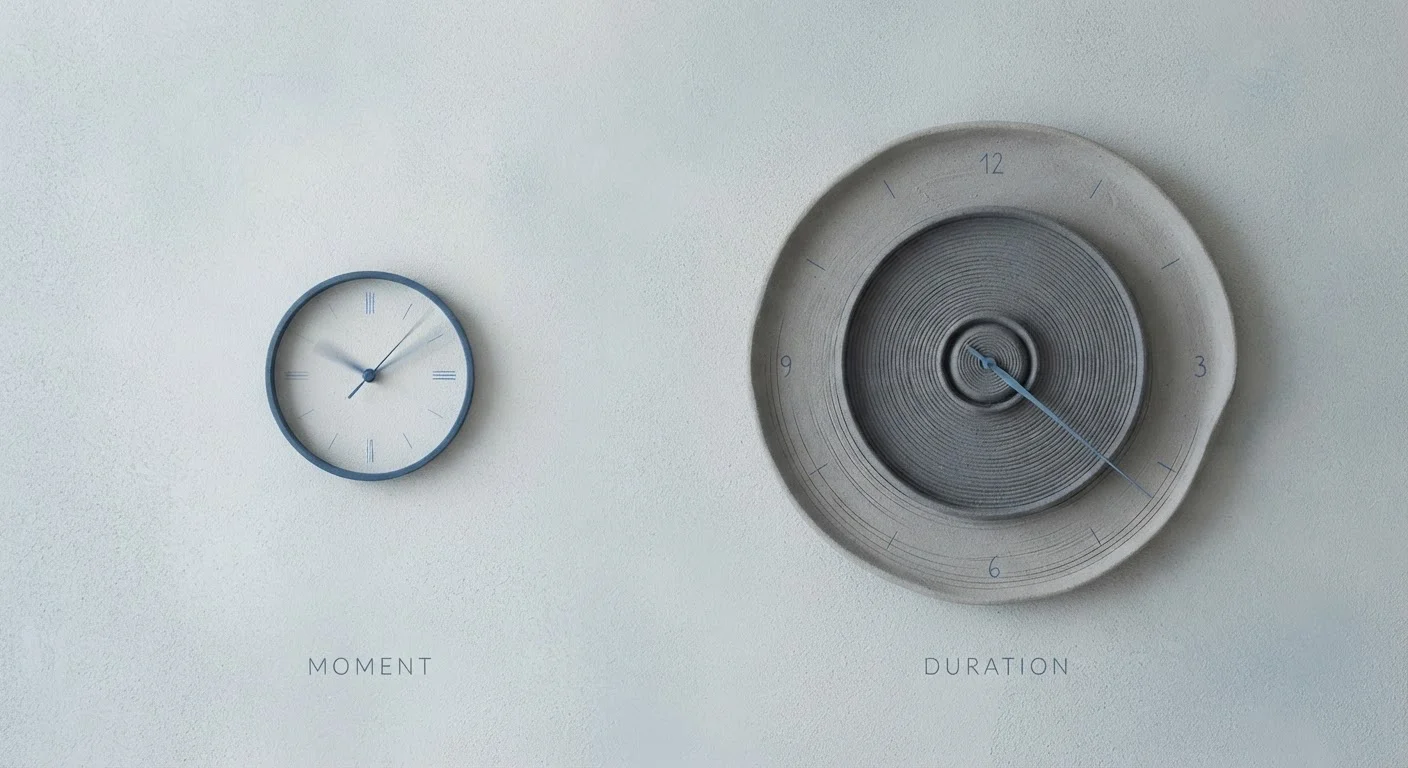
PDD - sometimes referred to by its older name, dysthymia - is defined by a depressed mood that is present for the majority of the day, on most days, for at least two years in adults. The symptoms may be less severe than MDD, but their chronicity can significantly erode a person's sense of wellbeing over time.
MDD involves one or more distinct episodes of intense depressive symptoms lasting at least two weeks. During an episode, a person may experience profound sadness, loss of interest in almost all activities, changes in sleep and appetite, difficulty concentrating, and in serious cases, thoughts of death or self-harm.
To learn how these conditions fit into the full picture, see the different forms depression can take.
This article is for general informational purposes only and is not a substitute for professional medical advice, diagnosis, or treatment. Please consult a qualified healthcare provider with any questions about your mental health.
Key Differences: A Side-by-Side Look
Understanding the distinctions between PDD and MDD can help you make sense of what you - or someone you care about - might be experiencing. The comparison below highlights the core differences across several important dimensions.
| Criterion | Persistent Depressive Disorder (PDD) | Major Depressive Disorder (MDD) |
|---|---|---|
| Minimum duration | 2 years (adults) | 2 weeks per episode |
| Symptom intensity | Milder, but chronic | More severe, episodic |
| Pattern | Continuous, persistent | Distinct episodes with possible recovery periods |
| Impact on daily life | Gradual erosion of wellbeing | Often significant disruption during episodes |
| DSM-5 recognized | Yes | Yes |
| Can co-occur | Yes - MDD episodes can occur within PDD | Yes - episodes can overlay existing PDD |
One important nuance: it is possible to have both conditions at the same time. When a major depressive episode occurs on top of an existing PDD diagnosis, clinicians sometimes call this double depression. This is not a formal DSM-5 category but is a clinically useful concept that helps explain why some people experience their depression as both constant and periodically much worse.
How Symptoms Show Up Day to Day
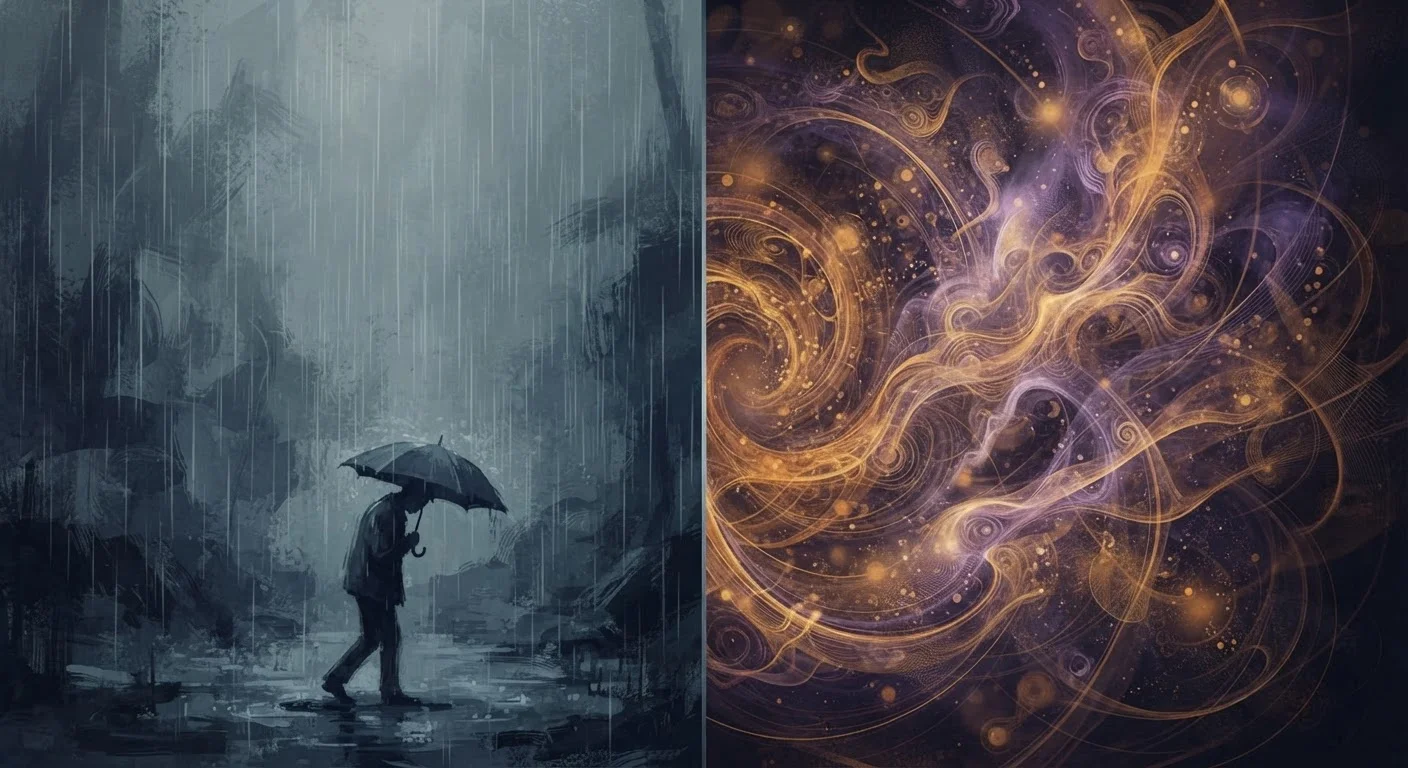
The day-to-day experience of PDD is often described as feeling like a persistent gray cloud - a low-grade heaviness that rarely fully lifts. Because the mood shift is gradual and long-standing, people with PDD sometimes describe it as "just the way I am," making it easy to miss or normalize. Common symptoms include low self-esteem, low energy, poor concentration, and a general sense of hopelessness.
MDD, by contrast, tends to arrive with more force. An episode can feel like a sudden shift - a significant loss of pleasure in things that used to feel meaningful (called anhedonia), marked changes in sleep or appetite, and in some cases, difficulty getting through basic daily tasks. The intensity can be disorienting, particularly for someone experiencing it for the first time.
~7%
Adults affected by MDD annually in the U.S.
According to the National Institute of Mental Health, major depressive disorder is one of the most common mental health conditions in the United States.
~2%
U.S. adults estimated to have PDD
The American Psychiatric Association notes that PDD, while less prevalent than MDD, causes significant and lasting impairment due to its chronic nature.
It's worth noting that neither condition looks exactly the same in every person. Some individuals experience more physical symptoms; others, more emotional or cognitive ones. If you're unsure whether what you're feeling is sadness or something more, understanding how depression differs from ordinary sadness can be a helpful starting point.
Diagnosis and Getting Support
Only a qualified mental health professional - such as a psychiatrist, psychologist, or licensed therapist - can diagnose either condition. Diagnosis typically involves a structured clinical interview and a review of symptom history, duration, and impact on daily functioning. No blood test or brain scan can diagnose depression; the process is clinical and conversational.
Both PDD and MDD are treatable. Approaches often include psychotherapy (particularly CBT and related evidence-based methods), medication, or a combination of both, depending on individual circumstances. The right path forward is always a decision made between a person and their healthcare provider.
If you're curious about how depressive patterns compare to other mood conditions, understanding how bipolar depressive episodes differ from clinical depression may also be worth reading.
Reaching out for help - whether that's talking to a doctor, a therapist, or even a trusted person in your life - is a meaningful and courageous step. Both PDD and MDD deserve to be taken seriously, and effective support exists for both.
When to Seek Immediate Help
If you or someone you know is experiencing thoughts of self-harm or suicide, please reach out to a crisis service immediately. In the U.S., you can call or text 988 to reach the Suicide and Crisis Lifeline, available 24 hours a day. You do not have to navigate this alone, and help is available right now.