Why Depression Isn't Just One Thing
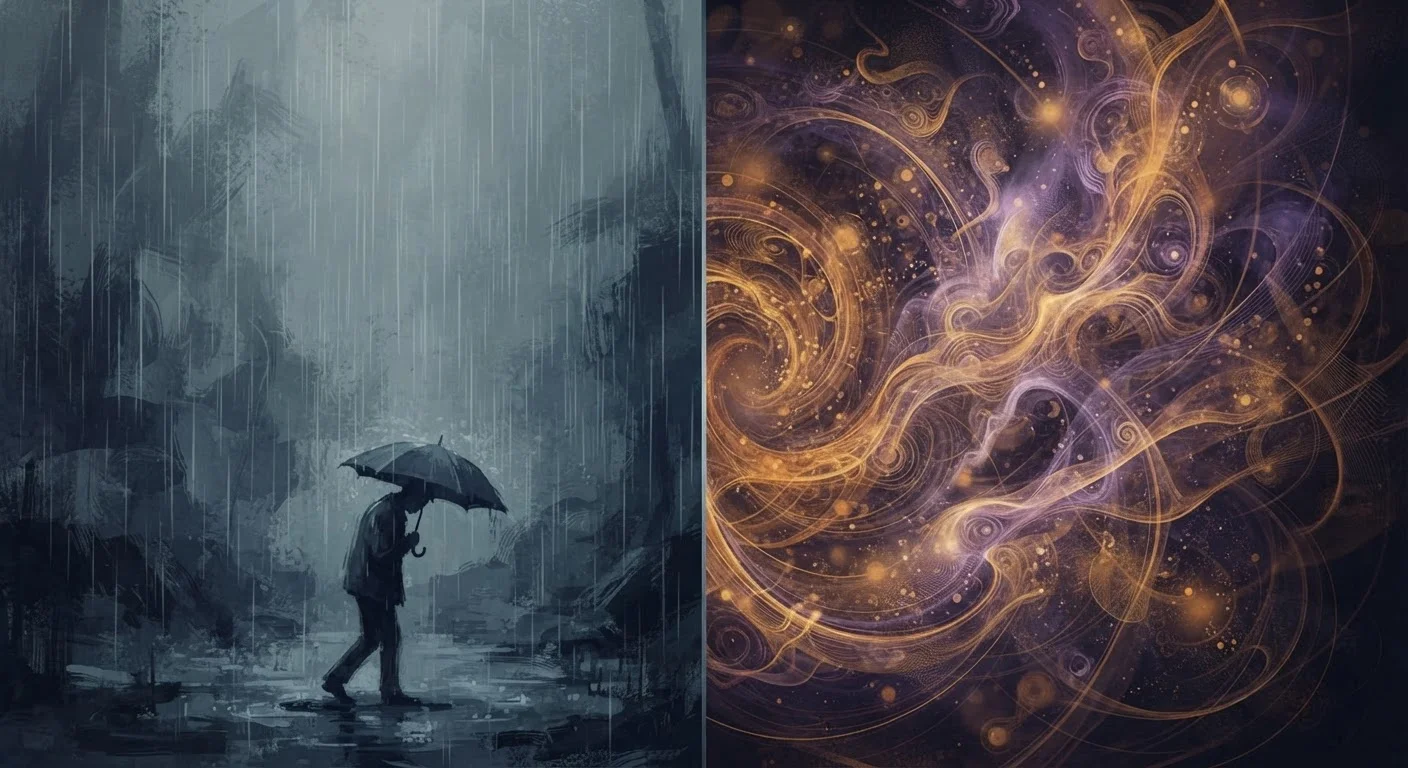
When most people hear the word 'depression,' they picture a single condition - persistent sadness, low energy, withdrawal from life. That picture is partly right, but it's incomplete. Depression is actually an umbrella term covering several distinct disorders, each with its own defining features, timeline, and triggers.
Understanding the differences matters. Someone who struggles with low mood every winter may not recognize their experience as seasonal affective disorder. Someone who has felt 'just a little down' for years may not realize that qualifies as a depressive disorder. Sadness and clinical depression are also easy to confuse, which can delay people from getting appropriate support.
This article outlines the most recognized forms of depression in plain language so you can better understand what you or someone close to you might be experiencing.
Major Depressive Disorder
Major depressive disorder (MDD) is what most clinical conversations about depression center on. A major depressive episode involves at least five of the following symptoms - present nearly every day for at least two weeks:
- Persistent low or empty mood
- Loss of interest or pleasure in activities once enjoyed (called anhedonia)
- Significant changes in appetite or weight
- Sleep disturbances - sleeping too much or too little
- Physical slowing or restlessness noticeable to others
- Fatigue or loss of energy
- Feelings of worthlessness or excessive guilt
- Difficulty concentrating or making decisions
- Recurrent thoughts of death or suicide
At least one of those symptoms must be depressed mood or loss of interest. MDD can occur as a single episode or return repeatedly throughout a person's life. A broader introduction to depression basics can help orient anyone new to this topic.
8.3%
US adults with a major depressive episode in the past year
According to the National Institute of Mental Health (NIMH), an estimated 8.3% of US adults experienced at least one major depressive episode in 2021.
~5%
Global population affected by depression
The World Health Organization estimates that approximately 5% of adults worldwide live with depression at any given time.
1 in 7
New mothers affected by postpartum depression
Research published by the CDC suggests that roughly 1 in 7 women experiences symptoms consistent with postpartum depression after childbirth.
Persistent Depressive Disorder
Persistent depressive disorder (PDD) - formerly called dysthymia - involves a chronically low or depressed mood that lasts for at least two years in adults. The symptoms are often less severe than MDD, but their staying power makes them easy to dismiss or normalize.
People with PDD sometimes describe themselves as 'just being a pessimist' or feeling like low mood is simply part of their personality. That perception can prevent them from seeking help. PDD is a recognized clinical condition, not a character trait.
PDD and Major Depression Can Co-Occur
Some people with persistent depressive disorder also experience major depressive episodes on top of their baseline low mood - a pattern clinicians sometimes call 'double depression.' This combination tends to be more disabling than either condition alone and underscores the importance of a thorough professional assessment.
Seasonal Affective Disorder and Postpartum Depression
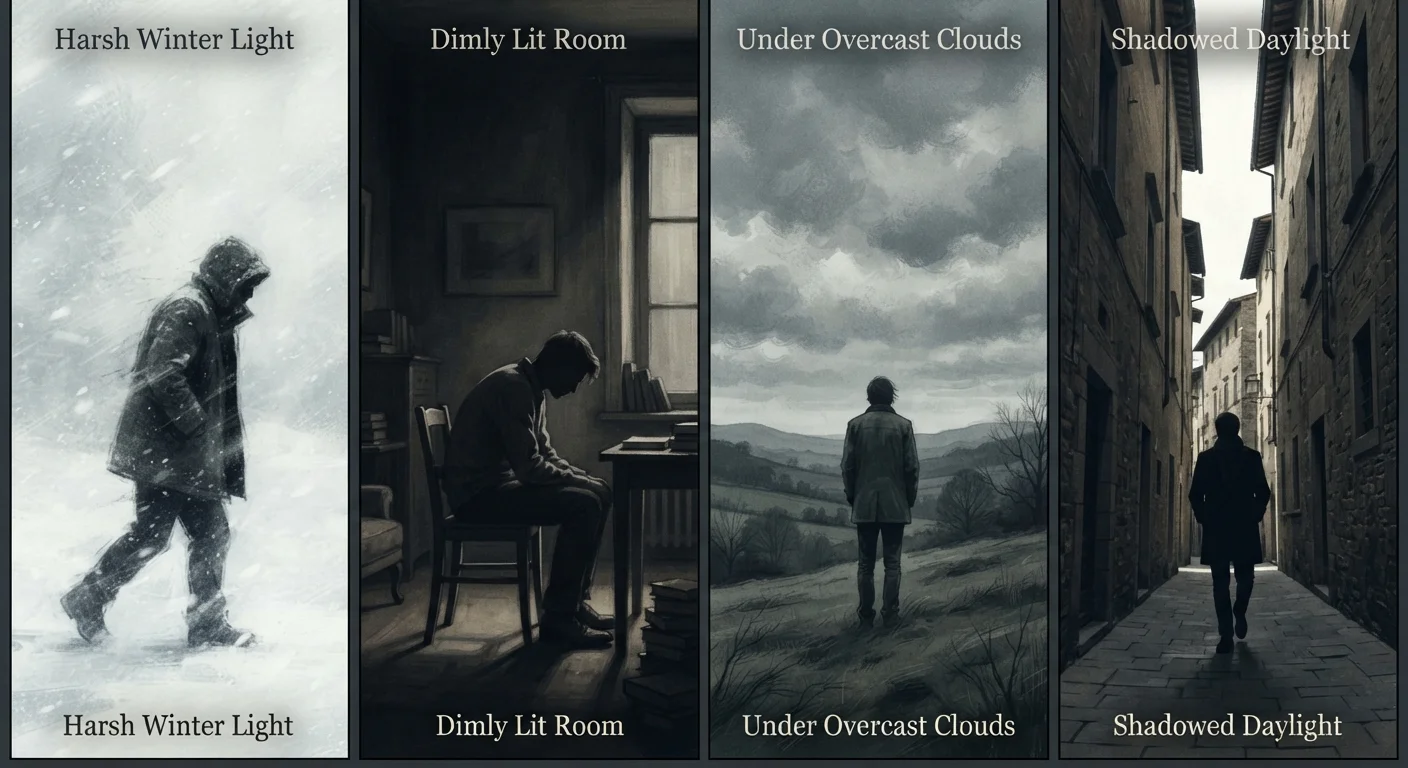
Seasonal affective disorder (SAD) is a form of major depression tied to seasonal changes - most commonly the reduced daylight of fall and winter. Symptoms typically lift in spring. Seasonal mood changes affect many people mildly, but SAD involves the full criteria for a major depressive episode on a predictable seasonal schedule.
Postpartum depression (PPD) occurs after childbirth and goes well beyond the mild 'baby blues' that many new parents experience in the first week or two. PPD involves a major depressive episode that can begin during pregnancy or within a year of delivery. It requires professional support and, if left unaddressed, can affect both the parent's wellbeing and the developing parent-infant relationship.
It's also worth noting that depressive episodes can occur within bipolar disorder, where they carry different treatment implications. A proper evaluation by a mental health professional is essential to distinguish unipolar depression from bipolar disorder.
What to Do If You Recognize These Signs
Recognizing a pattern in yourself or someone close to you is a meaningful first step - but it is not a diagnosis. Only a licensed healthcare provider can assess whether a depressive disorder is present and recommend appropriate next steps.
If symptoms have persisted for two weeks or more, or if you notice these patterns returning seasonally or after major life events, speaking with a primary care provider or mental health professional is worth doing. Early attention generally leads to better outcomes.
If you or someone you know is experiencing thoughts of self-harm or suicide, contact the 988 Suicide & Crisis Lifeline by calling or texting 988 in the US.
This article is for general informational and educational purposes only. It is not a substitute for professional medical advice, diagnosis, or treatment. Always consult a qualified healthcare provider with any questions you may have about a mental health condition.