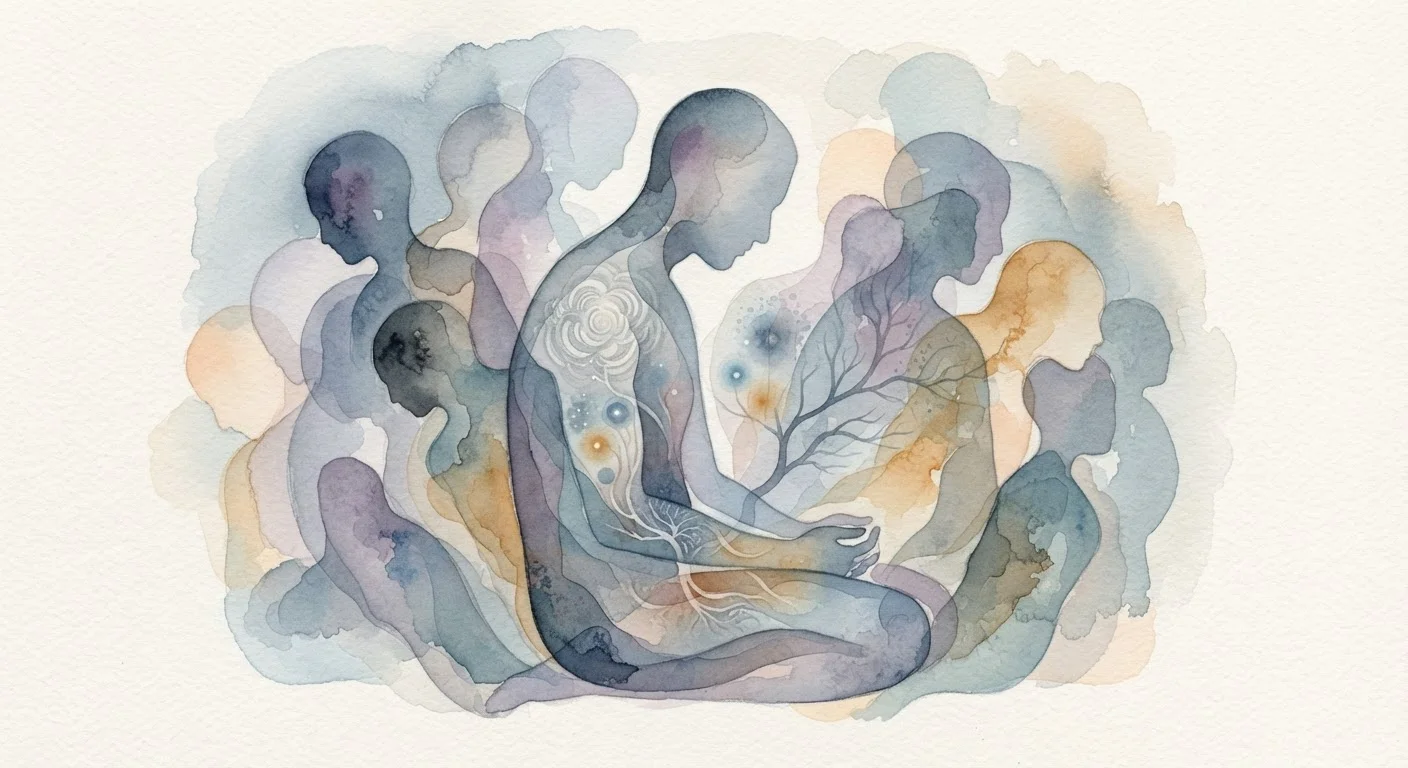

What Is Sadness?
Sadness is one of the most fundamental human emotions. It arises in response to something specific - a loss, a disappointment, a conflict, or an unwelcome change. When a relationship ends, a loved one dies, or plans fall apart, feeling sad is the natural, expected reaction.
Key features of sadness include its connection to a recognizable cause and its tendency to ease over time. Most people can still find moments of relief or even pleasure while sad. They can cry, talk about how they feel, and gradually move through the emotion as life continues. Sadness, in this sense, is something that happens to you in response to the world around you - and then, with time, it passes.
Understanding how emotions are processed is part of good mental health. Our guide on emotional regulation vs. emotional suppression explores why working through feelings - rather than pushing them aside - matters for long-term wellbeing.
What Is Depression?
Depression - clinically referred to as major depressive disorder (MDD) - is a recognized medical condition, not simply an intensified version of sadness. According to diagnostic criteria established in the DSM-5 (the standard reference used by U.S. mental health clinicians), a depressive episode involves at least five specific symptoms persisting for two weeks or more, with at least one being either persistent low mood or loss of interest in activities.
Those symptoms can include disrupted sleep, significant changes in appetite or weight, fatigue, difficulty concentrating, feelings of worthlessness or excessive guilt, and in some cases, thoughts of death or suicide. Crucially, these symptoms interfere with a person's ability to function - at work, in relationships, or in day-to-day tasks.
Unlike sadness, depression often has no single identifiable trigger. It can arise without an obvious reason, and it does not reliably lift when circumstances improve. Depression basics offers a broader introduction to the condition, its common forms, and how it affects daily life.
| Criterion | Sadness | Depression |
|---|---|---|
| Cause | Usually tied to a specific event | May have no clear trigger |
| Duration | Fades over days or weeks | Persists 2+ weeks by definition |
| Ability to feel pleasure | Generally retained | Often absent (anhedonia) |
| Response to good news | Mood typically lifts | Mood often unchanged |
| Physical symptoms | Rarely sustained | Common (fatigue, sleep changes) |
| Impact on functioning | Mild to moderate, temporary | Significant disruption to daily life |
| Clinical diagnosis | Not a medical condition | Diagnosable disorder (DSM-5) |
The Features That Set Them Apart
The clearest distinction is duration and function. Sadness moves; depression stays. A person who is sad can usually still enjoy a funny moment, connect with a friend, or feel better after a good night's sleep. Someone experiencing depression often finds that nothing seems to help - and may not feel like themselves at all.
Another key marker is anhedonia - the loss of interest or pleasure in activities that once brought enjoyment. This is one of depression's most telling signs and is rarely present in ordinary sadness. Someone grieving a loss may still appreciate a warm meal or a meaningful conversation. Someone in a depressive episode may find those same things feel flat or pointless.
~8%
U.S. adults affected by depression annually
The National Institute of Mental Health estimates that roughly 8% of U.S. adults experience at least one major depressive episode each year.
2 weeks
Minimum symptom duration for MDD diagnosis
DSM-5 criteria require depressive symptoms to persist for at least two consecutive weeks to qualify as a major depressive episode.
Physical symptoms also tend to differentiate the two. Depression frequently involves real, measurable changes in the body - disrupted sleep patterns, unexplained aches, changes in appetite, or a heavy, slowed-down feeling that clinicians call psychomotor retardation. Sadness, while uncomfortable, doesn't typically produce these sustained physical effects.
For a closer look at how depression actually presents in daily life, see what depression actually feels like.
When to Seek Support
If you're experiencing low mood that has lasted two weeks or more, is not clearly tied to a specific event, or is making it hard to carry out everyday responsibilities, it's worth speaking with a healthcare professional. Depression is treatable, and early support generally leads to better outcomes.
It's also worth reaching out if sadness feels overwhelming or is accompanied by thoughts of harming yourself. In those situations, professional guidance is important - and in a crisis, calling or texting 988 (the Suicide and Crisis Lifeline in the US) connects you with trained support immediately.
Depression also comes in different forms - some longer-lasting, some seasonal, some tied to other health conditions. Understanding the different forms depression can take can help you and a clinician find the most appropriate path forward.
This article is for informational purposes only and is not a substitute for professional medical advice, diagnosis, or treatment. Always consult a qualified healthcare provider with questions about your mental health or any medical condition.