Beyond the Classic Pattern
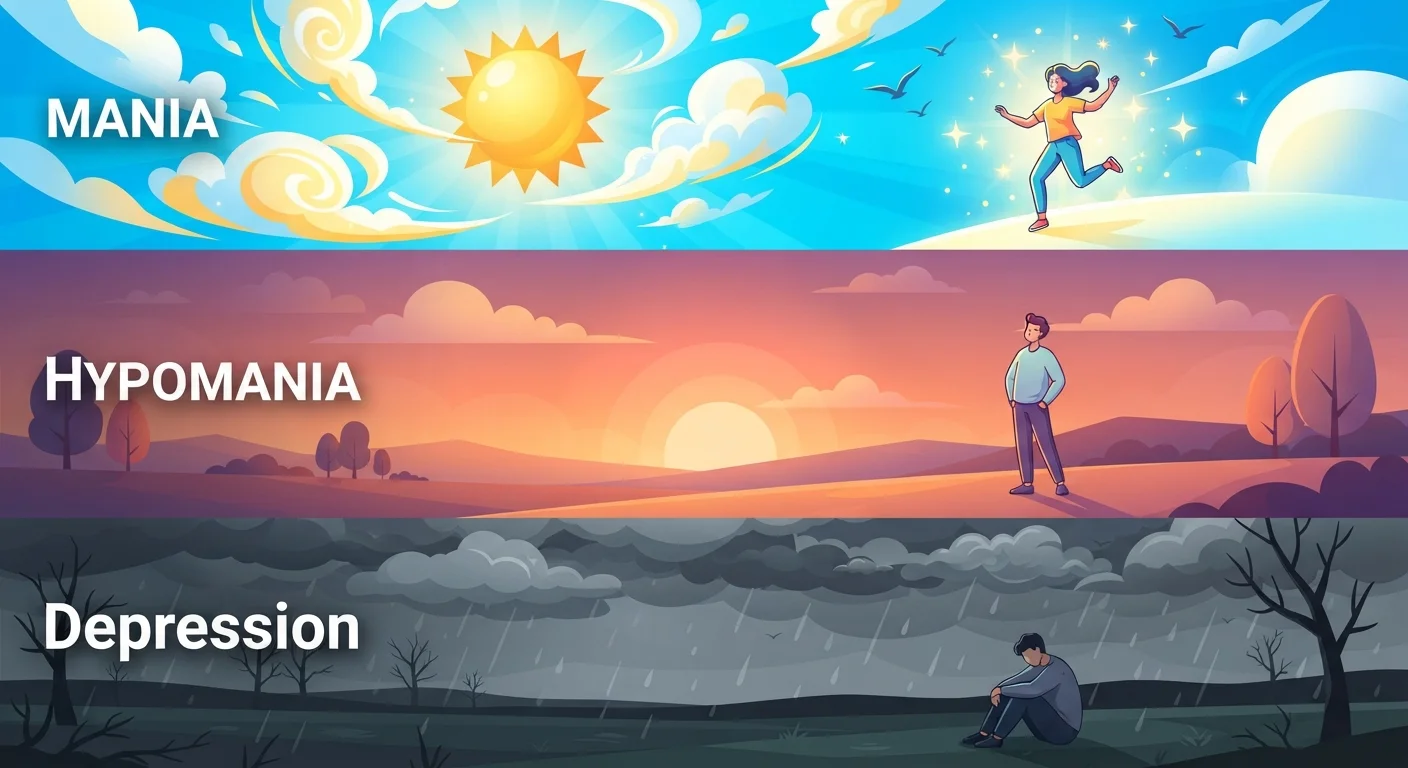
Most people picture bipolar disorder as a straightforward alternation between dramatic highs and crushing lows. That picture captures part of the reality - but the bipolar spectrum is wider and more varied than that. Mania, hypomania, and depression are the core episode types, but several other patterns appear within bipolar disorder and related conditions: cyclothymia, rapid cycling, and mixed states. Each one adds important nuance to how bipolar spectrum conditions are recognized and understood.
This reference defines each term, explains how clinicians distinguish one from another, and clarifies why these distinctions matter for anyone trying to make sense of their own experience or support someone they care about.
| Cyclothymia duration requirement | At least 2 years of symptoms (1 year for youth) (DSM-5 diagnostic criteria) |
| Rapid cycling threshold | 4 or more mood episodes in 12 months (DSM-5 specifier definition) |
| Mixed features | Symptoms of both poles present simultaneously (DSM-5 mixed features specifier) |
| Cyclothymia diagnostic status | Recognized distinct condition, not just "mood swings" (DSM-5, bipolar and related disorders chapter) |
| Rapid cycling occurrence | Can occur in Bipolar I and Bipolar II (Clinical consensus) |
Cyclothymia: A Milder but Persistent Instability
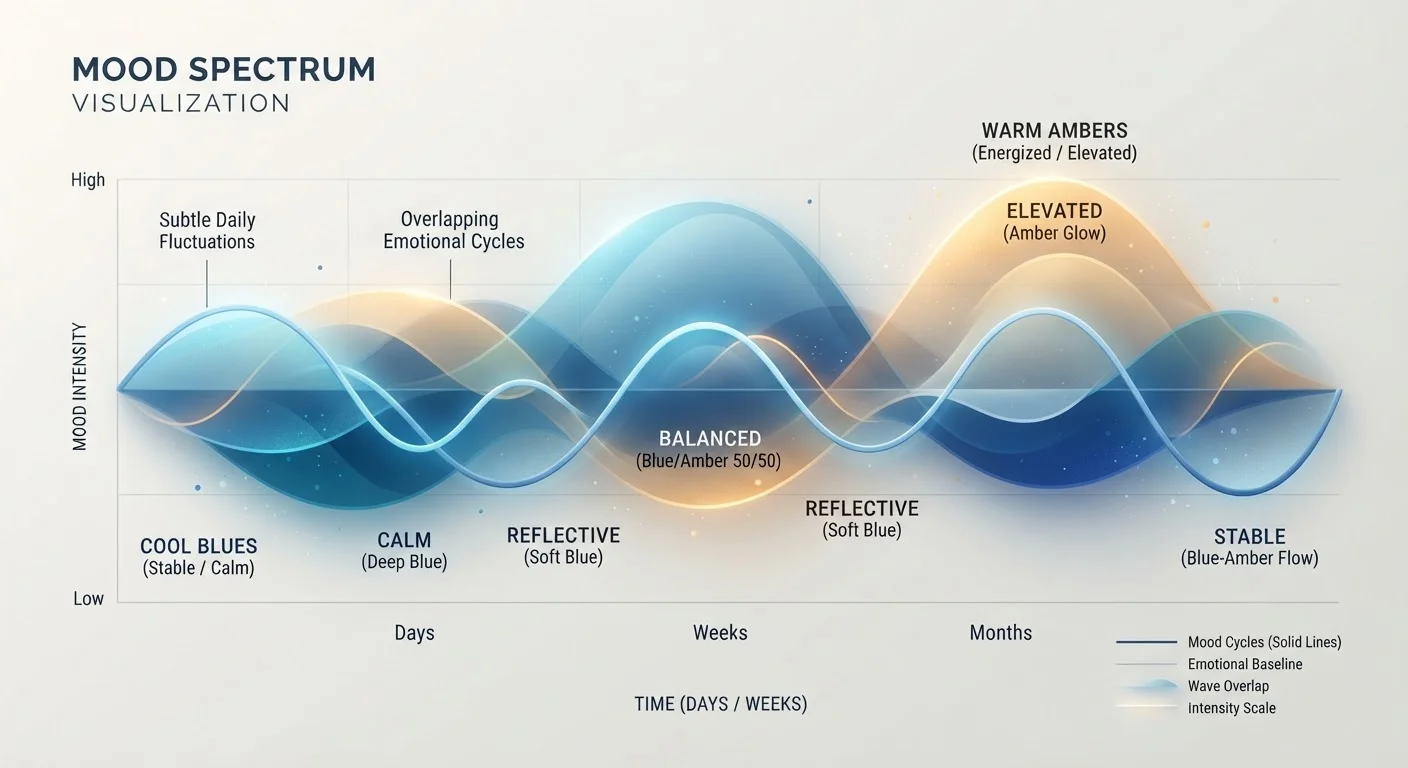
Cyclothymia (formally called cyclothymic disorder) is a condition marked by numerous periods of hypomanic symptoms and depressive symptoms over at least two years - but neither set of symptoms meets the full diagnostic threshold for a hypomanic episode or a major depressive episode. Think of it as a chronic low-grade version of mood instability rather than full-blown bipolar cycling.
Because the individual mood states are less severe, cyclothymia is frequently missed or mistaken for a difficult personality, emotional sensitivity, or ordinary stress. However, the DSM-5 (the standard diagnostic reference used in the US) classifies it as a distinct condition because the pattern is chronic, disruptive, and carries meaningful risk of developing into Bipolar I or II over time.
Cyclothymic disorder
A chronic mood condition characterized by numerous periods of hypomanic and depressive symptoms over at least two years, where neither reaches the threshold of a full episode. It is classified on the bipolar spectrum.
Rapid cycling
A course specifier for bipolar disorder indicating four or more distinct mood episodes within a twelve-month period. It describes the pattern of illness rather than a separate diagnosis.
Mixed features specifier
A DSM-5 designation applied when a person simultaneously experiences symptoms of both elevated and depressed mood during a mood episode. It was previously referred to as a 'mixed episode.'
Course specifier
A descriptive label added to a primary diagnosis to convey additional detail about how the condition behaves over time - such as its pattern, severity, or timing.
Hypomanic symptoms
Elevated, expansive, or irritable mood and increased energy that are noticeable but less severe or prolonged than full mania, and do not cause major functional impairment.
Key features of cyclothymia include:
- Mood shifts that are frequent and somewhat unpredictable
- Periods of relatively stable mood lasting no longer than two months at a time
- Symptoms present for at least two years (one year in children and adolescents)
- Functional impairment - relationships, work, and daily life are affected
Cyclothymia is not simply "mood swings" in a casual sense. A qualified mental health professional can help distinguish it from other conditions through a thorough clinical evaluation.
Rapid Cycling: When Episodes Come Quickly
Rapid cycling is a course specifier - meaning it describes how someone's bipolar disorder behaves over time, not a separate diagnosis. It applies when a person experiences four or more distinct mood episodes (mania, hypomania, depression, or mixed) within a twelve-month period.
Rapid cycling can occur in both Bipolar I and Bipolar II. It tends to be associated with greater illness severity, more time spent in depressive phases, and can sometimes be difficult to manage. Some research suggests it occurs more commonly in women with bipolar disorder, though the reasons are not fully understood.
~20%
Estimated proportion of people with bipolar disorder who experience rapid cycling at some point
Estimates vary across clinical studies; rapid cycling is considered a common but not universal course pattern.
Up to 50%
Risk of developing Bipolar I or II after cyclothymia diagnosis
Longitudinal research suggests a meaningful subset of people with cyclothymia go on to develop a fuller bipolar disorder diagnosis over time.
A few important points:
- Episodes must be clearly demarcated - either a full recovery between them or a switch to the opposite mood pole
- Rapid cycling is not permanent; many people move in and out of this pattern over the course of their illness
- Certain triggers - including some medications and untreated thyroid conditions - have been associated with rapid cycling, which is why a comprehensive medical evaluation matters
Because episodes shift quickly, recognizing early warning signs is especially valuable for people who experience this pattern.
Mixed States: When Highs and Lows Collide
A mixed state (described in DSM-5 as a mixed features specifier) occurs when symptoms of both elevated mood and depression are present at the same time. A person might feel a racing mind, restlessness, and agitation - hallmarks of mania - while simultaneously experiencing hopelessness or suicidal thoughts typical of depression.
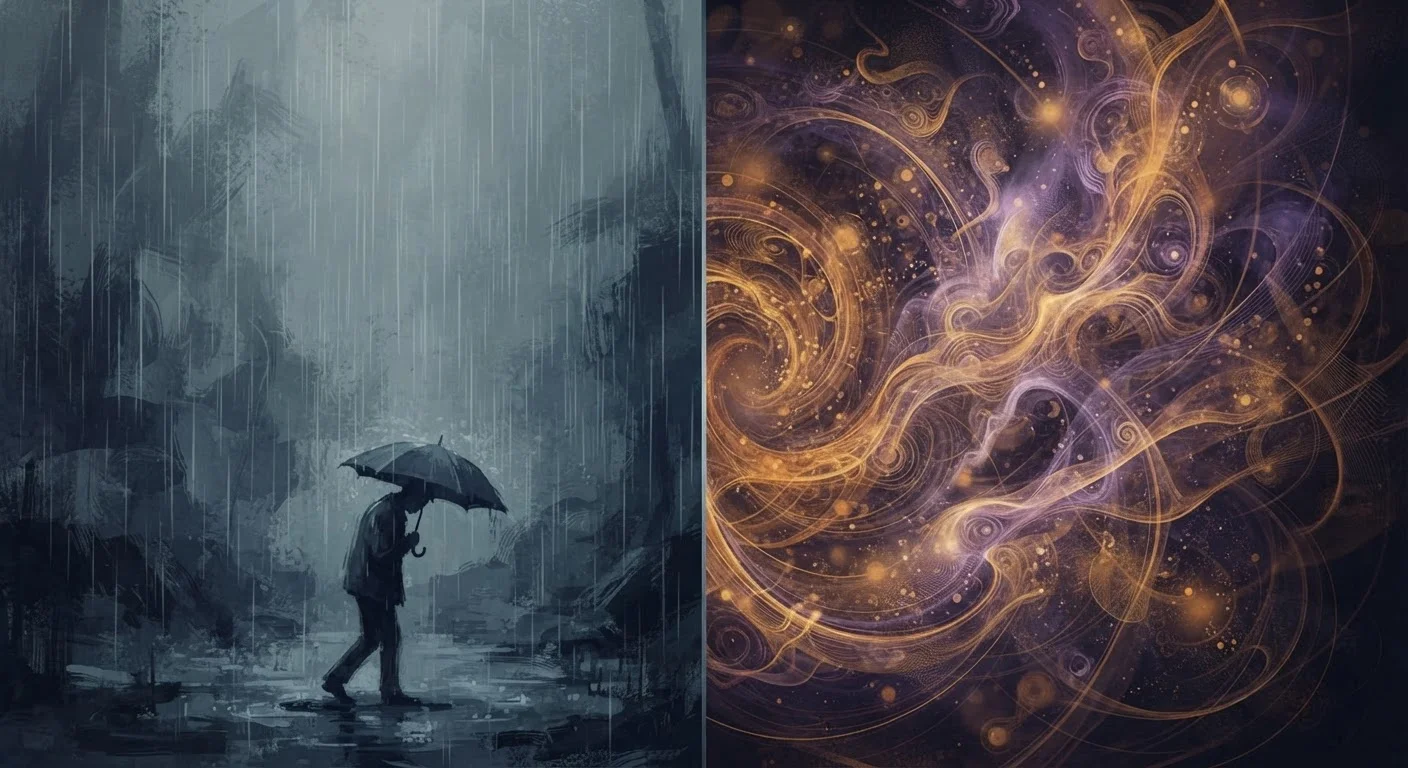
Mixed states are often described as the most distressing phase of bipolar disorder. The combination of high energy and deep despair can be particularly difficult. This is why any mental health professional evaluating bipolar disorder will ask not just about separate highs and lows but about times when both seemed to occur together.
Bipolar depressive episodes already differ meaningfully from unipolar depression - and the presence of mixed features adds further complexity to that picture. It's one reason why accurate diagnosis is so important before any treatment decisions are made.
Mixed states can occur within the context of Bipolar I, Bipolar II, or cyclothymia. They are also one of the reasons common misconceptions about bipolar disorder can be harmful - the condition is not simply about feeling very happy or very sad at different times.
This article is for general informational purposes only and is not a substitute for professional medical advice, diagnosis, or treatment. If you have concerns about your mental health, please consult a qualified healthcare provider.