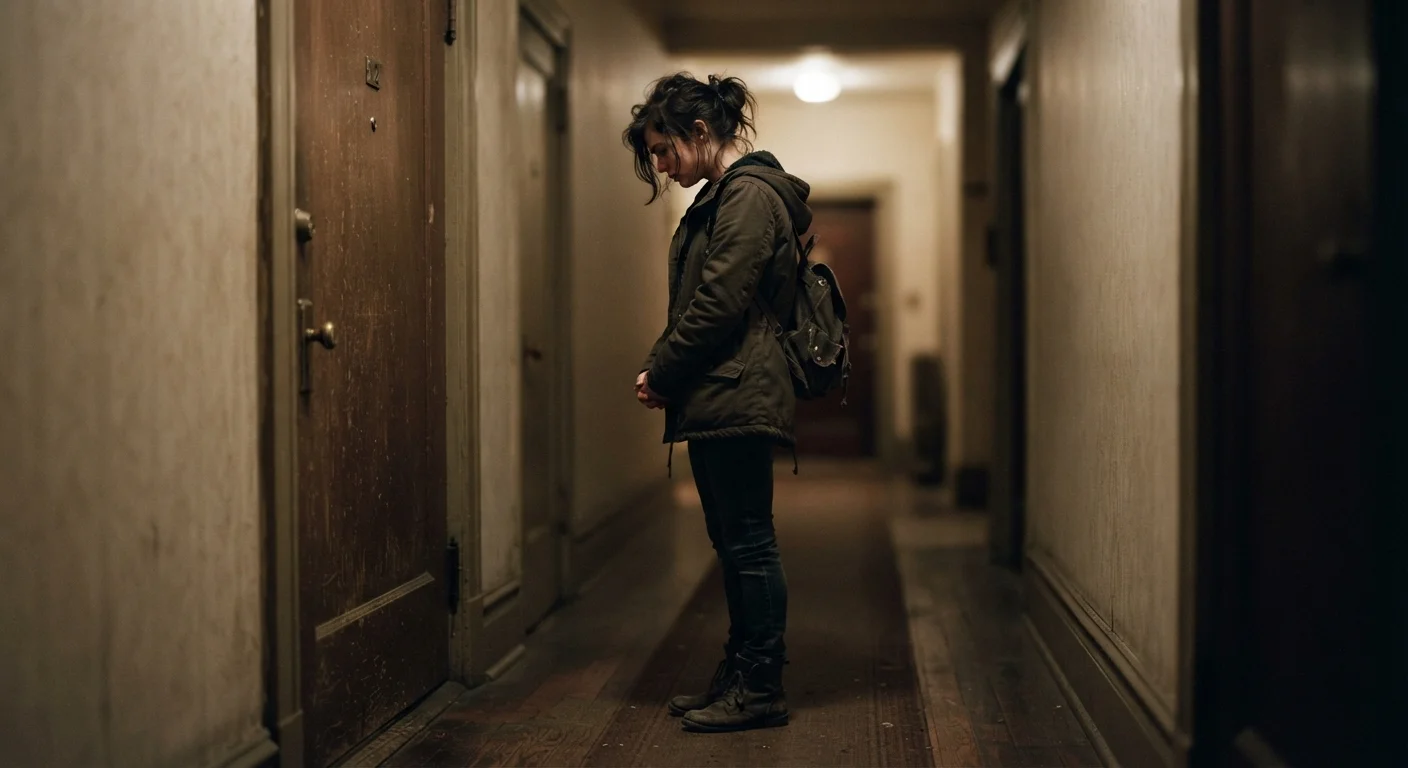

Shyness vs. Social Anxiety Disorder: An Important Distinction
Most people feel nervous before a job interview or a first date. That's a normal stress response. Social anxiety disorder - sometimes called social phobia - is something meaningfully different. It involves intense, persistent fear of social or performance situations where a person worries they'll be judged, embarrassed, or humiliated. This fear is disproportionate to the actual threat, and crucially, it interferes with daily life.
According to the DSM-5 (the Diagnostic and Statistical Manual of Mental Disorders, Fifth Edition), the diagnosis requires that fear be present in most social situations, cause significant distress or functional impairment, and persist for six months or more. A shy person may feel uncomfortable at parties; someone with social anxiety disorder may avoid them entirely - or endure them with overwhelming dread.
Understanding this distinction matters because it affects whether treatment is warranted and what form it should take. If you're unsure where your experience falls, learn how the condition shapes everyday life for those who live with it.
Cognitive Behavioural Therapy: The First-Line Psychological Treatment
CBT is consistently identified by clinical guidelines - including those from the American Psychological Association and the National Institute of Mental Health - as the most effective psychological treatment for social anxiety disorder. It works by identifying and challenging the distorted thought patterns that feed social fear, and pairing that cognitive work with structured exposure: gradually and repeatedly facing feared situations rather than avoiding them.
Exposure is especially important. Avoidance relieves anxiety in the short term but reinforces it over time, which is why learning to tolerate discomfort - in a controlled, supported way - is central to recovery.
CBT for social anxiety is typically delivered over 12 to 20 weekly sessions, either individually or in a group format. Group CBT has the added benefit of providing real social interaction as a practice environment. For a clear explanation of what a CBT session actually involves, see what happens in a CBT session.
| CBT | SSRIs / SNRIs | ACT | Guided Self-Help | |
|---|---|---|---|---|
| Evidence strength | Very strong | Strong | Moderate | Moderate |
| Requires a therapist | Yes | No (prescriber only) | Yes | No |
| Time to noticeable effect | Weeks to months | 4-8 weeks | Weeks to months | Weeks to months |
| Addresses root thought patterns | Yes | No | Yes | Partially |
| Risk of side effects | Minimal | Possible | Minimal | Minimal |
| Suitable for severe symptoms | Yes | Yes | Possibly | Less likely |
Medication Options: What the Evidence Supports
For many people, medication plays an important role - either alongside therapy or as a standalone treatment when therapy isn't accessible or sufficient on its own.
SSRIs (selective serotonin reuptake inhibitors) are considered the first-choice medication class for social anxiety disorder. Paroxetine and sertraline, for example, have FDA approval for this indication. SNRIs (serotonin-norepinephrine reuptake inhibitors) such as venlafaxine are also commonly used. These medications generally take several weeks to reach full effect and are typically continued for at least 12 months to consolidate gains.
Beta-blockers are sometimes used situationally - for example, before a public speaking event - to manage physical symptoms like a racing heart or trembling hands. They do not address the underlying anxiety disorder, however.
Benzodiazepines are occasionally prescribed for short-term relief but carry risks of dependence and are generally not recommended as a long-term treatment for social anxiety disorder.
Don't Stop Medication Without Medical Advice
SSRIs and SNRIs must not be stopped abruptly - doing so can cause withdrawal-like symptoms and a rapid return of anxiety. If you feel your medication isn't working or is causing unwanted effects, speak with your prescribing doctor before making any changes. This is especially important if you're managing another health condition at the same time.
Medication decisions should always be made with a licensed healthcare provider who can weigh individual history, potential side effects, and any other conditions present. Never start, stop, or change medication without professional guidance.
Other Recognised Approaches and How They Compare
Beyond standard CBT and medication, a number of other approaches have an evidence base or are used as part of a broader treatment plan:
- Acceptance and Commitment Therapy (ACT): Rather than challenging negative thoughts, ACT focuses on accepting uncomfortable feelings and committing to valued actions despite them. Some research suggests it is comparably effective to CBT for anxiety disorders.
- Mindfulness-Based Interventions: Mindfulness practices can reduce reactivity to anxious thoughts and improve self-awareness, though they're typically used as a complement to, rather than a replacement for, structured therapy.
- Guided Self-Help and Digital Programs: Structured online CBT programs and workbooks based on CBT principles can be helpful, particularly for people on therapy waiting lists or in areas with limited mental health services. Evidence supports their usefulness for mild to moderate social anxiety.
Social anxiety doesn't always exist in isolation. It frequently overlaps with other anxiety conditions, and understanding how it differs from generalised anxiety disorder can clarify why the treatment focus may differ between the two.
If you're considering speaking to someone for the first time, here's how to prepare for that first appointment.
This article is for informational purposes only and does not constitute medical advice. Always consult a qualified healthcare professional for guidance on diagnosis and treatment options suited to your individual circumstances.