
The Law Behind the Promise
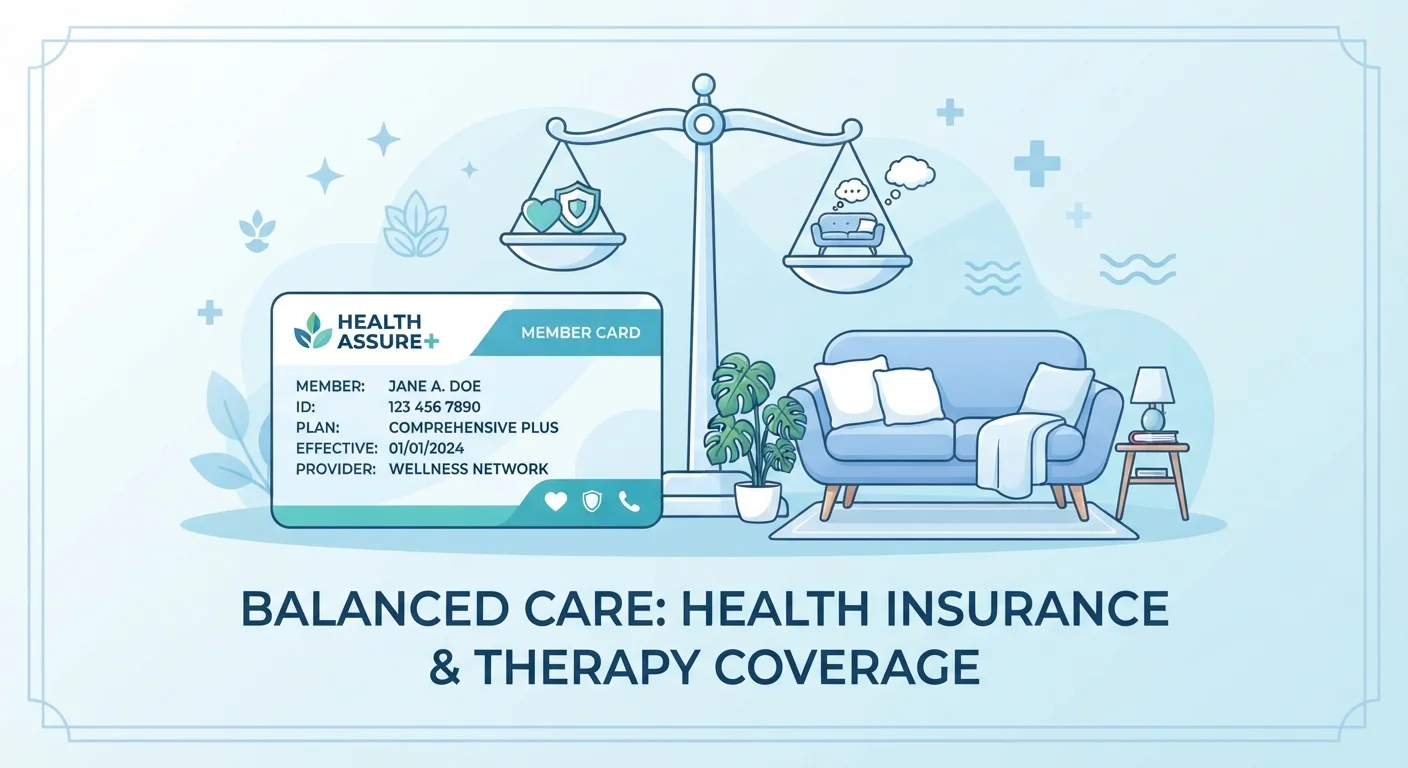
The Mental Health Parity and Addiction Equity Act (MHPAEA), signed into law in 2008, established a federal baseline: health insurance plans that cover mental health or substance use disorders must provide those benefits under terms comparable to medical and surgical coverage. The Affordable Care Act (ACA) extended this requirement to individual and small group marketplace plans and made mental health care one of ten "essential health benefits" those plans must include.
Before parity legislation, it was common for insurers to impose strict annual visit caps on therapy, charge higher cost-sharing for psychiatric care, or exclude mental health services entirely. The law was designed to dismantle those structural inequities — and it has moved the needle, though not eliminated the problem.
To understand what you're entitled to, it helps to know that parity works in two dimensions: financial requirements (such as copays and deductibles) and treatment limitations (such as visit caps and prior authorization). Both must be no more restrictive for mental health than for analogous medical services.
Parity Applies to Substance Use Too
The MHPAEA covers both mental health conditions and substance use disorders. If your plan covers detox or addiction treatment, it must do so under terms no stricter than those for comparable medical care. This is especially relevant given the ongoing demand for accessible addiction treatment services across the country.
Where the Gaps Still Show Up
Despite the legal framework, enforcement has been uneven. A consistent challenge involves non-quantitative treatment limitations (NQTLs) — restrictions that aren't expressed as numbers but still shape access. Examples include:
- Prior authorization requirements that apply to mental health visits but not to equivalent medical procedures
- Step therapy mandates requiring patients to try less intensive treatments before accessing more specialized care
- Narrow provider networks with far fewer in-network mental health providers than primary care or specialty medical providers
Federal agencies have increasingly scrutinized NQTLs, and 2023 regulatory updates under the Consolidated Appropriations Act strengthened requirements for plans to document and demonstrate parity in how these limitations are designed and applied. Still, the burden of identifying a violation often falls on the patient.
1 in 5
U.S. adults experiencing a mental illness annually
According to the National Institute of Mental Health, approximately 1 in 5 U.S. adults lives with a mental illness each year, underscoring the scale of demand for covered services.
~50%
Adults with mental illness who receive treatment
SAMHSA's National Survey on Drug Use and Health consistently finds that roughly half of adults with a mental illness do not receive any treatment in a given year, with cost cited as a leading barrier.
3x
More likely: prior auth required for mental health vs. medical
A 2023 analysis by the advocacy group Mental Health America found that prior authorization was required for mental health services at substantially higher rates than for comparable medical and surgical care across surveyed plans.
If you're trying to understand your specific plan before booking an appointment, decoding your insurance terms first can save significant frustration.
What Parity Doesn't Cover
Parity law is powerful, but it has meaningful boundaries worth understanding:
- It doesn't require coverage of mental health services. Plans must apply equal rules only if they already offer mental health benefits. Most marketplace and employer plans do, but some exempt plan types may not.
- It doesn't set prices. Parity prevents unequal cost-sharing structures, but it doesn't cap what providers charge or what insurers reimburse.
- It doesn't guarantee in-network availability. A plan may technically include mental health coverage while having so few in-network providers that access is practically difficult. This network adequacy issue is governed separately by state laws that vary considerably.
- It doesn't apply to all plan types. Grandfathered individual plans, certain self-funded church plans, and some government programs fall outside MHPAEA's reach.
For those who find insurance-based access limited, understanding the trade-offs of paying out of pocket versus using insurance is a useful next step.
Request Your Plan's Parity Analysis
Under current federal rules, your health plan is required to provide a comparative analysis of how its non-quantitative treatment limitations are applied to mental health versus medical benefits. Ask for this in writing if you've had a claim denied or face repeated prior authorization hurdles. It's one of the most direct tools available to identify a potential violation.
How to Use Parity Protections Effectively
If you believe your insurer is applying mental health restrictions that wouldn't apply to equivalent medical care, you have recourse. Start by requesting a written explanation for any denial and ask specifically whether the decision reflects a medical necessity determination — and how that standard is applied to comparable medical conditions.
You can formally request a parity compliance analysis from your insurer. Under current rules, plans are required to provide this documentation upon request. If the analysis reveals an inconsistency, you have grounds for an appeal.
Complaints about suspected violations can be filed with:
- Your state insurance commissioner (for fully insured plans)
- The U.S. Department of Labor's Employee Benefits Security Administration (for employer-sponsored plans)
- The U.S. Department of Health and Human Services (for marketplace plans)
If you're just beginning to search for a therapist through your insurance network, knowing these rights upfront puts you in a stronger position. And if you're uninsured or underinsured, understanding where therapy costs tend to break down can help you plan more realistically.
This article is for general informational purposes only and does not constitute legal, financial, or medical advice. For questions about your specific insurance coverage or a denied claim, consult a licensed insurance professional, patient advocate, or attorney familiar with health insurance law.