Why Beginners Struggle — and Why That's Completely Normal
Most people who try meditation once and quit blame themselves: they couldn't quiet their mind, they felt restless, or they simply forgot to keep going. In reality, these are near-universal beginner experiences — not personal shortcomings. Meditation is a skill, and like any skill, it feels awkward and effortful before it becomes natural.
The core misconception is that meditation means achieving a blank, peaceful mind. It doesn't. At its most basic, meditation is the repeated practice of noticing when your attention has wandered and gently returning it to a chosen focus — usually the breath. The wandering itself is the workout.
Understanding this changes everything. You're not failing when your mind drifts; you're doing exactly what the practice requires. For more on the specific stumbling blocks that catch new meditators off guard, see common early pitfalls and how to move past them.
Meditation Is General Wellness, Not Medical Treatment
The practices described here are general self-help strategies supported by behavioral research. They are not a substitute for professional mental health care. If you're experiencing significant distress, anxiety, or depression, please speak with a qualified healthcare provider alongside any self-help efforts.
The Five Practices That Make a Habit Stick
Building a meditation habit isn't about willpower — it's about removing friction and setting up conditions that make showing up easy. The following evidence-informed practices address the most common reasons beginners stall.
Start with two minutes, not twenty.
Long sessions feel intimidating and are easy to skip when schedules tighten. Beginning with just two minutes removes the psychological barrier of getting started and builds the identity of someone who meditates before extending the habit.
Attach meditation to an existing daily anchor.
Habit research consistently shows that pairing a new behavior with an established one — a technique sometimes called 'habit stacking' — dramatically reduces the mental effort needed to remember and follow through.
Choose one simple technique and stick with it for at least a month.
Beginners often hop between apps, styles, and teachers, which adds cognitive load and slows progress. Mastering one foundational method — such as breath counting — builds genuine familiarity and confidence before expanding.
Treat a missed day as data, not a verdict.
One skipped session does not break a habit; abandoning the practice after skipping one session does. Research on habit formation suggests that occasional lapses have little impact on long-term behavior if you return quickly.
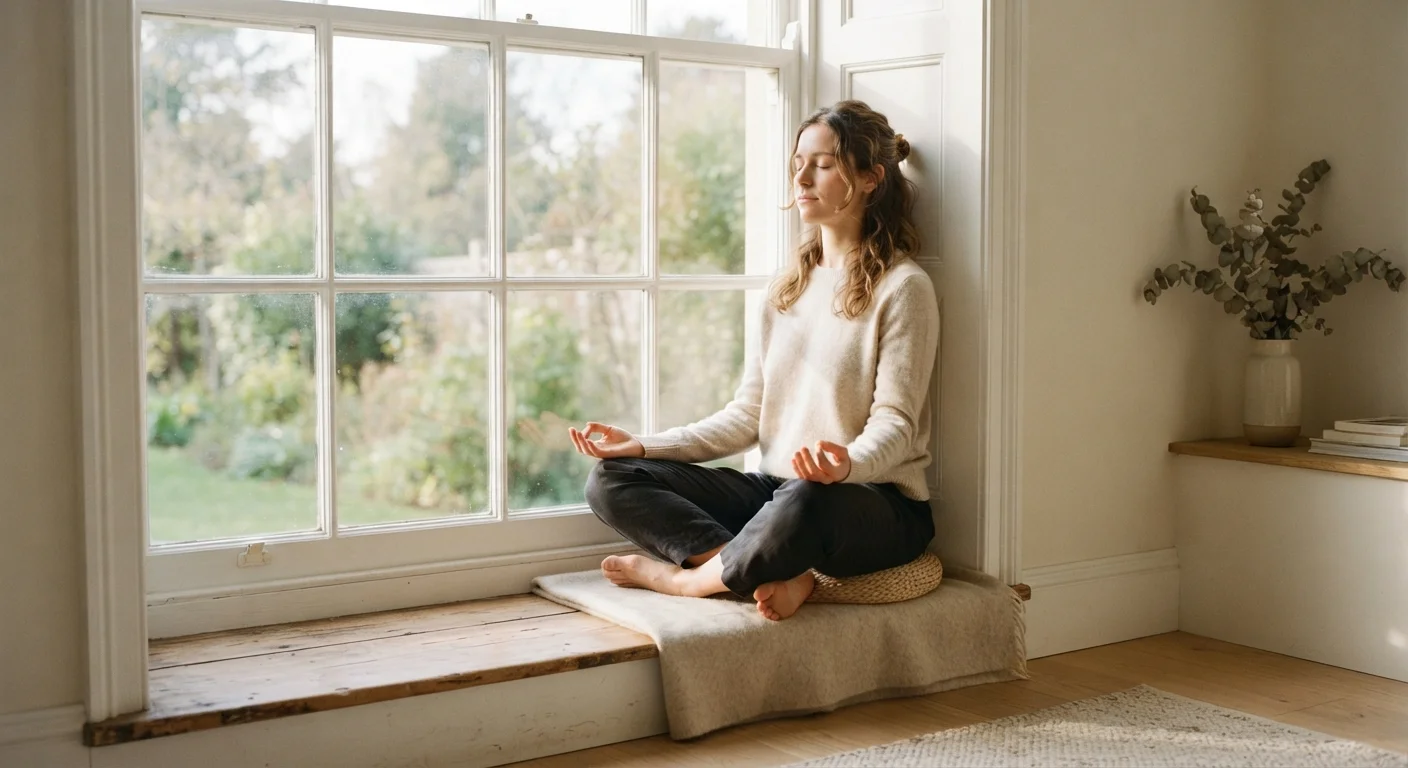
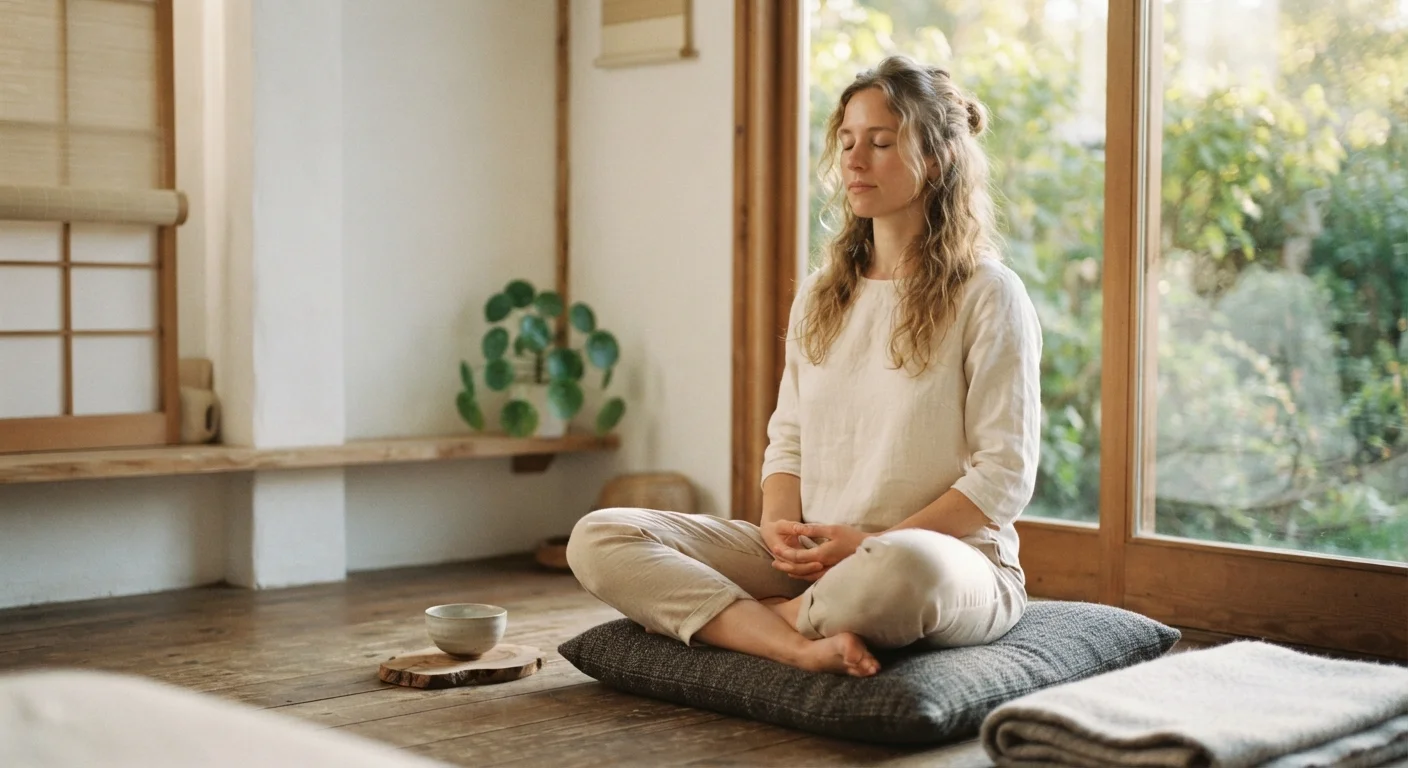
Create a minimal but consistent environment.
Environmental cues powerfully trigger habitual behavior. A specific seat, a particular time of day, or even lowering a blind sends a signal to your brain that it's time to shift gears.
Pairing meditation with conscious breathing exercises can further deepen your practice over time. The guide to building a sustainable breathing practice offers complementary techniques you can fold in once your core habit feels solid.
Quick Wins: Start Today, Not Next Monday
Habit research is clear: the best time to begin a new behavior is immediately after deciding to start it, not at an arbitrary future date. Each action below takes under five minutes and creates a real first foothold.
If you're building multiple self-care habits at once, it helps to think about how they fit together. See how meditation slots into a broader framework in this guide to building a daily mental health routine from scratch.
Keeping Momentum When Motivation Naturally Fades
Initial enthusiasm for a new habit typically peaks in the first week and then drops — this is normal, not a warning sign. What separates people who build lasting practices from those who don't usually comes down to a few structural decisions made before motivation dips.
“You don't have to control your thoughts. You just have to stop letting them control you.”
— Dan Millman, Author and educator known for writings on mindfulness and personal development
Track streaks loosely, not obsessively. A simple checkmark on a paper calendar can be surprisingly motivating without creating rigid all-or-nothing thinking. The goal is to make most days a "yes" — not to achieve perfection.
Scale down before giving up. On overwhelmed or time-crunched days, a one-minute session counts. Doing something tiny preserves the habit loop even when you can't do the full version.
Meditation pairs especially well with evening routines. If mornings feel impossible, consider folding a short session into a wind-down routine instead. The stress relief habits hub also offers additional everyday strategies to support the practice.
This article is for general informational purposes only and is not a substitute for professional mental health advice, diagnosis, or treatment. If you have concerns about your mental health, please consult a qualified healthcare professional.