More Than a Good Mood
Popular culture tends to frame mania as a supercharged version of happiness - a burst of creative energy and confidence that gets things done. That image is incomplete, and for many people living with bipolar I disorder, it's actively misleading.
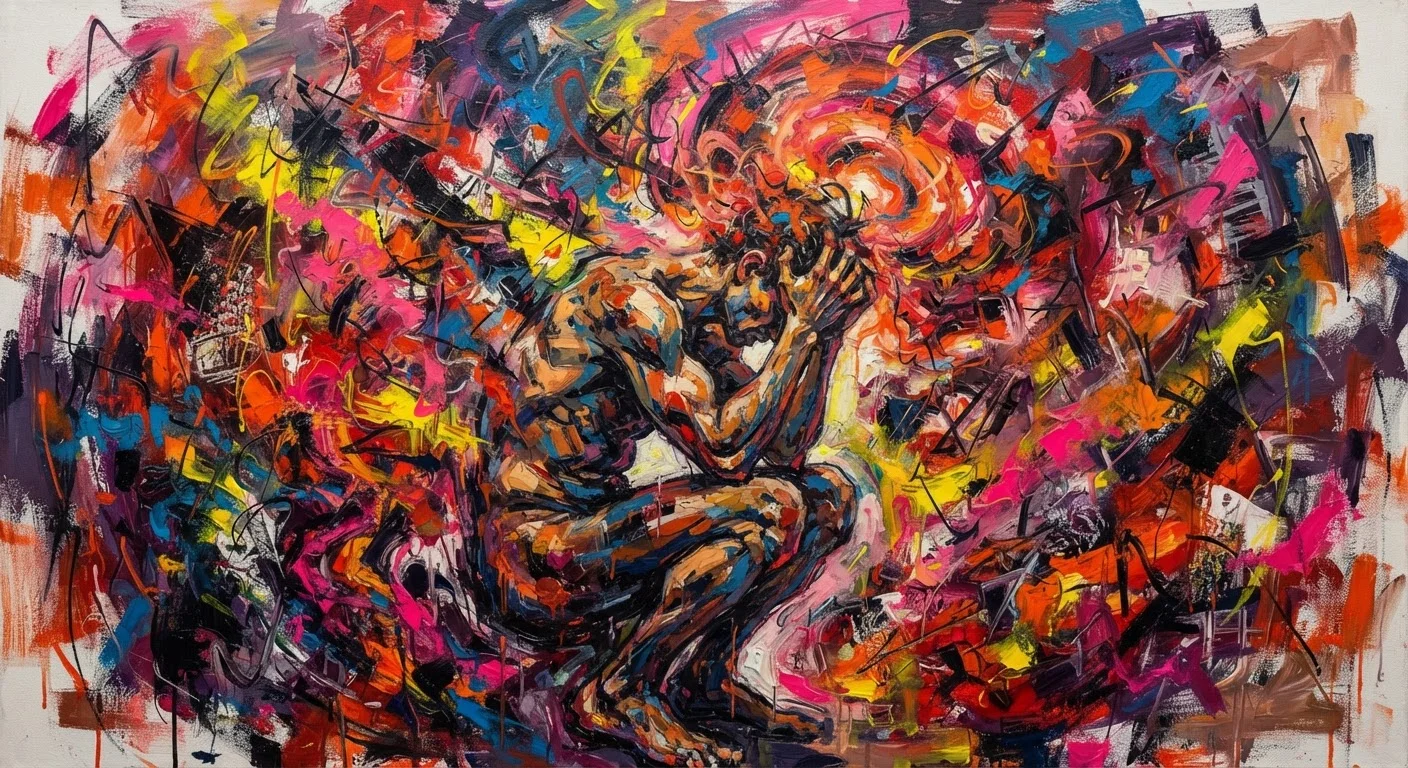
From the inside, a manic episode can begin deceptively. Energy increases. Sleep feels unnecessary rather than elusive. Ideas arrive faster than they can be spoken. For a brief window, this can feel exhilarating - a sense of finally operating at full capacity. But what starts as a feeling of clarity and purpose tends to accelerate beyond what a person can control or sustain.
Irritability is one of the most underreported features of mania. When the world doesn't keep pace - when a conversation moves too slowly, or plans are questioned - frustration can spike sharply. Some people describe their manic episodes as feeling more agitated and cornered than euphoric.
“Mania is not a gift. It is a symptom. The creativity people associate with it often comes despite the illness, not because of it - and the cost is almost always greater than the output.”
— Kay Redfield Jamison, Clinical psychologist and author with personal and professional expertise in bipolar disorder
What's Happening Inside the Mind
Racing thoughts (flight of ideas in clinical language) are central to the manic experience. This isn't ordinary busy thinking - it's a relentless torrent of associations, plans, and connections that crowd out one another before any can be completed. Speech often accelerates to match, becoming pressured and hard to interrupt.
Grandiosity - an inflated sense of one's abilities, importance, or destiny - frequently accompanies this. A person in a manic episode may become convinced they have special insight, unique gifts, or a critical mission. Crucially, this does not feel like delusion from the inside; it feels like finally seeing things clearly. This impaired self-awareness, known as anosognosia, is one reason people often resist help during an episode.
Impulsivity follows naturally. Large financial decisions, abrupt relationship changes, risky sexual behavior, and abandoning long-held responsibilities can all occur during a manic episode - not because the person doesn't care about consequences, but because the brain's usual braking mechanisms are significantly reduced.
~1%
U.S. adults with bipolar I disorder
The National Institute of Mental Health estimates approximately 1% of U.S. adults experience bipolar I disorder, which is defined by the presence of at least one manic episode.
7+ days
Minimum duration for a manic episode
DSM-5 criteria specify that a manic episode must last at least seven days (or any duration if hospitalization is required) to be clinically distinguished from briefer mood disturbances.
~60%
People with mania who have limited insight during episodes
Research consistently finds that a majority of people experiencing a manic episode have significantly impaired awareness of their own condition, complicating early intervention.
Sleep, Energy, and the Body
One of the most diagnostically significant signs of mania is a decreased need for sleep - distinct from insomnia. A person with insomnia wants to sleep but cannot. During mania, sleep may feel genuinely unnecessary. Someone might function on two or three hours a night for days and still feel - at least initially - like they have boundless reserves of energy.
This is not sustainable. As an episode progresses, the toll on the body accumulates even when the person doesn't feel it. Appetite often decreases. Physical restlessness (called psychomotor agitation) may appear as pacing, inability to sit still, or rapid, expansive gesturing.
Early warning signs of a developing episode - including subtle shifts in sleep and energy - can sometimes be identified before a full episode takes hold, which is why recognizing the pattern matters.
Track Sleep as an Early Signal
Because changes in sleep need are among the earliest and most consistent signs of an emerging manic episode, many clinicians recommend that people with bipolar disorder keep a simple daily sleep log. A pattern of sleeping significantly fewer hours while still feeling energized - rather than tired - can be an actionable early warning sign worth discussing with a mental health provider.
The Aftermath: What Becomes Clear Later
One of the most painful aspects of mania is the reckoning that comes after. Decisions that felt completely rational - even inspired - during the episode often look very different once mood stabilizes. Financial losses, damaged relationships, missed work, and actions that conflict with a person's core values are common consequences.
This aftermath can itself contribute to the depressive episodes that often follow mania in bipolar disorder. The depressive phase of bipolar disorder carries its own distinct features worth understanding separately - and contrast with mania in important ways. For more on the subjective experience of that contrast, see what depression actually feels like from the inside.
Understanding the full picture of how manic, hypomanic, and depressive episodes differ is an important step toward informed self-awareness - and toward knowing when and how to seek professional support. If you or someone you care about is experiencing these symptoms, a qualified mental health professional is the right first point of contact.
This article is for general informational purposes only and is not a substitute for professional medical advice, diagnosis, or treatment. Always consult a qualified healthcare provider with questions about a mental health condition.