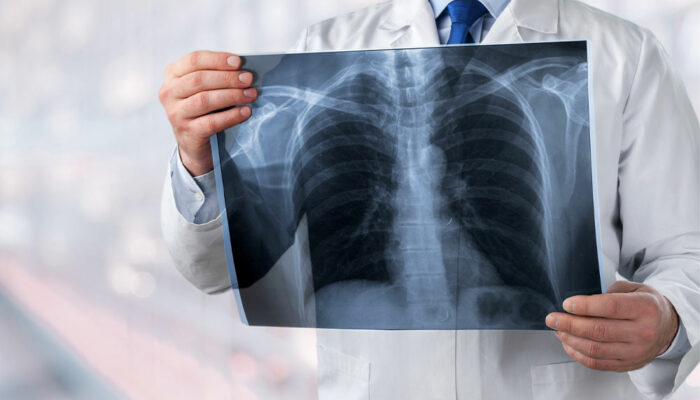
6 side effects of therapies for leukemia
health

6 side effects of therapies for leukemia

Leukemia is a kind of cancer that impacts blood cells, including the bone marrow and the lymphatic system. The goal of treatment is to eliminate the cancer cells that take over the normal function of the blood cells. However, treatment for leukemia may have several side effects that vary in type and intensity depending on the type of treatment. Here are a few of the side effects of leukemia treatment to know about. Effects on the bone marrow Chemotherapy reduces the ability of the bone marrow to produce enough blood cells. A low platelet count can result in easy bruising and bleeding. A platelet transfusion often reduces the risk of bleeding until the count improves. Nausea and vomiting Chemotherapy and some types of radiation therapy can cause nausea and vomiting. Before and for a few days following chemo, the doctor may prescribe anti-sickness remedies. Also, eating smaller meals throughout the day over a few large ones can help to prevent nausea and vomiting. Consuming soft, chilled foods like custard and jelly can also relieve such symptoms. After treatment, a patient can drink soda water, ginger ale, and have dry toast to feel full and light. Bowel changes Chemotherapy has the potential to cause some damage to the lining of the intestinal wall.
Read More

Warning signs of deep vein thrombosis
health

Warning signs of deep vein thrombosis

Deep vein thrombosis (DVT) is a condition in which a blood clot develops in deep veins, usually in the leg. It can lead to complications such as pulmonary embolism, where a blood clot travels to the lungs and blocks blood flow, which can be fatal. Therefore, it is important to be aware of the warning signs of deep vein thrombosis so you can seek immediate help from professionals for treatment. Let’s discuss three warning signs of DVT. Swelling One of the most common warning signs of DVT is swelling in the affected area. This swelling is usually accompanied by pain, tenderness, and warmth in the affected leg. It can be localized (specific areas) or generalized (throughout the body), affecting the entire leg. In some cases, the affected leg may feel heavier than the unaffected leg, and you may notice that your clothes or shoes feel tighter than usual. It is essential to understand that swelling in the leg can have many causes, and not all cases of leg swelling are due to DVT. Redness and warmth Another warning sign of DVT is redness and warmth in the affected area. The redness may be patchy, spread, and more pronounced in the area around the clot.
Read More
5 mistakes to avoid while taking supplements
health

5 mistakes to avoid while taking supplements

Consuming food with low nutritional value excessively has led to nutritional deficiencies in many people. This has further led to people taking supplements to fill the nutritional gaps in their meal plans. However, taking supplements is not as easy as it seems. Many people do not reap the full benefits of the supplements by taking them inappropriately. Therefore, before taking any supplements, learn how to take them and avoid common mistakes that people generally make. Ignoring the doctor’s consultation If one doubts having a deficiency, it is best to consult a doctor before taking supplements. The doctor may suggest some diagnostic tests to detect the exact supplements one needs to consume in case of a deficiency. Ignoring the consultation will exacerbate certain conditions and adversely affect one’s health. Depending on supplements for all the nutrition People tend to use supplements to fix their unhealthy eating patterns. Eating all kinds of unhealthy foods and then popping in supplements thinking it’ll fix all the nutritional deficiencies will not work. It is important to have a healthy lifestyle and nutritious meal plan along with supplements to fill in the nutritional gaps for maintaining good health. This way, one can get the best out of the supplements, enhance skin health, and promote hair growth.
Read More
6 mistakes that can damage the lungs and ways to avoid them
health

6 mistakes that can damage the lungs and ways to avoid them

Our lungs are critical organs of our body. But we often tend to ignore maintaining our lung health. Like other parts of the body, the lungs tend to become less flexible over a period of time. This can lead to breathing issues. Engaging in certain practices might unknowingly be bad for your lungs. Let’s spare some time and understand the mistakes that can damage the lungs and how to avoid them. Untidy houses and buildings Untidy homes and buildings can give rise to mold and dust mites, both of which can cause respiratory issues. These problems can be avoided with regular cleaning and sufficient ventilation. Also, the common carpets used at home can gather dust and allergens over time, especially if you have pets around. It is essential to vacuum them often and seek professional cleaning services on a regular basis. Exercising in heavy traffic areas Exercising in congested areas such as a city park might be harmful. To prevent the hazards connected with high-traffic regions, one should exercise in a safe and less crowded location, such as a gym. Additionally, the time of the day matters. The quality of the air can vary greatly depending on which time you choose to exercise.
Read More
Common warning signs and symptoms of herpes
health

Common warning signs and symptoms of herpes

Herpes is a viral infection caused by the Herpes Simplex Virus (HSV). This condition is classified into two categories depending on where the symptoms occur: genital herpes and oral herpes. In both cases, the warning signs may not be evident early on. Also, in certain cases, the virus remains dormant for a long time, and the symptoms start showing after many years. Here are some of the warning signs of herpes and common signs and symptoms: Warning signs Some people have experienced a severe outbreak of herpes symptoms without any warning immediately after the infection. But some only go through mild episodes. In either case, a person may have the following warning signs after the initial infection: A tingling sensation in the infected area Constant itching or burning in the infected area Formation of sores or blisters around the mouth or genitals In most cases, the warning signs progress to full-fledged symptoms that last longer. These symptoms can occur anywhere between 2 and 20 days after the first exposure to the virus. Common symptoms of oral herpes Oral herpes can cause blisters to be found around or inside the mouth and the lips. These blisters are also known as cold sores or fever sores.
Read More
5 foods to avoid for managing herpes
health

5 foods to avoid for managing herpes

Herpes is a common viral infection caused due to the herpes simplex virus or HSV. While the virus affects people differently, its primary symptom is the appearance of blisters around one’s genitals or mouth. There’s no known cure for the condition, but studies show that maintaining a healthy lifestyle and eating the right foods can minimize its impact and alleviate its symptoms. Here are some foods that are best avoided for managing herpes better. Peanuts Peanuts are rich in arginine, an amino acid that can promote the growth of the herpes virus. Hence, those with the condition should avoid snacking on these nuts. Arginine is also found in chickpeas, soybeans, turkey and chicken breasts, pork loin, pumpkin seeds, and chocolate. While these foods are not inherently harmful, they can trigger herpes outbreaks. French fries Highly processed foods, including French fries, chicken nuggets, chips, pretzels, fast food, processed meat, and particular snacks, can weaken the immune system and promote inflammation. This can, in turn, lead to herpes flare-ups. Hence, patients should avoid these foods and instead opt for whole grains, quinoa, legumes, and millets. Eggs, fish, and avocados can also boost one’s immunity, making them suitable for those with herpes. Candy High sugar intake can lead to an imbalance in blood sugar levels, making it easier for the herpes virus to activate.
Read More
8 common warning signs of blisters
health

8 common warning signs of blisters

Blisters can quickly escalate into uncomfortable and potentially painful conditions if not addressed in their early stages. Understanding the subtle yet crucial warning signs of blister formation is paramount for proactive prevention and effective management. Whether one is an avid hiker, a dedicated athlete, or simply navigating the demands of daily life, this knowledge is essential as it equips everyone with the information needed to safeguard their skin and maintain optimal comfort. Skin sensitivity and redness When skin becomes sensitive, it’s reacting to the pressure or friction it’s enduring. This heightened sensitivity is an early signal that the skin is under stress. It’s akin to a gentle alarm, alerting individuals to take heed. As the pressure continues, the area might also start to redden. This redness indicates the body’s response to the stress, as increased blood flow rushes to the area to support and heal the compromised skin. Warmth and swelling As the skin endures sustained pressure or friction, it responds by sending more blood to the affected area. This increased blood flow leads to the sensation of warmth. Swelling may occur as the body works to support and repair the skin. This phase can be likened to a natural ‘first aid’ response from the body, mobilizing resources to assist the stressed skin.
Read More
10 foods that can help prevent lung diseases
health

10 foods that can help prevent lung diseases

Lung health is essential for one’s overall well-being. While not much can be done about environmental pollutants that can increase the risk of lung diseases, one can follow a nutrient-rich food regime to promote lung function and reduce the impact of free radicals on them. Let’s explore ten foods that can help reduce the severity of lung diseases such as asthma, chronic obstructive pulmonary disorder (COPD), and pulmonary fibrosis and improve one’s quality of life. Beets Beetroots and beet greens are a great source of nitrates, which can help improve lung function. Nitrates help relax blood vessels, reduce blood pressure, and improve oxygen intake. This can improve lung performance among those with chronic lung conditions such as COPD and pulmonary hypertension. They are also a source of magnesium, potassium, vitamin C, and carotenoid antioxidants, which can boost immunity. Apples Regular intake of apples may help boost lung function. This is because apples contain high amounts of antioxidants such as flavonoids and vitamin C, which can reduce the risk of asthma, lung cancer, and COPD, and improve lung performance. Turmeric Turmeric is a powerful antioxidant and anti-inflammatory food that is popularly used in several cuisines around the world. According to some studies, the main active ingredient in turmeric, curcumin, may help enhance lung function by 9.2%.
Read More
10 foods to eat and avoid for macular degeneration
health

10 foods to eat and avoid for macular degeneration

Macular degeneration, also called age-related macular degeneration (AMD), is a prevalent eye disease. It causes a gradual loss of one’s central vision, making everyday tasks like reading and driving challenging. While the condition has no cure, individuals can control its symptoms and potentially slow its progression with a healthy lifestyle and nutrition. Here are a few foods to eat and avoid for managing macular degeneration and maintaining healthy vision in the long run. Foods to eat for macular degeneration The following foods can reduce the risk of this disease and improve overall eye health: Spinach Dark, leafy greens like spinach, kale, and collard greens are packed with zinc, copper, and antioxidants, elements that help protect the retina from damage. Salmon Fatty fish like salmon, mackerel, trout, and sardines are rich in omega-3 fatty acids. These healthy fats can reduce inflammation, slow macular degeneration progression, and promote eye health. Carrots Vibrant vegetables like carrots, sweet potatoes, and red peppers are excellent beta-carotene and vitamin C sources. These nutrients can support eye health by reducing macular degeneration risk. Almonds Nuts like almonds, cashews, peanuts, walnuts, and Brazil nuts have essential vitamins, healthy fats, and antioxidants. They can protect the eyes from oxidative stress and reduce the risk of eye disorders.
Read More
Arthritis – Foods to avoid and management options
health

Arthritis – Foods to avoid and management options

Human joints are at the core of flexible body movements, facilitating movement across different axes, including rotation, extension, and flexion. Thus, optimal joint functioning is essential for body mobility. Arthritis is a health condition involving severe joint inflammation. Osteoarthritis and rheumatoid arthritis are the most common types. Besides following the prescribed treatment course, avoiding certain foods and food types and exploring some management options can help control symptoms among arthritis patients. Foods to avoid for arthritis Sugary foods Excessive sugar intake is linked to increased production of cytokines, which are inflammatory proteins that can aggravate arthritis symptoms. Consequently, it is believed that sugar can increase arthritis flare-ups. Moreover, studies have found that individuals with arthritis are at a 61% higher risk of developing diabetes than those without the condition. Type-2 diabetes can aggravate the condition further. Therefore, it is best for patients with arthritis to replace added sugar with natural sugar sources like fruits and fresh fruit juices. Processed and red meat Red meats like pork, beef and lamb, and other processed meats, including sausages and bacon, are known to cause inflammation in the body, worsening arthritis symptoms. Hence, persons with arthritis should steer clear of red and processed meats, substituting them with lean meat sources like poultry and venison.
Read More
5 things to know about sleep gummies
health

5 things to know about sleep gummies

Individuals may observe various health and environmental factors affecting their sleep quality. A lack of proper rest could affect their daily routines as they might feel fatigued. Such individuals might resort to taking sleep gummies before going to bed. These gummies may help improve sleep quality and level. However, many people may want to know what they are and their efficacy. On that note, here are five things one should know about the gummies. Ingredients Sleep gummies are usually made from a combination of various ingredients to induce sleep, including melatonin and L-theanine. Melatonin is a hormone the body naturally produces to help one fall and stay asleep. L-theanine is an amino acid found in tea leaves that helps relieve stress. Therefore, it may reduce anxiety by affecting brain waves, which is required for better sleep. The gummies may contain other ingredients, including several natural ones, that may help promote better sleep. One can usually find the ingredients listed on the manufacturer’s label. Potential benefits The primary benefit of sleep gummies is to help one get ample rest. Since gummies are relatively new to the market, the research to support their benefits is still under assessment. However, some studies may support the ingredients in sleep gummies, as mentioned above.
Read More