10 warning signs of depression
health

10 warning signs of depression

According to data from the National Institute of Mental Health, 8.4% of adults in the country have experienced at least one depressive episode. Depression is a significant mental health issue that makes one feel uninterested in activities they previously enjoyed, and they can constantly feel sad and hopeless for no concrete reason. Understanding some warning signs of depression may enable one to seek timely help to heal from the condition: Loss of interest in previously-enjoyed activities The Diagnostic and Statistical Manual of Mental Disorders (DSM-5) suggests that individuals with major depressive episodes experience loss of interest in their daily activities over a period of at least two weeks. For example, they may be withdrawn from their hobbies and pastimes or experience low sex drives. Depression typically affects one’s ability to experience pleasure. Changes in the sleep cycle Drastic changes in one’s sleep schedule are among the common symptoms of depression. Individuals with depression may either face extreme difficulties in falling asleep or may indulge in oversleeping. Research has demonstrated a strong association between depression and sleep disorders such as insomnia and obstructive sleep apnea. Social withdrawal Clinical depression often causes an individual to pull away or withdraw from social situations, even minimizing interactions with one’s close friends and family members.
Read More
5 best lotions for eczema
health

5 best lotions for eczema

People with eczema tend to suffer from issues such as itching, inflammation, and the presence of gray, scaly rashes. A lack of moisture is responsible for the discomfort and several other skin-related problems. Many eczema lotions are useful to alleviate these issues through moisture restoration in the skin and pain relief. Dermatologists and other healthcare experts tend to recommend such lotions for immediate results. Some of the best lotions to combat eczema symptoms are: Curél Itch Defense Lotion Curél’s eczema relief lotion is one of the best products for resolving eczema issues at a reasonable price. Like some other products on this list, this lotion is also recommended for usage on one’s hands. It has several active ingredients, including ceramides, that relieve itchiness and dry skin almost immediately after application. It is also one of the best hydrating agents, and it keeps the skin vibrant and moist for hours after one uses it. Buyers looking for a well-priced lotion to address eczema symptoms will not find many products better than Curél’s Itch Defense Lotion. Cetaphil Daily Oil-Free Hydrating Lotion Hyaluronic acid is one of the prime components in lotions to keep the skin flexible, stretchy, and wrinkle-free. Therefore, considering that aspect, Cetaphil’s Daily Oil-Free Hydrating Lotion is a winner as one of its key ingredients is this invaluable acid.
Read More
10 common hydration mistakes to avoid
health

10 common hydration mistakes to avoid

Drinking water is crucial for overall health and well-being, but it’s not just about the quantity. How we drink water can also have a substantial impact on our bodies. Unfortunately, many people make mistakes when hydrating, which can significantly disrupt their natural bodily functions. Several factors must be considered when drinking water, from timing and temperature to additives and sources. Here are a few common mistakes to steer clear of. Not drinking enough water The human body is made up of about 60% water, so one must drink enough to maintain proper hydration levels. The general recommendation is at least eight glasses daily, but this number can vary depending on age, gender, and activity level. Drinking too much water Drinking water excessively can lead to hyponatremia, a condition where the body’s sodium levels become diluted. This can cause symptoms like nausea, headaches, and confusion. So, finding a balance and drinking the correct amount is crucial. Mistaking thirst for hunger Sometimes, the human body sends similar signals for hunger and thirst, such as a feeling of emptiness in the stomach or a dry mouth. As a result, individuals may think they’re hungry when, in fact, they’re dehydrated. If a person has had a recent meal or a snack, they should drink water first to see if the feeling is alleviated.
Read More
6 lifestyle habits that may disrupt menstrual cycle
health

6 lifestyle habits that may disrupt menstrual cycle

The menstrual cycle is a complex natural process controlled by female hormones and causes regular bleeding (periods). However, this cycle could be interrupted due to several factors, including pregnancy, menopause, or underlying health complications. As a result, the period may occur early or late, along with a difference in the blood flow. But apart from natural factors, one might also make these six lifestyle errors that may affect their menstrual cycle. Stressing out Stress caused by factors, including work, personal issues, or other reasons, could be unhealthy for one’s overall well-being. When an individual is stressed, it may cause problems with the gonadotropin-releasing hormone (GnRH), which helps regulate ovulation and menstruation. So the period may stop or change from its normal pattern. While this may not cause long-term problems, it is recommended to look for ways to reduce stress. For example, one could indulge in yoga, tai-chi, breathing exercises, and other techniques to improve mental well-being. Exercising excessively Regular exercise is one of the best ways to maintain physical and mental health. However, intense routines may apply more stress on the body, which might tamper with the hormones responsible for the period. Therefore, it is important to avoid high-intensity exercises if one’s menstrual cycle is affected.
Read More
6 common period mistakes women make
health

6 common period mistakes women make

Taking care of the body and maintaining proper hygiene during the menstrual period is incredibly important. This also includes using safe and hygienic menstrual products, which are extremely affordable. However, one can make a few mistakes while on their period, which can cause issues in the long run. Read this article to learn more about menstrual products and tips on how to avoid some common mistakes while on a period. Common mistakes made during the menstrual period Using scented tampons or pads In most cases, usage of scented menstrual products can lead to skin irritation and even cause burn-like symptoms. Hence, healthcare professionals recommend using fragrance-free products without any additives, such as aloe vera. Furthermore, one can also use organic products that contain no chemicals. Not keeping track of the period The menstrual cycle is often one of the markers of overall health. In fact, for some health conditions such as diabetes, celiac disease, and thyroid dysfunction, the menstrual cycle can be an indicator of the condition. Furthermore, irregular periods in women can also indicate certain forms of cancer. Hence, one can use period and ovulation tracking apps to ease the process of period tracking and maintain overall health. Additionally, seeking medical advice is suggested in case of a missed period.
Read More
7 side effects of insufficient water intake
health

7 side effects of insufficient water intake

The human body comprises of eighty percent water and twenty percent other elements. Water is an essential component of the body for the proper functioning of each cell. Moreover, drinking seven to eight glasses of water a day is recommended. Not drinking enough water makes one dehydrated, causing several problems like fatigue, dizziness, skin problems, and many more, but these are all external factors. So let’s look at the signs that may indicate dehydration. One of the major signs to be aware of is bloating. Usually, when one does not drink sufficient water, it can lead to constipation. This, in turn, promotes bloating. One must drink at least eight to ten glasses of water throughout the day to prevent bloating. Low water intake can sometimes be dangerous and can directly affect one’s health condition. In addition, overall health is perfectly balanced when each organ of the body functions properly. The body needs water to digest food particles and remove toxins. Skin-related problems When you do not drink adequate water, it automatically gets reflected through the skin. Common skin problems due to dehydration are red, dry, and dull skin. These issues cannot be solved completely with moisturizers, sunscreen, and oil-rich products alone.
Read More
5 mistakes to avoid when dealing with chronic pain
health

5 mistakes to avoid when dealing with chronic pain

Chronic pain can result from many health conditions. Here, one may not adequately prepare themselves for the constant discomfort, especially when it worsens unexpectedly. However, one can find many treatment options to relieve pain and address the underlying causes. But, exerting or unintentionally doing things that aggravate the pain can make it difficult to manage over time. So here are a few mistakes to avoid when dealing with chronic pain: Taking up excessive work Trying to take up a lot of chores or work tasks can make pain management difficult. Many chores squeezed into a small amount of time might lead to unnecessary stress—both mental and physical. So, one should avoid adding too many tasks to their to-do list to avoid feeling overwhelmed and exhausted. One should schedule their activities in a manageable way for the body to get enough rest. Making poor food choices While junk food can be a convenient meal choice, fried and ultra-processed foods lack the necessary nutrients one needs to recover from chronic pain and build energy. Further, nutrient deficiency can worsen the pain. Further, foods with excessive sugar and salt can worsen inflammation, aggravating chronic pain. So, nutrient-rich foods should make up most of the daily meals to lower pain and prevent health issues brought on by bad food habits and discomfort.
Read More
Factors that determine daily water intake levels
health

Factors that determine daily water intake levels

Drinking water daily is essential for optimum health, but excessive water intake can lead to diarrhea, frequent urination, and other conditions. Therefore, one must understand how much water intake is safe for them. Daily water intake depends on multiple factors. Experts suggest drinking eight glasses of water daily, but not everyone needs to follow this. Keep reading to learn how much water one should drink daily to maintain optimum health. Advantages of drinking water Almost 60% of the human body is made up of water. Your body needs water to function correctly. Going without water for over a few days can lead to life-threatening complications. There are many advantages to drinking water daily, some of which are listed below. Control your body’s temperature. Maintain a healthy mouth. Lubricate your joints and safeguard your delicate tissues Eliminate hazardous wastes through urine, sweat, and stool Positive effects on skin health Maintains the bloodstream liquid enough to travel through blood vessels How much water should a person drink daily? There is no clear-cut suggestion on how much water a person should drink daily. It is because each body is different and requires different amounts of water daily. However, some experts believe that- Adequately hydrated men should drink 3.7 liters (125 ounces) of water daily.
Read More
6 peeing mistakes to avoid for a healthy bladder
health

6 peeing mistakes to avoid for a healthy bladder

Relieving the bladder is one of the essential routine functions to get rid of the waste and toxins that the body doesn’t need. Though it seems like an easy task, there is a right and a wrong way to urinate. Certain common mistakes can lead to a variety of short-term or long-term urinary and bladder issues. This article lists some of the most common mistakes people make while urinating. Read on to learn more. 6 mistakes to avoid for a healthy bladder Trying to force the urine out Humans are not made to push or strain to urinate. However, the pelvic floor and bladder are under extra stress when we push or force ourselves to urinate. The ideal way to urinate is by relaxing the body and letting it flow naturally. Ignoring the urge to urinate Paying attention to the bladder is important. Usually, a healthy person will have the urge to urinate every two-four hours. When one feels the urge to use the restroom, and it has been over two hours, one must go. If one must use the restroom frequently within two hours, it is best to check with a doctor for bladder problems. Not staying hydrated Most people will decrease their fluid intake to reduce the frequency of their restroom runs.
Read More
Early signs and risk factors of deep vein thrombosis
health

Early signs and risk factors of deep vein thrombosis

Deep vein thrombosis, or DVT, is a condition that results from blood clots forming in one of the deep veins of the body. It is a serious condition that needs to be diagnosed as early as possible. However, only half the people with DVT experience the symptoms and early signs that can facilitate an early effective diagnosis. But those with a high risk of DVT may experience certain early signs. Early signs of deep vein thrombosis Some common early signs and symptoms of deep vein thrombosis include the following. There is swelling in one side of the ankle, foot, or leg. There is severe pain in the affected leg that causes cramping in the calf area. A person may also experience debilitating pain around the ankle or the affected foot. The skin around the area where clotting has started feels warmer. The skin around and over the affected area starts to appear reddish or blushing and looks pale. When the blood starts to clot in the upper body, especially in one of the arms, a person may experience the following early signs of deep vein thrombosis. There is pain in the neck. There is discomfort or pain in the shoulder of the affected arm.
Read More
5 foods to avoid when dealing with DVT
health

5 foods to avoid when dealing with DVT

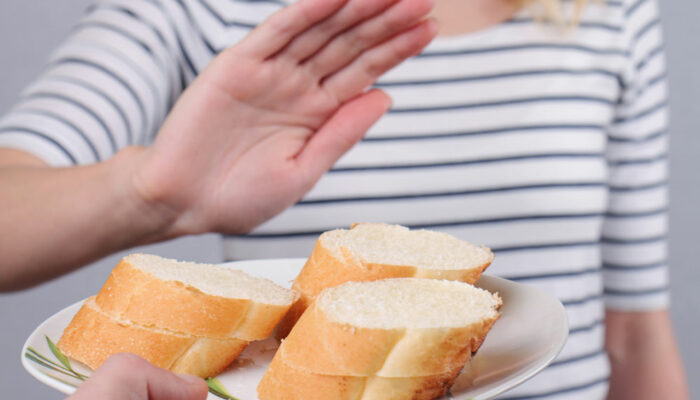
Deep vein thrombosis or DVT develops when a blood clot (thrombus) forms in one or more of the deep veins in the body. These blood clots are usually observed in the legs and can cause leg swelling and pain. However, in rare cases, no symptoms or signs can be seen. A few health conditions that affect clotting may also increase the risk of developing the condition. Food can play a role in managing DVT. Signs In most cases, a DVT develops in the arms or legs, and up to 30% of people with the condition do not experience any symptoms. However, in some cases, people may experience mild symptoms that may not raise concerns. So, one should look for signs like swelling in the arm or leg, larger-than-normal veins near the surface, and pain or tenderness in the arms or legs. Other common signs are red or discolored skin, abdominal or flank pain, warm sensation in the affected areas, and severe headache. Foods to avoid In most cases, healthcare professionals may suggest a few lifestyle modifications, including include avoiding a few foods, to better manage DVT and even prevent it. White bread White bread and other refined foods often contain high amounts of starch.
Read More