
Top foods that boost lung health
health

Top foods that boost lung health

Respiration is one of the most crucial functions that is enabled by the lungs in the human body. The lungs are made up of millions of spongy air sacs that absorb and store oxygen. But this function can suffer due to lung disease, disorders, or even chronic ailments. Some can be cured, while others can only be managed with treatments, prescriptions, and healthy changes in lifestyle. Including these foods can also promote overall lung health. Bananas Studies reveal that supplementing the body with potassium naturally helps improve lung function and increases its respiratory capacity. It also helps regulate blood pressure and reduces the risk of water retention to improve overall lung function. Bananas are the richest source of potassium, easy to include in daily foods, and inexpensive to consume daily. Apples An apple a day will keep respiratory problems at bay. Quercetin is one of the key antioxidants found in apples that help reduce cell damage and prevents healthy lung tissue from deteriorating. Studies reveal that eating four to five apples during the week even helps repair the damaged tissues resulting from smoking or exposure to pollutants in the air. Beetroot The green elements and roots of beetroot vastly improve the functioning of one’s lungs.
Read More
Prostate health – Top 4 foods to eat
health

Prostate health – Top 4 foods to eat

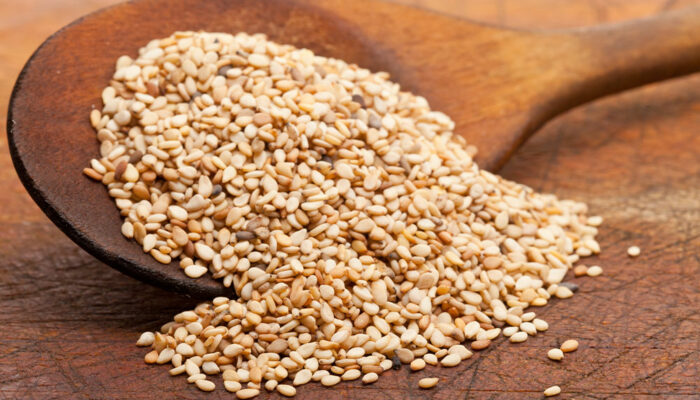
The prostate gland is one of the crucial organs in the reproduction system that produces and provides fluid to protect the sperm. However, advancing age, family history, even certain vitamin or mineral deficiencies can trigger prostate problems, thereby affecting its function. Fortunately, it is possible to maintain a healthy prostate by making lifestyle changes and including some nutrient-dense foods in the meal regimen. Here are the top foods that keep the prostate healthy. Foods to eat Sesame seeds Those with lower levels of zinc in their body are at a high risk of developing prostate problems. Sesame seeds are a rich source of this mineral. It is better to include the seeds in one’s meals, as the body can absorb these nutrients better than zinc supplements. You add sesame seeds to soups, salads, and dips. Leafy greens Green vegetables are loaded with antioxidants, phytochemicals, essential vitamins, and minerals, making them one of the top foods for a healthy prostate. These compounds help lower the inflammation in the prostate. Cruciferous vegetables also reduce the risk of prostate cancer. Broccoli, brussels sprouts, kale, cabbage, Bok choy, and cauliflower are excellent choices to add to one’s meals. Fruits like berries Tomatoes are rich in a compound called lycopene, essential for a healthy prostate.
Read More
8 foods that can help lower blood sugar levels
health

8 foods that can help lower blood sugar levels

Blood sugar, commonly known as glucose, is the body’s primary source of fuel. It is carried by the circulatory system to cells located in different body parts, providing them with energy. However, one must maintain healthy blood sugar levels as spikes can lead to serious health complications. Regulating food intake and eating superfoods that keep glucose levels in check can help in the long run. Here are eight options to consider today. Fenugreek Fenugreek is loaded with essential fiber that slows down digestion. It directly influences how the body absorbs carbohydrates and sugar from foods, regulating insulin production. Doctors commonly recommend fenugreek for people with type 2 diabetes. Garlic Garlic is a potent spice. It is rich in compounds that help regulate insulin sensitivity by slowing down metabolic activity. Studies show that garlic-based supplements further improve the lipid profile, lower the risk of cholesterol, and maintain optimum blood sugar. Yogurt Yogurt is rich in proteins and probiotics (healthy gut bacteria) that regulate the body’s metabolism. A healthy metabolism ensures a minimum spike in blood sugar levels. Patients can add flaxseeds to yogurt to enhance its flavor. Eggs Eggs are another superfood for people with type 2 diabetes. Studies show that the healthy fats and proteins in eggs reduce fasting glucose levels upon regular consumption.
Read More
Top 6 foods that promote healthy skin
health

Top 6 foods that promote healthy skin

Having smooth, glowing skin is a constant struggle and goal for most men and women alike. Good skin can transform the entire look of a person, and today it is one of the significant aims among people of all ages. Exercising, maintaining a healthy sleep routine, and opting for good food choices can work together to help achieve fabulous skin. This article focuses on what foods one can eat for healthy, glowing skin. Nuts Almonds, walnuts, pistachios, and cashews are potent sources of omega-3 fatty acids and vitamin E, essential for healthy, glowing skin. They help keep the elasticity and natural collagen of the skin intact, making it look young. Nuts are a great snacking option, so keep some handy near your work desk or kitchen top to keep munching on them. Fatty fish Mackerel, salmon, herring, sardines, and other fatty fish are excellent sources of omega-3 fatty acids that help hydrate the skin efficiently, improve the skin’s oil production, subdue breakouts, and minimize signs of aging. It can also help soften the rough and dry texture of the skin. Avocado Avocado is a good-fat vegetable that comes packed with beta carotene, protein, lecithin, fatty acids, and vitamins A, D, and E.
Read More
6 common warning signs of COPD
health

6 common warning signs of COPD

Chronic Obstructive Pulmonary Disease (COPD) is a progressive respiratory condition affecting millions worldwide. While COPD typically develops slowly over time and is often diagnosed in its later stages, recognizing its early signs is crucial for timely intervention and management. It is crucial to explore the subtle but vital indicators that can signal the onset of COPD, understand their underlying causes, and comprehend how they are linked to this chronic condition. Mentioned below are the warning signs of COPD: Persistent cough A chronic cough that lingers in patients for weeks or months can indicate COPD. In some patients, the cough might recur frequently for no specific reason. Prolonged exposure to respiratory irritants like chemicals, pollen, dust, and other compounds can also trigger COPD symptoms. The constant inflammation in the lungs and the rest of the airway is a major contributor to the disease. Over time, the increased inflammation damages the tissues of the respiratory system, leading to decreased lung function. Shortness of breath Shortness of breath in patients with COPD is a common early warning sign of the condition. The patient’s airways and sacs are compromised because of the constant cough and irritant exposure. The damaged tissues mean less lung capacity.
Read More
6 common signs of atrial fibrillation
health

6 common signs of atrial fibrillation

Atrial fibrillation, or AFib, is an irregular and abnormal heartbeat. Here, the upper chambers of the heart start beating out of sync, causing rapid contractions of the heart muscle up to 400 beats per minute. Contractions regulate the blood flow to and from the organ, so when dealing with AFib, blood can accumulate, causing various issues that require immediate treatment. So, one should keep an eye out for the following common signs of atrial fibrillation: Palpitations Atrial fibrillation primarily affects the regular heart rate, making the heartbeat race and pound against the rib cage. Those affected often experience a fluttering or pounding sensation in the heart and could describe the palpitations as the heart audibly skipping a beat. This sensation is extremely noticeable and is different from the normal palpitations one experiences due to anxiety or stress. The palpitations can develop erratically without any prior warning and can vary in intensity from person to person. Shortness of breath Breathlessness is a common symptom that overlaps with many known cardiovascular and respiratory issues. The heart is responsible for pumping freshly oxygenated blood from the lungs to other organs and extremities of the body. However, atrial fibrillation results in erratic circulation that could lead to shortness of breath.
Read More
5 mistakes to avoid with dental implants
health

5 mistakes to avoid with dental implants

Dental implants are an excellent solution for restoring teeth and enhancing cosmetic appearance. They not only replace missing teeth but also stabilize adjacent teeth and prevent jaw bone shrinkage caused by bone loss. In addition, dentists use implants to maintain the health of surrounding bone and gums. However, to ensure the success of the implant procedure, it is essential to avoid some common dental mistakes. So, let’s know some of them. Neglecting periodic dental visits The procedure for a successful dental implant requires about six months. To ensure that one gets the best and most positive outcome from this intensive dental procedure, visiting one’s dental health practitioner is essential. Skipping routine appointments and missing out on follow-up visits, as advised by one’s dentist, can lead to several complications. It can also cause implant failure. Eating hard foods post-dental implants It’s important to avoid eating hard and abrasive foods in the first few days after getting a dental implant. These foods can irritate your gums and potentially dislodge the blood clot that forms during the initial healing process. If the blood clot is disrupted, it can cause significant bleeding and pain. Sticking to soft and easy-to-chew foods during this period is best to ensure proper healing.
Read More
7 unhealthy habits that may trigger atrial fibrillation
health

7 unhealthy habits that may trigger atrial fibrillation

An estimated 2.7 to 6.1 million people in our country suffer from a heart complication called atrial fibrillation (Afib), where one’s heart beats at an abnormal pace, usually faster than it should. The condition is managed with the help of minimally invasive procedures, surgery, and other alternatives. According to experts, specific unhealthy habits may interfere with the treatment and trigger or worsen the symptoms. Here are six poor habits for Afib one should know about. Not sleeping enough Sleep is essential for reenergizing the body’s cells. Not getting sufficient rest can trigger various symptoms, including those linked to Afib. One may not sleep well for several reasons, such as stress, an unplanned work schedule, or underlying health conditions like sleep apnea. Even tiny interruptions in sleep quality and duration may put one at a greater risk of developing Afib. Drinking too much coffee While coffee can give people that added burst of energy, excessive consumption is a bad habit. Caffeine can trigger heart complications, so one should stop its consumption if at risk of Afib. Those who love the beverage can speak to a healthcare professional about the ideal daily intake. Overexercising Exercising is one of the most discussed ways of staying healthy and fit.
Read More
Vasculitis – 5 common signs to look out for
health

Vasculitis – 5 common signs to look out for

Vasculitis is an autoimmune disease that involves the inflammation of the blood vessels. Generally, blood vessels in the body carry blood through the different parts of the body by forming a circuit that starts and ends with the heart. But in the case of vasculitis, these blood vessels begin to thicken and swell, causing a reduction in blood flow. There are many types of the vasculitis; some can be short-term or long-lasting. Let’s look at the symptoms of vasculitis for early diagnosis and timely management. Weakness While the health condition often manifests in the form of general symptoms, in some cases, the signs can indicate problems associated with the body part affected. For instance, weakness can stem from the nerves’ inability to get the needed amount of blood and oxygen. Joint pain As mentioned previously, vasculitis can have symptoms depending on the affected body part. It can lead to aches and other arthritis-related symptoms in cases where it affects the joints. Although not common across patients, some people with vasculitis can have swelling in the affected area, known as arthralgias. One can try moderate physical activity like slow walking to manage the condition and improve the quality of life. Rashes While this blood vessel inflammation disease can lead to a variety of rashes, one of the most common is palpable purpura – purplish red-colored spots often found on the legs.
Read More
9 foods that may worsen COPD symptoms
health

9 foods that may worsen COPD symptoms

COPD, or Chronic Obstructive Pulmonary Disease, demands a holistic approach to its management, and food plays an essential role in this process. There is an intricate relationship between COPD and specific foods that can worsen its symptoms. While the effects vary among individuals, understanding their potential implications empowers patients to make informed decisions about their nutrition. Additionally, knowing which foods to avoid can better the condition. Here are nine foods one must avoid with COPD. Salt Sodium, commonly found in salt, is a major concern for COPD patients. A high sodium intake can lead to fluid retention in the body, causing swelling or edema, particularly in the extremities, lungs, and abdomen. As excess fluid accumulates, it elevates blood pressure, placing additional strain on the heart and lungs. This excess fluid can worsen shortness of breath for individuals with COPD who already cope with compromised lung function. Processed meat While processed meats like bacon, sausages, and deli cuts offer convenience, they can be problematic for COPD patients. These meat products often contain unhealthy saturated and trans fats, which can increase inflammation. Moreover, they are usually high in sodium, contributing to the potential for fluid retention and exacerbated symptoms. Sugar Foods and beverages rich in added sugars can disrupt the overall health of individuals, including those with COPD.
Read More
Causes and types of hemophilia in children
health

Causes and types of hemophilia in children

Hemophilia is a bleeding disorder usually inherited from a parent. Children with the condition cannot stop bleeding because their blood does not have enough of the clotting factor. Two of the common factors that affect blood clotting are factor VIII and factor IX, the lack of which can result in hemophilia. While typically a genetic disorder, hemophilia can manifest in different forms, and the severity of symptoms may differ accordingly. Here is everything to know: Causes As hemophilia is an inherited disease, it is typically passed on from parents to children through a gene in the X chromosome. Based on the fact that the females carry two X chromosomes, while males carry X and Y chromosomes, here is how the inheritance works: – When a female carrier has the hemophilia gene in one of the X chromosomes, there is a 50/0 chance that this chromosome is transferred to the baby when the female conceives. If the gene is passed down to a son, the son will have the disease; however, when the gene is passed down to a daughter, she will be a carrier of the disease. – Alternatively, when the father has hemophilia, but the mother does not, then a son will not inherit hemophilia disease, but all the daughters will be carriers.
Read More