Stretching – Benefits and limitations
Stretching – Benefits and limitations

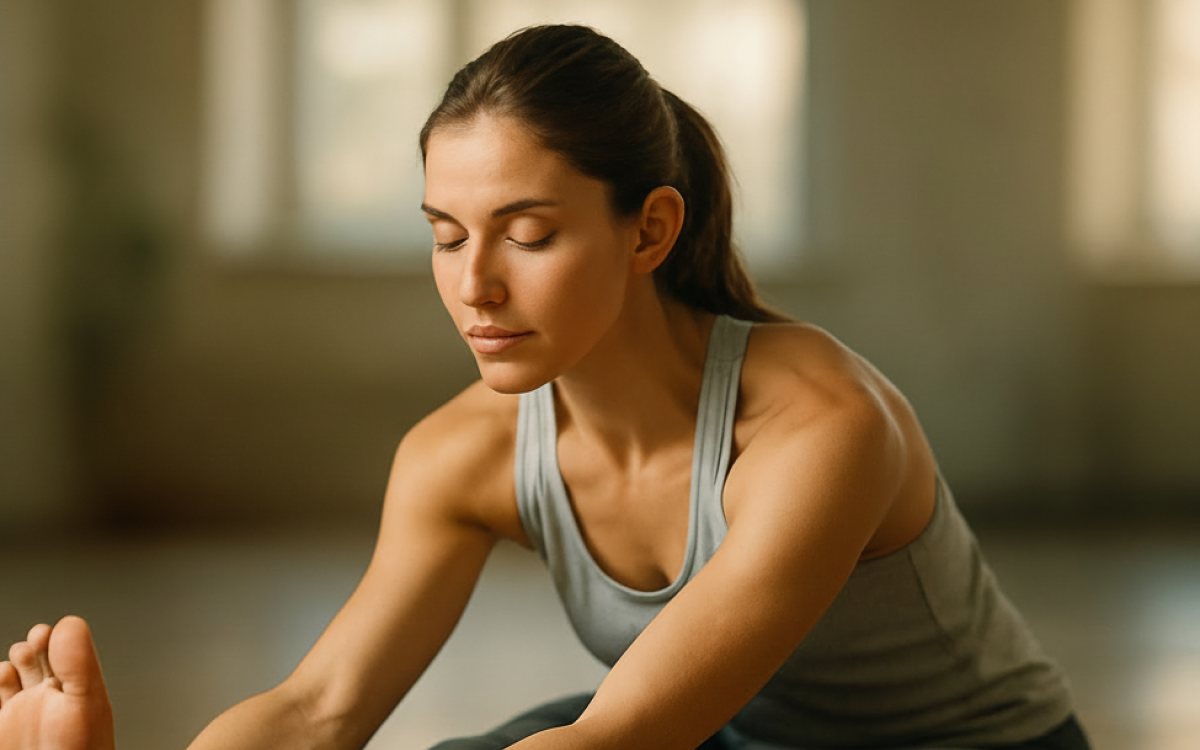
Stretching is one of the easiest forms of exercise. When done regularly, it can improve flexibility, enhance musculoskeletal health, and prevent injuries. But before diving into the exercise head-on, it’s important to properly understand when stretching is useful and when it’s not. In certain situations, such as when dealing with a strained muscle or a painful tendon, stretching can be counterproductive. Knowing the benefits and limitations of stretching and doing it under professional guidance is recommended.

Benefits of stretching

Reduces muscle stiffness

Stretching lengthens the muscles and increases their flexibility. This, in turn, improves the range of motion, making it easier to perform routine tasks that require reaching and bending. It also prevents undue straining or tearing of the muscles, reducing the risk of injury. Since age naturally causes the muscles to lose flexibility, seniors should especially consider stretching more often.

Improves posture

Poor posture can lead to neck and back pain, tension headaches, and rounded shoulders. It can also lead to more severe musculoskeletal issues, such as nerve compression and herniated discs. Stretching is one of the best ways to improve posture. Stretches that focus on the hips, shoulders, and the back of the neck maintain the spine’s neutral position and reverse any “hunch” caused by sitting for several hours every day. 

Boosts joint health

Stretching stimulates the production and circulation of synovial fluid—a thick, gel-like substance that reduces friction—in the joints. This keeps the joints lubricated, allowing smooth, pain-free movement. Stretching also strengthens the joints, making it easier to lift and carry objects. Joints like shoulders, knees, and hips particularly require stretching because they act as key hinges and pivot points for daily movement.

Improves circulation

Stretching improves blood flow to joints and muscles throughout the body. With enhanced blood circulation, oxygen and nutrient supply also improve. Improved oxygen supply is especially important after workouts, as it ensures faster recovery, reduced muscle soreness and tightness, and improved mental clarity. Individuals should consider stretching after workouts, especially if it has been a long time since their last session.

Limitations of stretching

May reduce performance before a training session

Stretches loosen muscles and their related tendons, reducing their performance and increasing the risk of injury. That’s why stretching before training sessions or sporting events is not recommended. It’s better to dedicate time to activities like stretching, mobility flows, and yoga during the week, rather than right before intense physical activity.

May worsen the pain caused by agitated and irritated tendons

Many individuals try to relieve body pain with stretching. This might not always be a good idea, especially when an inflamed tendon is the source of the pain. Stretching only provides temporary relief in this case. The pain can return later and be more severe than before.

Hip pain caused by irritation of the gluteal tendons or the hamstrings is one scenario in which stretching should especially be avoided. This is because muscles and tendons, when stretched, can become more irritated because of compression and relaxation. It’s advisable to work with a licensed physiotherapist to gradually manage the pain and strengthen the muscles and tendons.

May aggravate a sore neck

Individuals often stretch their neck when experiencing neck pain. But neck stretches help only when they are performed with the right technique and up to a certain limit. Stretching the neck too much can worsen the pain. It can also irritate the vertebrae, pinch nerves, or compress discs. Applying hot/cold packs, using ergonomic chairs, and stretching the neck slowly and gently are better ways to soothe a sore neck.
Recommended

7 foods to improve joint strength in seniors

7 foods to improve joint strength in seniors

The joints weaken with age because of wear and tear of the cartilage and loss of muscle mass. That’s why seniors are often advised to exercise their joints regularly. Doing that strengthens the joints and the ligaments surrounding them, helping relieve pain and improving flexibility. However, exercise alone is not sufficient for joint strength and health. Seniors must also make a few nutritional changes, such as eating foods with joint-supportive nutrients. Sweet peppers Whether red, yellow, green, or orange, all sweet peppers are loaded with vitamin C. This vitamin boosts collagen production, which is necessary for strong, healthy bones. Collagen helps rebuild cartilage, increase bone density, and reduce stiffness. Besides supplying vitamin C, sweet peppers are known to balance gut microbiomes, thus reducing inflammation markers. This helps seniors who have rheumatoid arthritis, a common condition that causes joint inflammation. There are many ways to enjoy sweet peppers. One option is to make a mixture of beans, brown rice, vegetables, and seasoning, then stuff this mixture into sweet peppers and bake them. If this seems too complicated, seniors can simply roast or sauté the peppers with garlic and enjoy them. Broccoli Cruciferous vegetables, such as broccoli, are excellent foods for supporting joint health in seniors.
5 simple lifestyle habits for better health

5 simple lifestyle habits for better health

Individuals who want to improve their health do not need to follow complex or costly routines. Simple habits, such as eating nutritious foods, drinking enough water, exercising, and sleeping well, are enough to achieve this goal. These small lifestyle changes can lead to better health in the long run without requiring a big investment of time and money. That said, individuals must be consistent to see lasting results. Starting the day with water The body is slightly dehydrated after going all night without fluid intake. That’s why starting the day with a glass of water is a good habit. Rehydrating first thing in the morning boosts metabolism, helps the body regulate temperature, and gets basic functions “switched on” for the day. However, just drinking a glass of water in the morning is not enough. Individuals should carry a bottle of water with them wherever they go to stay hydrated throughout the day. Doing so can help prevent dehydration symptoms, such as headaches, fatigue, and mental fog. Stretching after waking up Stretching is another sustainable, healthy habit to start the day with. Morning stretches ease stiffness, increase range of motion, and help drive away sleepiness. Instead of complex stretches, individuals can perform simple ones that clear the mind and prepare the body for the day ahead.
Balding – Warning signs, causes, and management options

Balding – Warning signs, causes, and management options

Losing around 50 to 100 strands of hair daily is quite normal. However, large clumps of hair on the pillow, in the shower drain, or on the brush can be a cause for concern and lead to balding in men and women. Fortunately, knowing the warning signs, causes, and management methods can help one slow hair loss and restore their confidence. Signs of balding  There are many early signs that can be observed before bald spots become visible. Knowing about these common indicators can be helpful. Receding hairline in men The hair along the temples appears to pull back, forming an M-shape. This usually starts in the 20s or 30s as hair along the front begins to thin gradually. Crown thinning The scalp becomes more visible at the top of the head. This happens when the hair density in this area drops. Many may see visible patches when brushing their hair or in bright light. Widening of the part in women  The central line along which hair is usually parted widens over time. Along with this, the hair starts to lose its overall thickness, appearing finer over time. Diffuse thinning Hair volume starts to decrease throughout the scalp. So, when running fingers through it or styling it in ponytails, one may notice that their hair feels less full.
Hemorrhoids – Symptoms, causes, and management

Hemorrhoids – Symptoms, causes, and management

Hemorrhoids are swollen and enlarged veins that develop inside and outside of the rectum, which may cause a lot of discomfort and pain during stool passage. This condition results from several factors, including straining during bowel movements, inadequate fiber intake, chronic constipation, and prolonged sitting on the toilet. The good news is that the symptoms of hemorrhoids can improve over time by simply making small habit changes in daily life.​ Signs and symptoms Internal hemorrhoids typically do not cause any pain or obvious symptoms until they move outside the rectum. Since these develop inside the rectum, there is no way of knowing whether a person has the condition. Meanwhile, external hemorrhoids have several telltale signs that occur over time. A person can see small amounts of bright red blood during bowel movements. This is because swollen veins bleed easily, even with minimal friction. There is noticeable swelling around the outer area of the rectum, followed by a persistent uneasy feeling. A tender lump develops around the anus, causing pain and making it difficult to sit for extended periods. Stool or mucus leakage can worsen the discomfort. Sometimes, a person with the condition may experience a persistent feeling of incomplete bowel movement, resulting in frequent trips to the bathroom.