Fatty liver disease – Causes, symptoms, and management
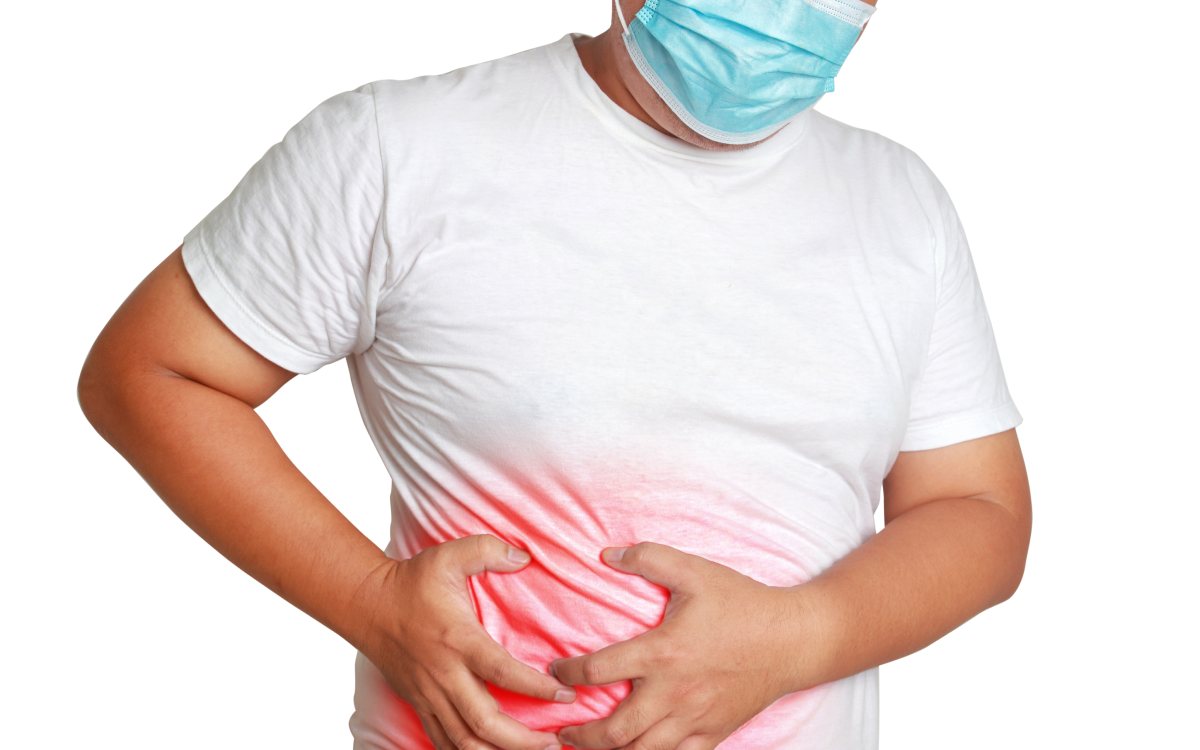
Fatty liver disease is one of those conditions that often goes unnoticed until it starts affecting everyday health. Many may have it without realizing something is wrong, which is why awareness about this condition is important. Knowing the causes and symptoms of fatty liver disease can help individuals understand how to manage it.
Symptoms of fatty liver
In most cases, fatty liver disease does not show any symptoms in the early stages. So, individuals may not notice clear warning signs at all. Symptoms often start to appear when excess fat accumulates in the liver and begins to interfere with its normal function.
Pain in the abdomen
One of the earliest warning signs of fatty liver is pain in the upper right abdomen, where the liver is located. This pain may come and go and is often due to liver inflammation.
Discomfort in the abdomen
Along with pain, individuals might also experience a feeling of fullness in the upper right abdomen.
Fatigue
Fatty liver disease can disrupt the liver’s ability to support metabolism and produce energy. This can leave the individual feeling drained, leading to persistent fatigue.
Swelling in the legs and ankles
As fatty liver disease progresses, fluid retention may occur, leading to swelling in the legs, especially in the ankles. This symptom is more commonly seen when the condition advances to liver scarring.
Nausea
Fatty liver disease affects another function of the liver, i.e., filtering toxins. When the liver struggles to filter toxins efficiently, waste products build up in the body. This can lead to persistent nausea.
Jaundice
In more advanced cases, the whites of the eyes may start yellowing, a condition called jaundice. This occurs when the liver is unable to properly process bilirubin.
Causes of fatty liver
The exact reason behind fatty liver disease is unknown. However, research has identified multiple risk factors that increase an individual’s chances of developing this condition.
- Genetics
- High body mass index (or BMI)
- Insulin resistance
- Type-2 diabetes
- High cholesterol levels
Management options for fatty liver disease
There is currently no cure for fatty liver disease. However, several lifestyle changes can help slow its progression and, in many cases, even reverse it.
Exercising
Physical activity plays a major role in reversing fatty liver by processing fats and sugars more efficiently. Moderate activity, such as exercising for half an hour every day, can make a significant difference. The key, however, is to be consistent. That said, if individuals have not attempted certain exercises before, they must get their doctor’s approval before starting. They can recommend a personalized exercise plan that supports heart and muscle health and helps prevent injuries.
Lowering cholesterol
If high cholesterol is the cause of fatty liver disease, individuals must address this concern. They can start by adopting a meal plan rich in whole foods and fiber. Individuals should also follow their prescribed treatment and exercise plans.
Altering food regimen
Along with physical activity, food habits also play a big role in managing fatty liver disease. To reverse the condition, it is crucial to eat fewer foods that are high in saturated fats, refined sugars, and heavily processed ingredients. Individuals must replace those with foods, such as salmon, avocado, and olive oil, that contain unsaturated fats. Likewise, they can add foods, such as fruits, vegetables, and whole grains, that have a low glycemic index.