Balding – Warning signs, causes, and management options
Balding – Warning signs, causes, and management options

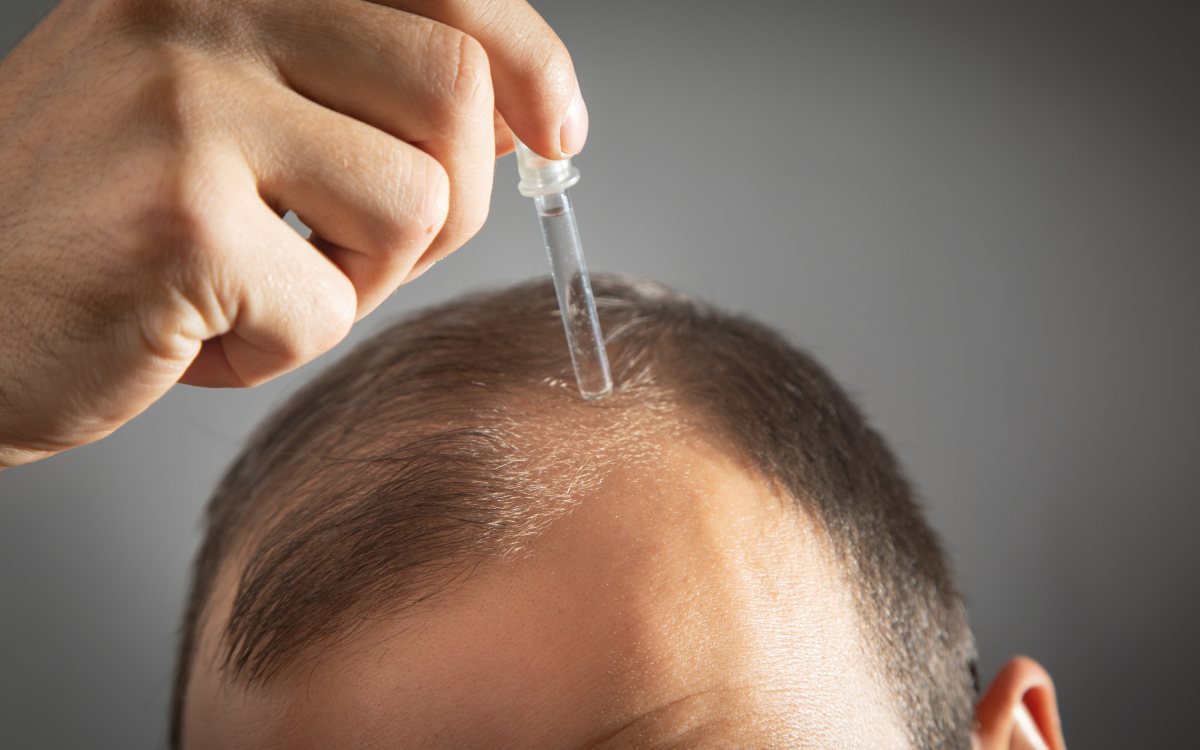
Losing around 50 to 100 strands of hair daily is quite normal. However, large clumps of hair on the pillow, in the shower drain, or on the brush can be a cause for concern and lead to balding in men and women. Fortunately, knowing the warning signs, causes, and management methods can help one slow hair loss and restore their confidence.

Signs of balding 

There are many early signs that can be observed before bald spots become visible. Knowing about these common indicators can be helpful.

Receding hairline in men

The hair along the temples appears to pull back, forming an M-shape. This usually starts in the 20s or 30s as hair along the front begins to thin gradually.

Crown thinning

The scalp becomes more visible at the top of the head. This happens when the hair density in this area drops. Many may see visible patches when brushing their hair or in bright light.

Widening of the part in women 

The central line along which hair is usually parted widens over time. Along with this, the hair starts to lose its overall thickness, appearing finer over time.

Diffuse thinning

Hair volume starts to decrease throughout the scalp. So, when running fingers through it or styling it in ponytails, one may notice that their hair feels less full.

Shedding patterns

More than 100 strands of hair fall out during washing or brushing.

Causes

A common cause of balding is slower regrowth, wherein hair takes longer to grow back. Also, strands start to have shorter lifespans, falling out sooner than the usual three to five years. Sometimes, itchy or oily scalp patches also appear in the thinning areas, indicating inflammation and irritation underneath the scalp.

Genetics

Androgenetic alopecia, a common form of balding, is generally passed down from parent to child. It slowly shrinks the hair follicles over several years, reducing their growth.

Aging

Cell turnover to slow down with age is quite natural. This causes hair to become weak over time. 

Tight hairstyles

Styles like ponytails or slickback hair can cause the roots to become weak over time. This can lead to severe hair loss and balding. Also, frequent use of hair straighteners and hair dryers can affect hair growth and strength.  

Lifestyle factors

Improper nutrition, chronic stress, and irregular sleep cycles can also lead to hair loss and balding. 

Home remedies for hair thinning 

Following a few simple routines can support the scalp and slow hair loss. Most of these steps can be easily fit into daily life to get better results over time.

Scalp massage

One can spend about five minutes a day to massage the scalp. This improves blood flow to the follicles, helping to make hair stronger. Essential oils like rosemary can be mixed with any neutral oil for massage.

Natural masks

Homemade hair masks containing aloe vera or fresh onion juice can soothe the scalp while providing a natural blend of nutrients to the roots. One can apply these masks once a week to get better results. 

Nutritious foods

Eggs, nuts, and spinach are good sources of biotin and other vitamins that support hair growth.

Gentle products

Products that are gentle on the hair and scalp can help reduce hair fall while strengthening hair from the inside out.

Professional management options 

Treatments can give targeted support when there is noticeable thinning and balding. Consulting a dermatologist or specialist can help in determining which of these options is suitable.

Hair transplants

Non-invasive techniques are used to move healthy follicles from denser areas to thinning spots. Once the transplanted hair grows back permanently over the course of months, the results look natural.

Scalp reduction

An expert will remove bald sections and stretch the scalp to cover them. This reduces the appearance of visible areas. This treatment usually works for crown balding, with the scars hidden under the remaining hair.

Skin lifts and grafts

A skincare professional will take small skin patches from donor sites, graft them onto bare areas, and blend them with the surrounding hair. This covers the bald patches, making the hair pattern appear more uniform.


Recommended

7 foods to improve joint strength in seniors

7 foods to improve joint strength in seniors

The joints weaken with age because of wear and tear of the cartilage and loss of muscle mass. That’s why seniors are often advised to exercise their joints regularly. Doing that strengthens the joints and the ligaments surrounding them, helping relieve pain and improving flexibility. However, exercise alone is not sufficient for joint strength and health. Seniors must also make a few nutritional changes, such as eating foods with joint-supportive nutrients. Sweet peppers Whether red, yellow, green, or orange, all sweet peppers are loaded with vitamin C. This vitamin boosts collagen production, which is necessary for strong, healthy bones. Collagen helps rebuild cartilage, increase bone density, and reduce stiffness. Besides supplying vitamin C, sweet peppers are known to balance gut microbiomes, thus reducing inflammation markers. This helps seniors who have rheumatoid arthritis, a common condition that causes joint inflammation. There are many ways to enjoy sweet peppers. One option is to make a mixture of beans, brown rice, vegetables, and seasoning, then stuff this mixture into sweet peppers and bake them. If this seems too complicated, seniors can simply roast or sauté the peppers with garlic and enjoy them. Broccoli Cruciferous vegetables, such as broccoli, are excellent foods for supporting joint health in seniors.
5 simple lifestyle habits for better health

5 simple lifestyle habits for better health

Individuals who want to improve their health do not need to follow complex or costly routines. Simple habits, such as eating nutritious foods, drinking enough water, exercising, and sleeping well, are enough to achieve this goal. These small lifestyle changes can lead to better health in the long run without requiring a big investment of time and money. That said, individuals must be consistent to see lasting results. Starting the day with water The body is slightly dehydrated after going all night without fluid intake. That’s why starting the day with a glass of water is a good habit. Rehydrating first thing in the morning boosts metabolism, helps the body regulate temperature, and gets basic functions “switched on” for the day. However, just drinking a glass of water in the morning is not enough. Individuals should carry a bottle of water with them wherever they go to stay hydrated throughout the day. Doing so can help prevent dehydration symptoms, such as headaches, fatigue, and mental fog. Stretching after waking up Stretching is another sustainable, healthy habit to start the day with. Morning stretches ease stiffness, increase range of motion, and help drive away sleepiness. Instead of complex stretches, individuals can perform simple ones that clear the mind and prepare the body for the day ahead.
Hemorrhoids – Symptoms, causes, and management

Hemorrhoids – Symptoms, causes, and management

Hemorrhoids are swollen and enlarged veins that develop inside and outside of the rectum, which may cause a lot of discomfort and pain during stool passage. This condition results from several factors, including straining during bowel movements, inadequate fiber intake, chronic constipation, and prolonged sitting on the toilet. The good news is that the symptoms of hemorrhoids can improve over time by simply making small habit changes in daily life.​ Signs and symptoms Internal hemorrhoids typically do not cause any pain or obvious symptoms until they move outside the rectum. Since these develop inside the rectum, there is no way of knowing whether a person has the condition. Meanwhile, external hemorrhoids have several telltale signs that occur over time. A person can see small amounts of bright red blood during bowel movements. This is because swollen veins bleed easily, even with minimal friction. There is noticeable swelling around the outer area of the rectum, followed by a persistent uneasy feeling. A tender lump develops around the anus, causing pain and making it difficult to sit for extended periods. Stool or mucus leakage can worsen the discomfort. Sometimes, a person with the condition may experience a persistent feeling of incomplete bowel movement, resulting in frequent trips to the bathroom.
Causes and management options of hand tremors

Causes and management options of hand tremors

Hand tremors or shaky hands are a symptom of a neurological disorder called essential tremor (ET), characterized by involuntary, rhythmic shaking, most commonly affecting the hands. These tremors gradually worsen, making daily tasks challenging. The onset of essential tremor can happen at any age, but it’s most commonly seen in individuals aged 40 and older. The best approach to managing the condition is to determine a suitable management plan through expert consultation. Causes Hand tremors are a symptom caused by various health conditions, including essential tremor. Other possible reasons for hand tremors include emotional stress, exposure to extreme temperatures, fatigue, and an excessive intake of stimulants like caffeinated drinks. Enhanced physiologic tremor This is one of the most commonly observed postural tremors (i.e., tremors that occur when a position is maintained against gravity). Enhanced physiologic tremor (EPT) usually affects the hands and fingers on both sides of the body. A few factors, such as chronic stress, lack of sleep, excessive caffeine intake, and vigorous exercise, can worsen EPT in some individuals. Anxiety and fatigue may also lead to shaky hands. Neurological conditions Sometimes, tremors, including shaky hands, are caused when deep parts of the brain that control movement don’t work as they should.