7 skin conditions and ways to manage them
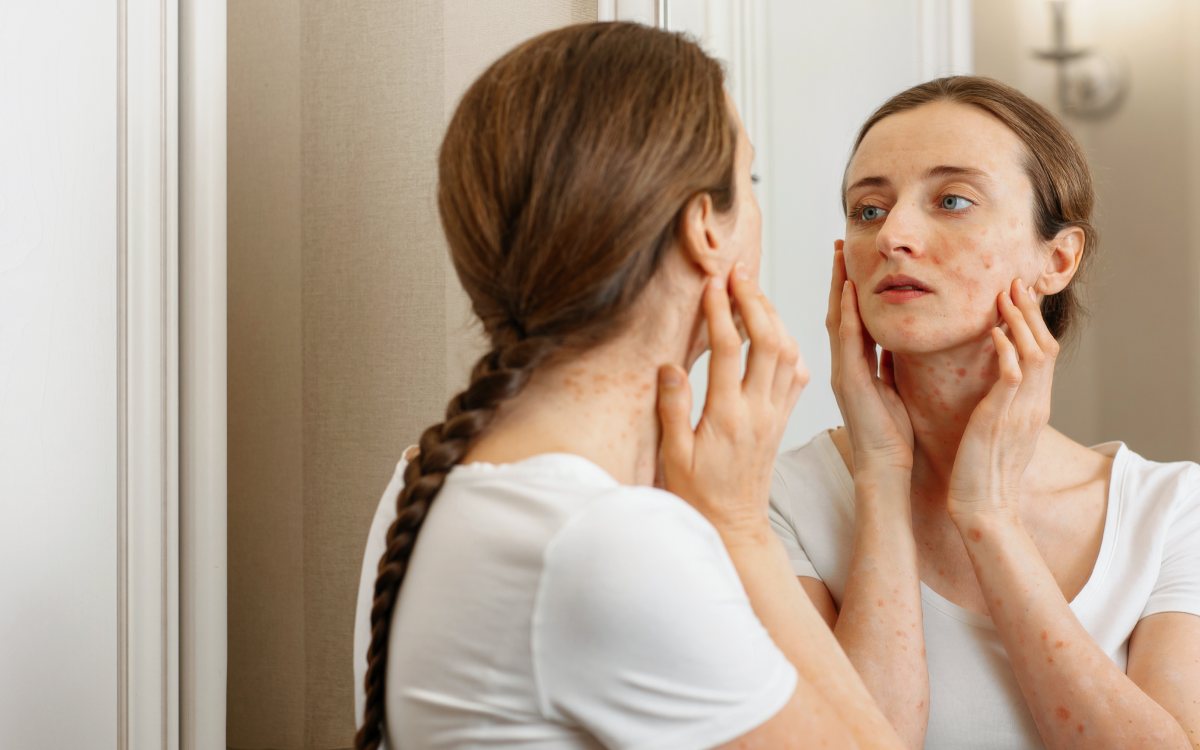
The skin is the body’s largest organ and acts as a protective barrier against various threats. It also regulates body temperature and detects touch. However, the skin is highly susceptible to a wide variety of conditions. These conditions vary in terms of causes, symptoms, appearance, and severity, ranging from minor irritation to chronic illnesses. Understanding these conditions helps one take the necessary steps to manage them and ensure their overall well-being.
Acne
Acne is one of the most common skin conditions, characterized by clogged pores. These blocked pores can cause bumps and pimples, which can sometimes be painful. The pores can clog due to sebum, an oily component that provides a protective barrier for the skin. Even bacteria and dead skin cells may cause acne. Treatment for acne can vary depending on age, type, and severity. Experts may recommend topical remedies or other treatments to care for the skin.
Alopecia areata
This is an autoimmune condition that causes patchy hair loss anywhere on the body. Most commonly, it affects the hair on the skin that covers the head (scalp). Alopecia areata causes the immune system to attack hair follicles, mistaking them for germs like viruses or bacteria. This leads to hair loss. While the condition cannot be prevented, there are ways to manage the symptoms, including expert-recommended treatments, wearing makeup, eating balanced meals, and getting enough vitamin D.
Psoriasis
Plaque psoriasis is the most common form of psoriasis, characterized by thick, scaly areas of skin. It is also a chronic skin condition, meaning it can flare up unexpectedly. The elbows, face, scalp, fingernails, lower back, palms, and feet are more at risk of this condition. There isn’t a cure for the condition, but treatments can help manage symptoms. A healthcare provider may prescribe special creams or ointments to reduce inflammation and relieve itching.
Rosacea
Individuals who develop rosacea may notice redness on their face. Though its cause is yet to be determined, experts believe it may stem from a condition affecting the blood vessels, immune system, or nervous system. Rosacea may be caused by an overgrowth of skin mites, certain bacterial infections, or a protein that fails to protect the skin properly. Rosacea treatments vary for each individual. Some patients need topical or laser treatments, while others need specialized procedures. A health expert will determine the best approach for each person’s unique situation.
Raynaud’s syndrome
The condition causes spasms in small blood vessels in the fingers and toes, which limit blood flow and cause symptoms such as skin color changes, cold skin, and a pins-and-needles sensation. A few known triggers of Raynaud’s Syndrome include cold weather and stress. Most people have mild symptoms of this condition, which can be managed with lifestyle changes. Others may need to take calcium-channel blockers, alpha-blockers, or use skin ointments.
Skin cancer
Cancer of the skin can occur when something changes the way the skin cells grow, including exposure to ultraviolet light. The early signs of cancer may include new bumps or patches on the skin or changes in the size, shape, or color of skin abnormalities. The treatment options for skin conditions like cancer are extensive. For instance, cryotherapy can be used to freeze skin cancer and remove the affected dead skin cells. Chemotherapy may use a combination of treatments to eliminate cancer cells. Other options can include immunotherapy, radiation therapy, Mohs surgery, and excisional surgery.
Dry skin
This is both a skin condition and a symptom of various health issues. It occurs when skin lacks sufficient moisture, making it feel rough, tight, flaky, and itchy. Various environmental factors, age, and lifestyle changes can cause this condition. Health experts may prescribe moisturizers or other topical remedies to manage this condition.