7 foods that aid recovery from colon cancer
7 foods that aid recovery from colon cancer

Colon cancer refers to cancer of the rectum or colon and typically begins as growth or polyp. Rectal bleeding, constipation and diarrhea, fatigue, abdominal pain, and bowel incontinence are some symptoms of this type of cancer. Alongside chemotherapy and other interventions, a change in eating habits can provide relief from colon cancer symptoms and help patients recover better. Here are some foods that can help alleviate the effects of this cancer type:

Cruciferous vegetables
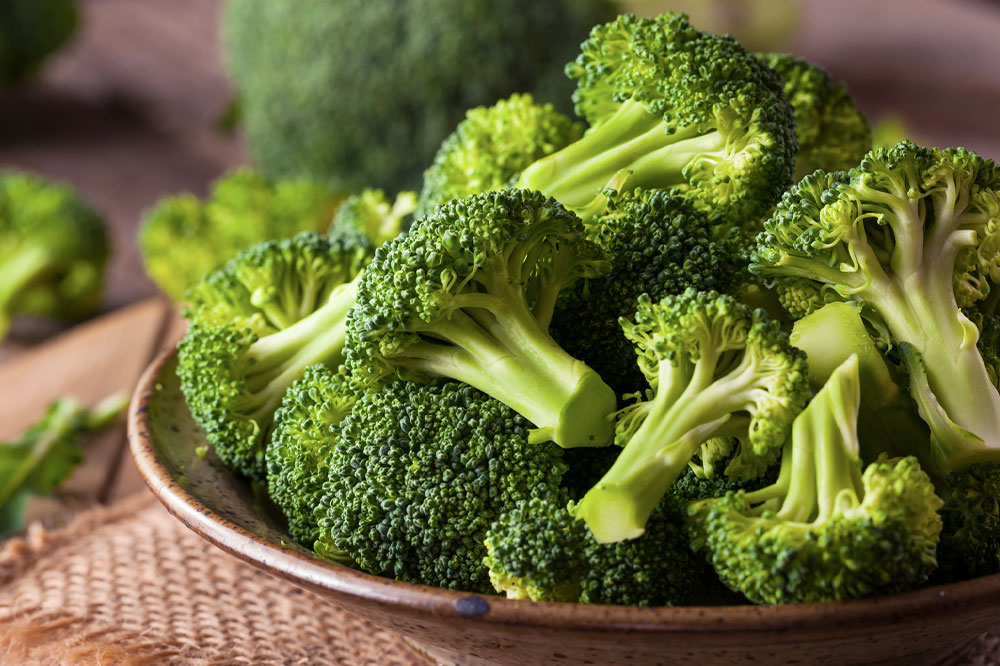
Cruciferous vegetables, particularly broccoli, contain high sulforaphane, a sulfur-rich phytochemical that helps fight cancer. Other cruciferous vegetables like kale, cabbage, bok choy, Brussels sprouts, collards, and mustard greens are also rich in sulforaphane and can help battle colon cancer.

Foods rich in carotenoids
Carotenoids are phytonutrients responsible for certain foods’ red, yellow, and orange pigmentations. Studies have demonstrated that these phytonutrients have cancer-fighting properties and help protect against colon cancer. Thus, carotenoid-rich foods like carrots, papayas, pumpkins, tomatoes, cantaloupes, and winter squash are beneficial for patients with colon cancer.

Lean protein sources
Chemotherapy can be a harrowing process that can considerably deplete one’s strength. Thus, it is important to replenish your body with essential proteins to regain energy throughout this procedure. Lean protein sources like Greek yogurt; eggs; white-fleshed fish such as haddock, halibut, and cod; low-fat cottage cheese (in case of no lactose intolerance); skinless chicken and turkey breast; and tofu are good sources of lean protein.

Fatty fish
Fatty fish, or fish varieties rich in omega-3 fatty acids, can help reduce inflammation and soothe the digestive tract, facilitating better recovery from colon cancer. Some varieties of fish containing omega-3 fatty acids include swordfish, baked or smoked Atlantic salmon, gemfish, Spanish mackerel, tuna, sardines, and herring.

Electrolytes
Patients with cancer must undergo several rounds of chemotherapy and other interventions, which can cause changes in the levels of essential elements like sodium, potassium, and calcium. Such fluctuations can trigger electrolyte imbalance in the body. Thus, patients with colon cancer must consume rich sources of electrolytes, such as leafy green vegetables, fruits like watermelon and banana, legumes, coconut water, and smoothies.

Fibrous foods and complex carbohydrates
Fiber or roughage is an integral aspect of ensuring the optimal functioning of the intestines. Hence, consuming fiber-rich foods and complex carbohydrates — rich in fiber content — can significantly help aid digestion among patients with colon cancer. Some fibrous foods and complex carbohydrates that can benefit patients with colon cancer are brown rice, nuts, legumes, non-starchy vegetables, berries, oatmeal, chickpeas, and barley.

Healthy fats
Healthy fat sources provide the body with energy and help reduce inflammation, aiding colon cancer recovery. Some healthy fats include olive oil, clarified butter, nuts and seeds, avocados, peanut butter, and tofu.

Avastin® is an approved intervention for metastatic colorectal cancer (mCRC) and is administered alongside chemotherapy. It has been proven to increase the survival chances of patients with colon cancer. CYRAMZA® is prescribed in combination with FOLFIRI (i.e., irinotecan, folinic acid, and fluorouracil) and is also used to treat mCRC. It is administered alongside or after a treatment course entailing bevacizumab, oxaliplatin, and fluoropyrimidine. Besides following the prescribed treatment course and making lifestyle changes, seeking active support for daily chores, maintaining a proper sleep schedule, and consulting a mental health professional if required can support the recovery process.


Recommended

Learn about these 3 types of hearing loss

Learn about these 3 types of hearing loss

Hearing loss, deafness, or impairment is the partial or total inability to hear sounds. People with low to moderate hearing impairment face challenges in understanding what the other person is saying in a noisy environment. Whereas, people with severe deafness cannot hear anything, and rely completely on lip-reading and sign language skills. There are three main types of hearing loss: sensorineural, conductive, and a combination of both. Let’s understand these types in detail and learn about the causes, symptoms, and treatments of each type. Sensorineural hearing loss It’s the most common type of hearing loss. Sensorineural is permanent hearing loss often caused by damage to the tiny hair cells that line the inner ear or the auditory nerve. The damage stops or weakens the transfers of nerve signals to the brain. These signals are essentially the intensity and clarity of sounds. Causes: Aging and exposure to loud noises for a long period of time are the most common cause of the damage. Certain medications and illnesses can also increase risks. It can even be genetic, and pass on to the child in the mother’s womb. Treatment: There is no medical or surgical treatment available to repair the tiny hair cells once they’re damaged.
Simple lifestyle changes that reduce the risk of heart diseases

Simple lifestyle changes that reduce the risk of heart diseases

The heart is the most crucial organ in the body and as the system will cease to function if the heart stops or loses momentum pumping fresh oxygenated blood. This is why it is vital to not neglect your heart health at all and responsibly maintain a healthy, stress-free, and more importantly, a happy lifestyle. Here are a few simple lifestyle changes that will help support a healthy heart function. Switch to a healthy diet Avoid eating foods that are rich in trans and saturated fats. Most foods you find on the shelves of the supermarket contain large quantities of one or the other. Instead, switch to low-fat high fiber alternatives to help manage cholesterol. Maintaining a healthy cholesterol level in the body automatically reduces the risk of heart diseases. The simple reason for this is that fats that normally block major arteries and blood vessels are eliminated from these foods choices. It is also advisable to limit the salt (sodium) intake to control blood pressure and sugar to reduce the risk of diabetes simultaneously. Change certain lifestyle habits Reduce the number of alcoholic or carbonated drinks you have regularly. For men, it is advisable to have not more than two drinks and day and women must have only one.
How to distinguish between heartburn and GERD

How to distinguish between heartburn and GERD

Heartburn is an unpleasant, burning sensation in the chest that is more common than a lot of individuals realize. Pregnant women, older men, and even young adults experience it frequently. Despite it being such a prevalent experience, not many know that heartburn has actually nothing to do with the heart and everything to do with the stomach and the esophagus. Unsurprisingly enough, heartburn is also used interchangeably with GERD. But, before we get to deciphering heartburn and GERD, let’s understand what acid reflux is. What is acid reflux or GER? Acid reflux occurs when the lower esophageal sphincter or LES becomes weak, allowing the contents of the stomach to travel in the wrong direction, back up the esophagus. Acid reflux is also called GER or gastroesophageal reflux as it involves the stomach and esophagus. This condition can usually be resolved with over-the-counter medication. What is heartburn? Heartburn is a burning or painful sensation that is experienced in the chest. Since the lining of the esophagus is not as strong as the lining of the stomach, the acid from the stomach can cause a burning sensation in the chest. This pain or burning sensation that is heartburn can often be misconstrued for a heart attack.
5 common joint conditions and how to treat them

5 common joint conditions and how to treat them

A joint or articulation is made from two bones that aid the body in movement. There are many forms of joint conditions, which, in many cases, arise from the wear and tear of bones. Arthritis is one of the major and most common health conditions in the country, and its intensity increases with age. Here are some common types of joint conditions that you need to know: Osteoarthritis With almost 10 percent of men and 13 percent of women aged over 60 suffering from osteoarthritis, it is one of the most prevalent joint conditions in the country. Osteoarthritis occurs due to the wear and tear of the cartilages that protect the ends of bones. It commonly affects joints of the spine, hands, hips, and knees. If left untreated, this wear and tear of the cartilage soon leads to bone degeneration, thereby affecting flexibility and range of movement. Treatment for osteoarthritis depends on its severity and the patient’s age. Mild symptoms can be treated through medications, physiotherapy, and changes in lifestyle, whereas moderate to severe cases may require surgical intervention. Spondyloarthritis Spondyloarthritis, also referred to as spondyloarthropathy, is a type of rheumatic disease that causes inflammation in various joints. There are two types of spondyloarthritis—axial spondyloarthritis, which causes inflammation of the joints in the chest, spine, and hip bone, and peripheral spondyloarthritis, which causes inflammation in the fingers, knees, and toes.