6 remedies for instant relief from sore throat
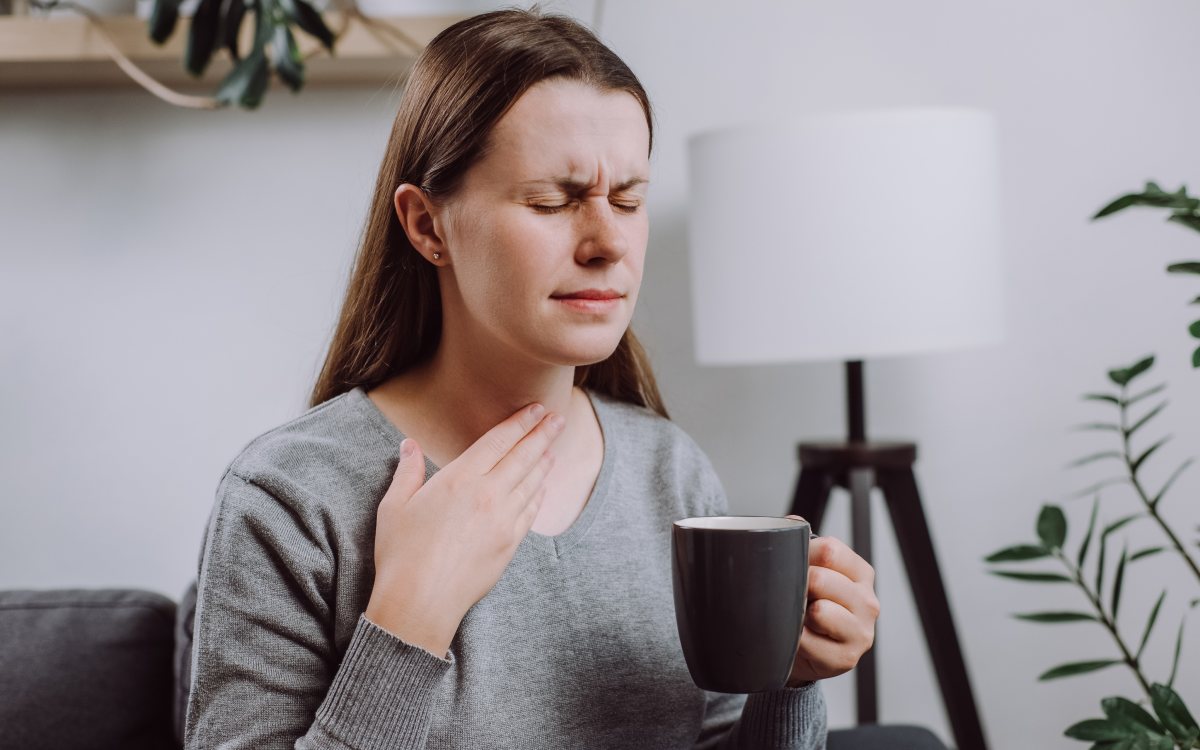
6 remedies for instant relief from sore throat

Dealing with a sore throat can be rough. Even the saliva traveling down can feel like sandpaper scraping against the throat’s inner lining. To relieve symptoms, especially the pain , understanding what causes them, whether an infection, an allergy, the flu, a common cold, or something else, is important. The cause can then help one determine what to do. In benign cases, when the symptoms are not severe, one can speak to a healthcare professional and use natural ways to soothe a sore throat.

Salt water gargles

Salt water is a time-tested home remedy for a sore throat. It can relieve irritation and inflammation, reduce swelling, and help pull the bacteria or viruses to the throat’s surface, giving the body a better chance to fight them. To create a saltwater solution, one can take about a glass of warm water and dissolve a quarter to a half teaspoon of salt into it. This solution can be used for gargling every couple of hours.

Warm beverages

Warm beverages, such as soups and teas, soothe the throat and keep the body hydrated. Their warmth also helps improve blood flow in the area. Increased blood flow to the throat, in turn, speeds healing by supplying the infected tissue with oxygen, nutrients, and immune cells. Teas like chamomile, peppermint, ginger root, or licorice root are excellent beverages for a sore throat because of their anti-inflammatory effects. Marshmallow root fusion and warm lemon water are also suitable.

Cold water or food

The first few bites of a popsicle might not feel comfortable when one has a sore throat, but eating it certainly helps. It helps the same way ice on a sprained ankle does: it prevents swelling, reduces inflammation, and dulls the pain. Besides eating popsicles, one can drink icy cold liquids. However, it is important to avoid citrus-flavored beverages or popsicles. These can trigger acidity or acid reflux, which, in turn, can aggravate the sore throat and increase pain and inflammation.

Humidifier

Dry air can irritate the throat and prolong recovery time. That is why it helps to add moisture to the air one breathes during a sore throat episode. Moisture calms the inflammation and reduces the swelling in both the throat and the nasal membranes. It also helps clear out mucus. Installing a humidifier in the room is a good idea to add moisture to the air, but it is crucial to ensure the device is clean before turning it on. A dirty humidifier can circulate mold and bacteria in the air, worsening sore throat symptoms.

Nasal decongestion

Breathing through an open mouth is a common symptom of a sore throat, which occurs partly because of nasal congestion. Using nasal drops or sprays can help relieve congestion, but it is better to speak to a healthcare professional first. If one has certain pre-existing conditions or health complications, they should not use nasal drops or sprays. They can simply rinse the sinuses with salt water and relieve a clogged nose. Nasal rinsing with an irrigation device, such as a neti pot, helps clear the sinuses of thick mucus. That said, the water used for this throat-soothing technique should be sterile or distilled and free of potential irritants.

Honey

Honey’s antibacterial and anti-inflammatory properties make it one of the most useful throat irritation home remedies. Adding honey to warm beverages and sipping on them throughout the day can do the trick. One can also simply have a spoonful of honey as is. Honey coats the throat’s inner lining, hydrating it and reducing swelling and irritation. When the throat is coated with honey, the urge to cough is also reduced. This makes eating honey a quick method for throat comfort, particularly for someone with a dry or wheezing cough.


Recommended

7 foods to improve joint strength in seniors

7 foods to improve joint strength in seniors

The joints weaken with age because of wear and tear of the cartilage and loss of muscle mass. That’s why seniors are often advised to exercise their joints regularly. Doing that strengthens the joints and the ligaments surrounding them, helping relieve pain and improving flexibility. However, exercise alone is not sufficient for joint strength and health. Seniors must also make a few nutritional changes, such as eating foods with joint-supportive nutrients. Sweet peppers Whether red, yellow, green, or orange, all sweet peppers are loaded with vitamin C. This vitamin boosts collagen production, which is necessary for strong, healthy bones. Collagen helps rebuild cartilage, increase bone density, and reduce stiffness. Besides supplying vitamin C, sweet peppers are known to balance gut microbiomes, thus reducing inflammation markers. This helps seniors who have rheumatoid arthritis, a common condition that causes joint inflammation. There are many ways to enjoy sweet peppers. One option is to make a mixture of beans, brown rice, vegetables, and seasoning, then stuff this mixture into sweet peppers and bake them. If this seems too complicated, seniors can simply roast or sauté the peppers with garlic and enjoy them. Broccoli Cruciferous vegetables, such as broccoli, are excellent foods for supporting joint health in seniors.
5 simple lifestyle habits for better health

5 simple lifestyle habits for better health

Individuals who want to improve their health do not need to follow complex or costly routines. Simple habits, such as eating nutritious foods, drinking enough water, exercising, and sleeping well, are enough to achieve this goal. These small lifestyle changes can lead to better health in the long run without requiring a big investment of time and money. That said, individuals must be consistent to see lasting results. Starting the day with water The body is slightly dehydrated after going all night without fluid intake. That’s why starting the day with a glass of water is a good habit. Rehydrating first thing in the morning boosts metabolism, helps the body regulate temperature, and gets basic functions “switched on” for the day. However, just drinking a glass of water in the morning is not enough. Individuals should carry a bottle of water with them wherever they go to stay hydrated throughout the day. Doing so can help prevent dehydration symptoms, such as headaches, fatigue, and mental fog. Stretching after waking up Stretching is another sustainable, healthy habit to start the day with. Morning stretches ease stiffness, increase range of motion, and help drive away sleepiness. Instead of complex stretches, individuals can perform simple ones that clear the mind and prepare the body for the day ahead.
Balding – Warning signs, causes, and management options

Balding – Warning signs, causes, and management options

Losing around 50 to 100 strands of hair daily is quite normal. However, large clumps of hair on the pillow, in the shower drain, or on the brush can be a cause for concern and lead to balding in men and women. Fortunately, knowing the warning signs, causes, and management methods can help one slow hair loss and restore their confidence. Signs of balding  There are many early signs that can be observed before bald spots become visible. Knowing about these common indicators can be helpful. Receding hairline in men The hair along the temples appears to pull back, forming an M-shape. This usually starts in the 20s or 30s as hair along the front begins to thin gradually. Crown thinning The scalp becomes more visible at the top of the head. This happens when the hair density in this area drops. Many may see visible patches when brushing their hair or in bright light. Widening of the part in women  The central line along which hair is usually parted widens over time. Along with this, the hair starts to lose its overall thickness, appearing finer over time. Diffuse thinning Hair volume starts to decrease throughout the scalp. So, when running fingers through it or styling it in ponytails, one may notice that their hair feels less full.
Hemorrhoids – Symptoms, causes, and management

Hemorrhoids – Symptoms, causes, and management

Hemorrhoids are swollen and enlarged veins that develop inside and outside of the rectum, which may cause a lot of discomfort and pain during stool passage. This condition results from several factors, including straining during bowel movements, inadequate fiber intake, chronic constipation, and prolonged sitting on the toilet. The good news is that the symptoms of hemorrhoids can improve over time by simply making small habit changes in daily life.​ Signs and symptoms Internal hemorrhoids typically do not cause any pain or obvious symptoms until they move outside the rectum. Since these develop inside the rectum, there is no way of knowing whether a person has the condition. Meanwhile, external hemorrhoids have several telltale signs that occur over time. A person can see small amounts of bright red blood during bowel movements. This is because swollen veins bleed easily, even with minimal friction. There is noticeable swelling around the outer area of the rectum, followed by a persistent uneasy feeling. A tender lump develops around the anus, causing pain and making it difficult to sit for extended periods. Stool or mucus leakage can worsen the discomfort. Sometimes, a person with the condition may experience a persistent feeling of incomplete bowel movement, resulting in frequent trips to the bathroom.