6 early warning signs of a migraine episode
6 early warning signs of a migraine episode

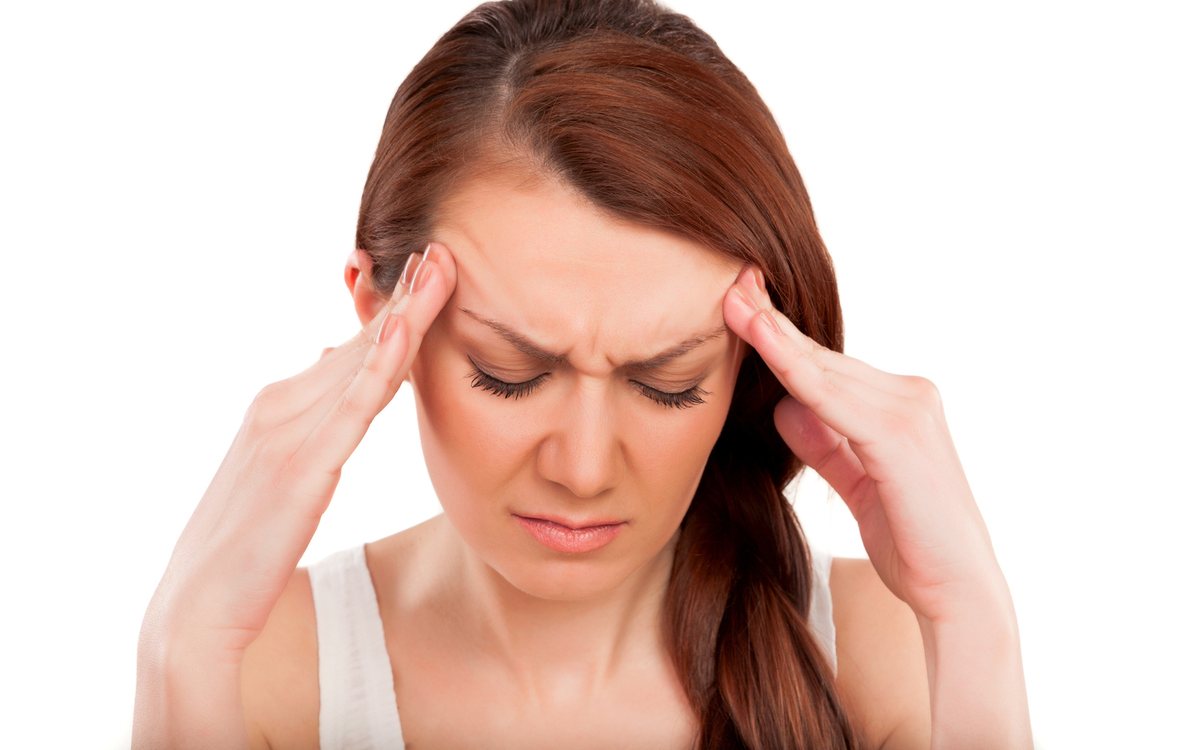
Migraine is a chronic condition characterized by recurrent episodes of intense, throbbing head pain that can disrupt daily life. It is more than a normal headache and can last from a couple of hours to a few days. The condition typically progresses through four stages, each with distinct symptoms. Prodrome, the first stage, is when the body gives several warning signals that a migraine episode is about to occur.

These warning signs are important, yet they are often mistaken for other issues. Knowing about them can prevent a migraine from progressing, reducing pain and discomfort.

Sudden changes in mood and energy

In the days or hours before a migraine episode, in the prodrome stage, some may feel angry or easily annoyed, whereas others may feel sad or restless. At times, one may feel overly happy or euphoric. Such unexplained feelings are common. Along with these mood changes, one may have shifts in energy levels. For instance, despite adequate sleep, one may experience persistent fatigue that does not resolve. These changes are caused by fluctuations in brain chemistry and function during the prodrome stage.

Visual changes

Migraine aura refers to sensory or visual disturbances that may arise before a migraine episode. At this stage of migraine, headaches are debilitating and can disrupt daily life. One might face difficulty reading or focusing on certain texts. They might also experience flashes of light or zigzags, blind spots, tingling, or numbness. These symptoms can be accompanied by cognitive challenges, such as difficulty finding the right words in conversation (aphasia) or brain fog.

Changes in sleep

About 24 to 48 hours before the migraine episode begins, one might experience sleep disturbances. Some may find it difficult to fall asleep even when they feel tired, while others may wake up at night, have vivid dreams, or sleep far longer than usual. This happens because migraine disrupts the body’s control and release of sleep-regulating hormones.

Heightened sensitivity to light and sound

During the prodrome stage, the brain’s filtering system becomes less stable, leading to heightened sensitivity to stimuli that are typically considered normal. Some may experience photophobia, characterized by discomfort or pain from exposure to light sources, such as fluorescent lights, sunlight, and computer screens. Similarly, some may experience phonophobia, in which normal sounds, such as those caused by traffic or television sets, can feel unbearably loud or painful. The heightened sensitivity is due to hyperactivity of the trigeminal nerve, which plays an important role in how the brain processes sensory information.

Digestive changes

Changes in the digestive system are among the early signs the body gives that indicate an upcoming migraine episode. Bloating or abdominal discomfort, nausea without an apparent cause, changes in bowel movements, vomiting, and constipation are among the symptoms to watch for.

Neck stiffness and muscle tension

Some experience tension in their jaw, shoulders, and neck hours before a migraine episode. It can be a result of the brain preparing for a migraine episode and not just due to poor posture. Migraine-related muscle tension and stiffness both result from a migraine attack and drive further pain. Typically, it presents as tension in the shoulder and upper back muscles, the back and sides of the neck, the muscles around the temporal region, and the jaw muscles, which can lead to clenching of the teeth.

Recognizing these early warning signs of migraine allows one to take the necessary steps to prevent it from progressing to severe pain, reduce the episode’s overall duration, and improve one’s quality of life.


Recommended

7 foods to improve joint strength in seniors

7 foods to improve joint strength in seniors

The joints weaken with age because of wear and tear of the cartilage and loss of muscle mass. That’s why seniors are often advised to exercise their joints regularly. Doing that strengthens the joints and the ligaments surrounding them, helping relieve pain and improving flexibility. However, exercise alone is not sufficient for joint strength and health. Seniors must also make a few nutritional changes, such as eating foods with joint-supportive nutrients. Sweet peppers Whether red, yellow, green, or orange, all sweet peppers are loaded with vitamin C. This vitamin boosts collagen production, which is necessary for strong, healthy bones. Collagen helps rebuild cartilage, increase bone density, and reduce stiffness. Besides supplying vitamin C, sweet peppers are known to balance gut microbiomes, thus reducing inflammation markers. This helps seniors who have rheumatoid arthritis, a common condition that causes joint inflammation. There are many ways to enjoy sweet peppers. One option is to make a mixture of beans, brown rice, vegetables, and seasoning, then stuff this mixture into sweet peppers and bake them. If this seems too complicated, seniors can simply roast or sauté the peppers with garlic and enjoy them. Broccoli Cruciferous vegetables, such as broccoli, are excellent foods for supporting joint health in seniors.
5 simple lifestyle habits for better health

5 simple lifestyle habits for better health

Individuals who want to improve their health do not need to follow complex or costly routines. Simple habits, such as eating nutritious foods, drinking enough water, exercising, and sleeping well, are enough to achieve this goal. These small lifestyle changes can lead to better health in the long run without requiring a big investment of time and money. That said, individuals must be consistent to see lasting results. Starting the day with water The body is slightly dehydrated after going all night without fluid intake. That’s why starting the day with a glass of water is a good habit. Rehydrating first thing in the morning boosts metabolism, helps the body regulate temperature, and gets basic functions “switched on” for the day. However, just drinking a glass of water in the morning is not enough. Individuals should carry a bottle of water with them wherever they go to stay hydrated throughout the day. Doing so can help prevent dehydration symptoms, such as headaches, fatigue, and mental fog. Stretching after waking up Stretching is another sustainable, healthy habit to start the day with. Morning stretches ease stiffness, increase range of motion, and help drive away sleepiness. Instead of complex stretches, individuals can perform simple ones that clear the mind and prepare the body for the day ahead.
Balding – Warning signs, causes, and management options

Balding – Warning signs, causes, and management options

Losing around 50 to 100 strands of hair daily is quite normal. However, large clumps of hair on the pillow, in the shower drain, or on the brush can be a cause for concern and lead to balding in men and women. Fortunately, knowing the warning signs, causes, and management methods can help one slow hair loss and restore their confidence. Signs of balding  There are many early signs that can be observed before bald spots become visible. Knowing about these common indicators can be helpful. Receding hairline in men The hair along the temples appears to pull back, forming an M-shape. This usually starts in the 20s or 30s as hair along the front begins to thin gradually. Crown thinning The scalp becomes more visible at the top of the head. This happens when the hair density in this area drops. Many may see visible patches when brushing their hair or in bright light. Widening of the part in women  The central line along which hair is usually parted widens over time. Along with this, the hair starts to lose its overall thickness, appearing finer over time. Diffuse thinning Hair volume starts to decrease throughout the scalp. So, when running fingers through it or styling it in ponytails, one may notice that their hair feels less full.
Hemorrhoids – Symptoms, causes, and management

Hemorrhoids – Symptoms, causes, and management

Hemorrhoids are swollen and enlarged veins that develop inside and outside of the rectum, which may cause a lot of discomfort and pain during stool passage. This condition results from several factors, including straining during bowel movements, inadequate fiber intake, chronic constipation, and prolonged sitting on the toilet. The good news is that the symptoms of hemorrhoids can improve over time by simply making small habit changes in daily life.​ Signs and symptoms Internal hemorrhoids typically do not cause any pain or obvious symptoms until they move outside the rectum. Since these develop inside the rectum, there is no way of knowing whether a person has the condition. Meanwhile, external hemorrhoids have several telltale signs that occur over time. A person can see small amounts of bright red blood during bowel movements. This is because swollen veins bleed easily, even with minimal friction. There is noticeable swelling around the outer area of the rectum, followed by a persistent uneasy feeling. A tender lump develops around the anus, causing pain and making it difficult to sit for extended periods. Stool or mucus leakage can worsen the discomfort. Sometimes, a person with the condition may experience a persistent feeling of incomplete bowel movement, resulting in frequent trips to the bathroom.