5 healthy habits for natural detox
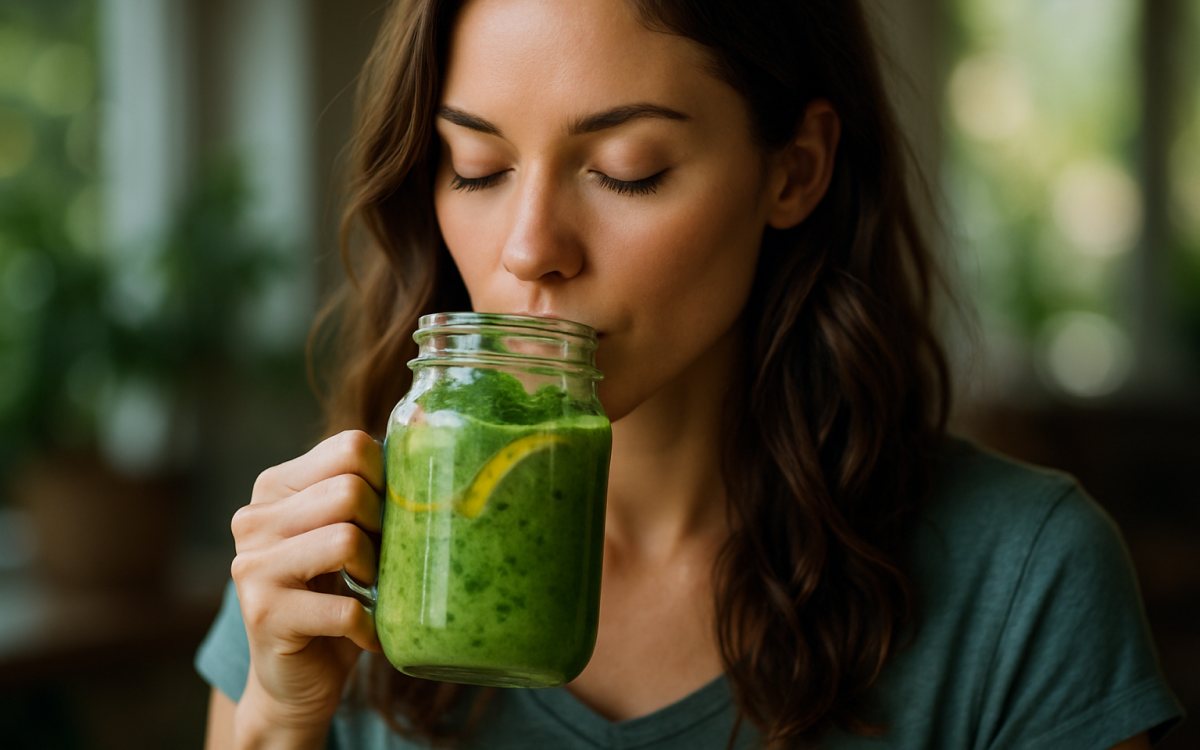
5 healthy habits for natural detox

The body has its own system to carry out natural detoxification. The liver functions as a filter by cleaning the blood and breaking down waste. At the same time, the kidneys flush out excess waste through urine. The lungs expel carbon dioxide, while the skin eliminates toxins through sweat during any physical activity. Additionally, the lymphatic system circulates fluids around the body to remove debris and waste.

By adopting healthy habits such as drinking water, eating wholesome foods, and staying active, one can support these vital systems in natural detox.

Maintain a healthy meal routine

Many vegetables contain antioxidants and sulfur that support the liver’s function in processing nutrients and waste. Broccoli is one of them. It contains sulforaphane, which activates detox enzymes in the body. Another nutritious vegetable, asparagus, has glutathione that helps in managing free radicals. Beetroots, on the other hand, contain betalains that protect liver cells, and leafy greens like kale, collard greens, and spinach contain chlorophyll that binds heavy elements and expels them from the body. Additionally, artichokes are a source of cynarin that boosts bile production for the digestion of fats. 

Along with these veggies, certain fruits also have detoxifying functions. Grapefruit, loaded with naringenin, helps improve enzyme activity. Also, nutrient-dense avocados are a rich source of healthy fats, vitamins E and K, and fiber, which support smooth digestion. 

Including these fruits and vegetables in moderation in one’s meals can help the body naturally flush out toxins. 

Stay hydrated

Drinking enough fluids during the day supports kidney filtration. The kidney’s primary function is to dilute the waste and remove it through urine, further expelling excess minerals and byproducts. With sufficient intake of fluids, proper blood volume is maintained for efficiently transporting all the waste products, toxins, and metabolic byproducts from tissues and organs.

Herbal teas like peppermint or ginger contain antioxidants that are not only good for the skin and hair but also aid the body’s natural detox process. Water-rich foods such as cucumbers, zucchini, strawberries, iceberg lettuce, watermelon, and celery also provide hydration along with electrolytes and fiber that help eliminate toxins from the body naturally.

Move everyday

Exercise causes sweating, which removes salts and minor metabolites. At the same time, the physical movement improves circulation in the lymph system to drain out fluids. Blood circulation also improves, delivering oxygen and nutrients more efficiently to all cells in the body.

Brisk walking around the block or in a park is often enough to support the body’s detox process and improve overall health. Activities like yoga, aerobic exercises, cycling, and dancing can be helpful too. Incorporating any physical activity as short daily sessions of about 20 minutes into one’s routine can help maintain good health over the long run.

Sleep on time

With a regular, healthy sleep-wake schedule, the body can repair and rejuvenate more efficiently. This is because quality sleep helps the glymphatic system in the brain to clear waste as the body focuses on tissue recovery and hormone balance. Consistent bedtime routines can be set by going to bed at the same time every day. 

Creating a calm sleeping environment can also help one enjoy quality sleep. One can consider using blackout curtains, maintaining comfortable room temperatures (around 65°F), and reducing screen time two hours before bedtime. Dimming the lights an hour before bed and engaging in relaxing nighttime activities, such as reading a light book or listening to soft music, can help one prepare the mind and body for a restful sleep.

Manage stress

Constant stress leads to higher cortisol levels in the body. This can further lead to inflammation and gradual dysfunction of the liver and kidneys. With proper stress management, it is possible to lower the cortisol levels and improve the kidneys’ and liver’s ability to naturally remove toxins from the body. Activities like meditation, yoga, and deep breathing can activate the parasympathetic nervous system (the body’s rest and digest response). This system enables the body to repair tissues, release stored toxins, and improve metabolic cleansing.


Recommended

5 simple lifestyle habits for better health

5 simple lifestyle habits for better health

Individuals who want to improve their health do not need to follow complex or costly routines. Simple habits, such as eating nutritious foods, drinking enough water, exercising, and sleeping well, are enough to achieve this goal. These small lifestyle changes can lead to better health in the long run without requiring a big investment of time and money. That said, individuals must be consistent to see lasting results. Starting the day with water The body is slightly dehydrated after going all night without fluid intake. That’s why starting the day with a glass of water is a good habit. Rehydrating first thing in the morning boosts metabolism, helps the body regulate temperature, and gets basic functions “switched on” for the day. However, just drinking a glass of water in the morning is not enough. Individuals should carry a bottle of water with them wherever they go to stay hydrated throughout the day. Doing so can help prevent dehydration symptoms, such as headaches, fatigue, and mental fog. Stretching after waking up Stretching is another sustainable, healthy habit to start the day with. Morning stretches ease stiffness, increase range of motion, and help drive away sleepiness. Instead of complex stretches, individuals can perform simple ones that clear the mind and prepare the body for the day ahead.
Balding – Warning signs, causes, and management options

Balding – Warning signs, causes, and management options

Losing around 50 to 100 strands of hair daily is quite normal. However, large clumps of hair on the pillow, in the shower drain, or on the brush can be a cause for concern and lead to balding in men and women. Fortunately, knowing the warning signs, causes, and management methods can help one slow hair loss and restore their confidence. Signs of balding  There are many early signs that can be observed before bald spots become visible. Knowing about these common indicators can be helpful. Receding hairline in men The hair along the temples appears to pull back, forming an M-shape. This usually starts in the 20s or 30s as hair along the front begins to thin gradually. Crown thinning The scalp becomes more visible at the top of the head. This happens when the hair density in this area drops. Many may see visible patches when brushing their hair or in bright light. Widening of the part in women  The central line along which hair is usually parted widens over time. Along with this, the hair starts to lose its overall thickness, appearing finer over time. Diffuse thinning Hair volume starts to decrease throughout the scalp. So, when running fingers through it or styling it in ponytails, one may notice that their hair feels less full.
Hemorrhoids – Symptoms, causes, and management

Hemorrhoids – Symptoms, causes, and management

Hemorrhoids are swollen and enlarged veins that develop inside and outside of the rectum, which may cause a lot of discomfort and pain during stool passage. This condition results from several factors, including straining during bowel movements, inadequate fiber intake, chronic constipation, and prolonged sitting on the toilet. The good news is that the symptoms of hemorrhoids can improve over time by simply making small habit changes in daily life.​ Signs and symptoms Internal hemorrhoids typically do not cause any pain or obvious symptoms until they move outside the rectum. Since these develop inside the rectum, there is no way of knowing whether a person has the condition. Meanwhile, external hemorrhoids have several telltale signs that occur over time. A person can see small amounts of bright red blood during bowel movements. This is because swollen veins bleed easily, even with minimal friction. There is noticeable swelling around the outer area of the rectum, followed by a persistent uneasy feeling. A tender lump develops around the anus, causing pain and making it difficult to sit for extended periods. Stool or mucus leakage can worsen the discomfort. Sometimes, a person with the condition may experience a persistent feeling of incomplete bowel movement, resulting in frequent trips to the bathroom.
Causes and management options of hand tremors

Causes and management options of hand tremors

Hand tremors or shaky hands are a symptom of a neurological disorder called essential tremor (ET), characterized by involuntary, rhythmic shaking, most commonly affecting the hands. These tremors gradually worsen, making daily tasks challenging. The onset of essential tremor can happen at any age, but it’s most commonly seen in individuals aged 40 and older. The best approach to managing the condition is to determine a suitable management plan through expert consultation. Causes Hand tremors are a symptom caused by various health conditions, including essential tremor. Other possible reasons for hand tremors include emotional stress, exposure to extreme temperatures, fatigue, and an excessive intake of stimulants like caffeinated drinks. Enhanced physiologic tremor This is one of the most commonly observed postural tremors (i.e., tremors that occur when a position is maintained against gravity). Enhanced physiologic tremor (EPT) usually affects the hands and fingers on both sides of the body. A few factors, such as chronic stress, lack of sleep, excessive caffeine intake, and vigorous exercise, can worsen EPT in some individuals. Anxiety and fatigue may also lead to shaky hands. Neurological conditions Sometimes, tremors, including shaky hands, are caused when deep parts of the brain that control movement don’t work as they should.