5 common sleep disorders and factors that affect sleep quality
5 common sleep disorders and factors that affect sleep quality

Doctors recommend a decent 8 hours of sleep every night for adults because sleep is essential for both physical and mental health. From managing hormone levels and relieving fatigue to affecting mood, a decent sleep cycle helps regulate various body processes. While there’s nothing one would love more than a good night’s sleep after a tiring day, sleep disorders often disrupt sleep cycles and reduce the quality of sleep.

Here are some common sleep disorders and their symptoms that you should know about:

  • Sleep apnea
    Characterized by repeated interrupted breathing, sleep apnea is a serious disorder. People with this condition experience repeated episodes of breathing difficulties while they’re asleep and often wake up gasping for air. There are two types of sleep apnea: obstructive and central.
  • Restless Leg Syndrome (RLS)
    RLS is a sleep disorder that leads to an irresistible urge to move one’s legs. This condition is so uncomfortable that people find it difficult to sleep and pace around at night, hoping to achieve some relief.
  • Insomnia
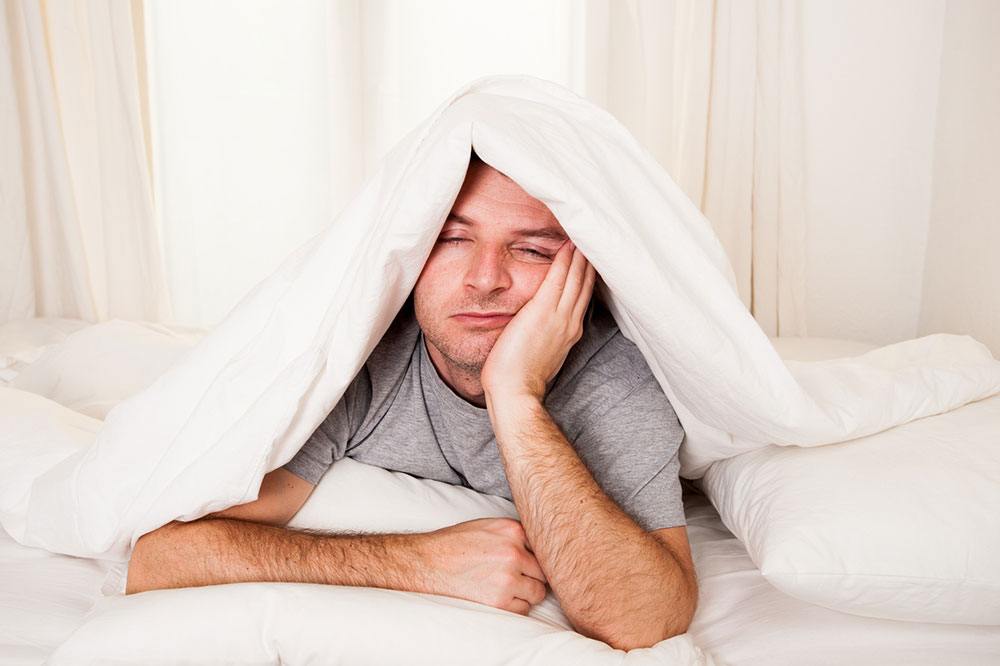
    Insomnia is a common condition that makes it difficult for an individual to fall or stay asleep. While many adults suffer from insomnia, only a few experience chronic insomnia.
  • Narcolepsy
    This is a neurological disorder that affects sleep control and causes uncontrollable episodes of sleepiness during the day. This condition usually goes unnoticed, but it can also cause sleep paralysis.
  • REM sleep behavior disorder
    The paralysis that usually accompanies REM sleep is missing or incomplete in people with REM sleep behavior disorder. This causes them to act out their dreams, including talking, yelling, kicking, and screaming.

Causes of sleep disorders
Sleep disorders can be caused by scores of factors. Some are caused by an underlying physical health condition, while others may be triggered by poor mental health. Irrespective, here are a few common factors that affect the quality of sleep:

  • Pain
    Chronic pain can make it very difficult to fall asleep. Arthritis, headaches, bowel issues, back pain, and fibromyalgia can lead to chronic pain and poor sleep cycles. The pain due to these conditions can even cause a person to wake up from deep sleep.
  • Anxiety
    Anxiety tends to impact lots of things, including sleep patterns, negatively. Overthinking can result in difficulty falling or staying asleep, and it can also lead to nightmares and night terrors.
  • Nocturia
    Nocturia is when a person wakes up multiple times at night to urinate, leading to a disturbed sleep cycle. It can be caused by a hormonal imbalance or a Urinary Tract Infection (UTI).
  • Respiratory conditions
    Having a cold or an upper respiratory infection can cause trouble sleeping. Difficulty breathing can lead to snoring or other disturbances that can affect the sleep cycle and lead to sleep disorders like acute insomnia, affecting concentration levels and mood the next day.


Recommended

Learn about these 3 types of hearing loss

Learn about these 3 types of hearing loss

Hearing loss, deafness, or impairment is the partial or total inability to hear sounds. People with low to moderate hearing impairment face challenges in understanding what the other person is saying in a noisy environment. Whereas, people with severe deafness cannot hear anything, and rely completely on lip-reading and sign language skills. There are three main types of hearing loss: sensorineural, conductive, and a combination of both. Let’s understand these types in detail and learn about the causes, symptoms, and treatments of each type. Sensorineural hearing loss It’s the most common type of hearing loss. Sensorineural is permanent hearing loss often caused by damage to the tiny hair cells that line the inner ear or the auditory nerve. The damage stops or weakens the transfers of nerve signals to the brain. These signals are essentially the intensity and clarity of sounds. Causes: Aging and exposure to loud noises for a long period of time are the most common cause of the damage. Certain medications and illnesses can also increase risks. It can even be genetic, and pass on to the child in the mother’s womb. Treatment: There is no medical or surgical treatment available to repair the tiny hair cells once they’re damaged.
Simple lifestyle changes that reduce the risk of heart diseases

Simple lifestyle changes that reduce the risk of heart diseases

The heart is the most crucial organ in the body and as the system will cease to function if the heart stops or loses momentum pumping fresh oxygenated blood. This is why it is vital to not neglect your heart health at all and responsibly maintain a healthy, stress-free, and more importantly, a happy lifestyle. Here are a few simple lifestyle changes that will help support a healthy heart function. Switch to a healthy diet Avoid eating foods that are rich in trans and saturated fats. Most foods you find on the shelves of the supermarket contain large quantities of one or the other. Instead, switch to low-fat high fiber alternatives to help manage cholesterol. Maintaining a healthy cholesterol level in the body automatically reduces the risk of heart diseases. The simple reason for this is that fats that normally block major arteries and blood vessels are eliminated from these foods choices. It is also advisable to limit the salt (sodium) intake to control blood pressure and sugar to reduce the risk of diabetes simultaneously. Change certain lifestyle habits Reduce the number of alcoholic or carbonated drinks you have regularly. For men, it is advisable to have not more than two drinks and day and women must have only one.
How to distinguish between heartburn and GERD

How to distinguish between heartburn and GERD

Heartburn is an unpleasant, burning sensation in the chest that is more common than a lot of individuals realize. Pregnant women, older men, and even young adults experience it frequently. Despite it being such a prevalent experience, not many know that heartburn has actually nothing to do with the heart and everything to do with the stomach and the esophagus. Unsurprisingly enough, heartburn is also used interchangeably with GERD. But, before we get to deciphering heartburn and GERD, let’s understand what acid reflux is. What is acid reflux or GER? Acid reflux occurs when the lower esophageal sphincter or LES becomes weak, allowing the contents of the stomach to travel in the wrong direction, back up the esophagus. Acid reflux is also called GER or gastroesophageal reflux as it involves the stomach and esophagus. This condition can usually be resolved with over-the-counter medication. What is heartburn? Heartburn is a burning or painful sensation that is experienced in the chest. Since the lining of the esophagus is not as strong as the lining of the stomach, the acid from the stomach can cause a burning sensation in the chest. This pain or burning sensation that is heartburn can often be misconstrued for a heart attack.
5 common joint conditions and how to treat them

5 common joint conditions and how to treat them

A joint or articulation is made from two bones that aid the body in movement. There are many forms of joint conditions, which, in many cases, arise from the wear and tear of bones. Arthritis is one of the major and most common health conditions in the country, and its intensity increases with age. Here are some common types of joint conditions that you need to know: Osteoarthritis With almost 10 percent of men and 13 percent of women aged over 60 suffering from osteoarthritis, it is one of the most prevalent joint conditions in the country. Osteoarthritis occurs due to the wear and tear of the cartilages that protect the ends of bones. It commonly affects joints of the spine, hands, hips, and knees. If left untreated, this wear and tear of the cartilage soon leads to bone degeneration, thereby affecting flexibility and range of movement. Treatment for osteoarthritis depends on its severity and the patient’s age. Mild symptoms can be treated through medications, physiotherapy, and changes in lifestyle, whereas moderate to severe cases may require surgical intervention. Spondyloarthritis Spondyloarthritis, also referred to as spondyloarthropathy, is a type of rheumatic disease that causes inflammation in various joints. There are two types of spondyloarthritis—axial spondyloarthritis, which causes inflammation of the joints in the chest, spine, and hip bone, and peripheral spondyloarthritis, which causes inflammation in the fingers, knees, and toes.